
Beset by financial troubles, the boards of Pittsburgh Public Theater and the Pittsburgh CLO are set to vote this month on whether to consolidate as a brand-new organization.
The new entity, as yet unnamed, would produce both the new and classic musicals CLO now stages and the new and classic plays currently mounted by the Public.
The groups are the city’s two largest nonprofit theater companies. The proposed plan was announced Monday in an emailed message signed by Pittsburgh Public board chair Krysia M. Kubiak and CLO chair Joseph V. DeVito, Jr.
Kubiak and DeVito emphasized that the plan is “not a merger,” but rather the creation of “a true destination theater experience” Downtown, one “that blends the strengths of both organizations” to offer “theater for everyone — both long-time patrons as well as new audiences, with shows to interest all ages and outlooks.”
Approval of the proposal would launch “a formal integration process, including naming a transition team; forming a new operating entity and organizational structure; establishing an interim board, leadership team, and name; and finalizing the artistic/programming vision.”
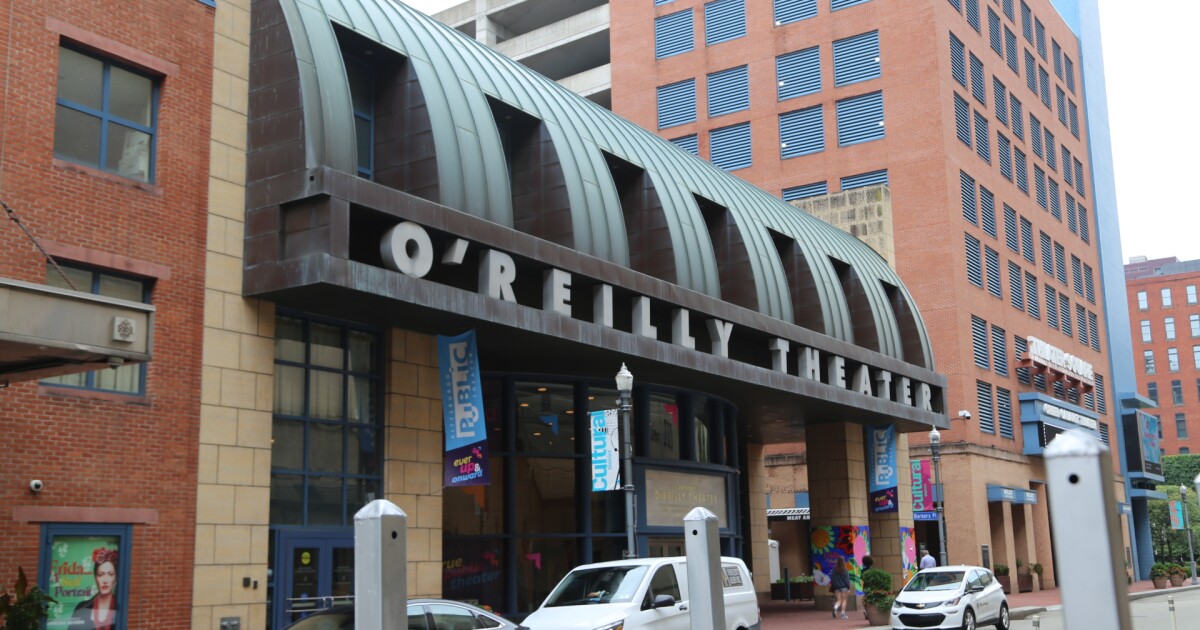
The Public has long staged all its shows in the O’Reilly Theater, while the CLO presents some shows in the Greer Cabaret Theater and others in the Byham Theater. The statement said that the consolidated group would choose “theaters that best fit each show, both creatively and financially.”
The statement added, “Our plans also would include expanding educational programs, beginning with the integration of CLO Academy’s star-making power with the Public Theater’s Shakespearean traditions to give young artists more ways to master their craft and shine onstage.” (The Public organizes a long-running Shakespeare Monologue & Scene contest for actors in grades 4 to 12.)
The groups declined to comment further on the plan.
In all, the loss of two of its longest-running large troupes as distinct entities would be a notable rupture in Pittsburgh theater history. The CLO has operated continuously since 1946, the Public since 1975.
The consolidation proposal has its roots more than a year ago, when the Public and the CLO, along with City Theatre, began discussing ways they might share resources to ensure their survival in a challenging environment for live performance.
Here as across the nation, the nonprofit theater world’s long-standing model of enlisting full-season subscribers seemed to be losing steam. Among other trends accelerated by the pandemic, attendance was down and production costs kept rising.
A number of long-running companies in major cities have gone dark. Facing budget deficits, both the CLO and the Public reduced their offerings this season.
In January, City Theatre’s board opted out of a possible merger, while the Public and the CLO agreed to continue talks.
The groups have not announced a date for the boards to vote on the consolidation. But if the consolidation is approved, according to a spokesperson for the groups, “The technical aspects of how that will take shape will be determined as part of a formal transition process.”