

A recent redesign of Pennsylvania’s license plates has triggered an unexpected problem for automated toll cameras across the state.
Drivers using the Pennsylvania Turnpike and other toll roads are reporting misread license plates that are generating inaccurate toll invoices, raising concerns about the interplay between plate design and automated traffic systems.
A Slashed Zero Intended to Help—But Cameras See an Eight
The new plates were introduced as part of Pennsylvania’s 250th anniversary celebration. They feature the slogan “Let Freedom Ring” and incorporate a Liberty Bell graphic.
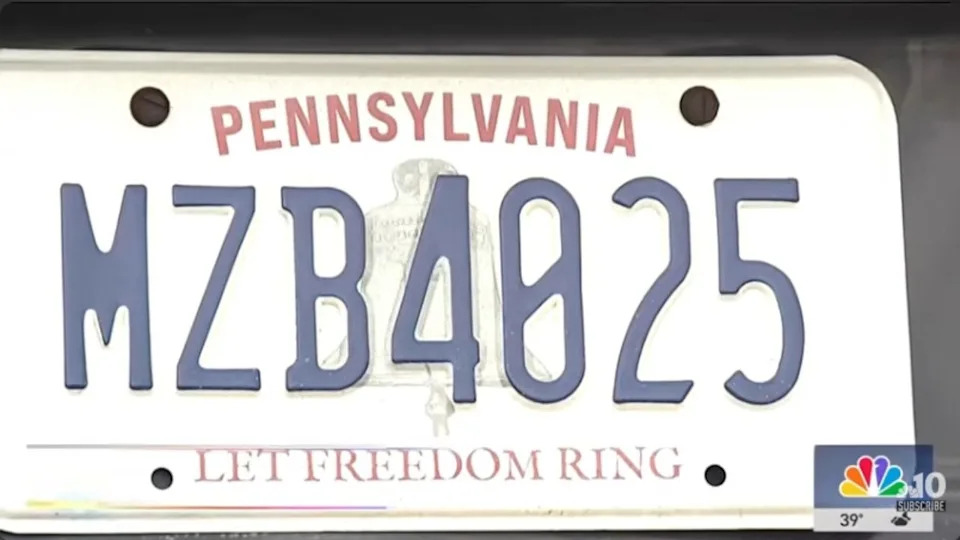
Image Credit: NBC10 Philadelphia/YouTube.
In an effort to improve legibility and avoid confusion between letters and numbers, the design includes a diagonal slash through the number zero. This stylistic adjustment was intended to help drivers and law enforcement distinguish the digit from the letter O, a problem that had caused misreads on older plates.
However, the design change has unintentionally created a new set of issues. Automated license plate recognition systems used by toll cameras are sometimes misinterpreting the slashed zero as the number eight.
This misreading is resulting in toll bills being sent to the wrong vehicle owners. Drivers have reported receiving invoices for tolls they did not incur, often corresponding to plates that legitimately contain the number eight.
The Pennsylvania Turnpike, which relies heavily on camera-based tolling for drivers without E-ZPass transponders, has been the epicenter of these complaints.
In some cases, the misread plates have triggered multiple incorrect charges, creating frustration for motorists who must now navigate the dispute process to correct billing errors.
What Went Wrong: A Design Feature Meets Legacy Software
State officials have acknowledged the problem but maintain that the plate design meets all visibility and production standards.
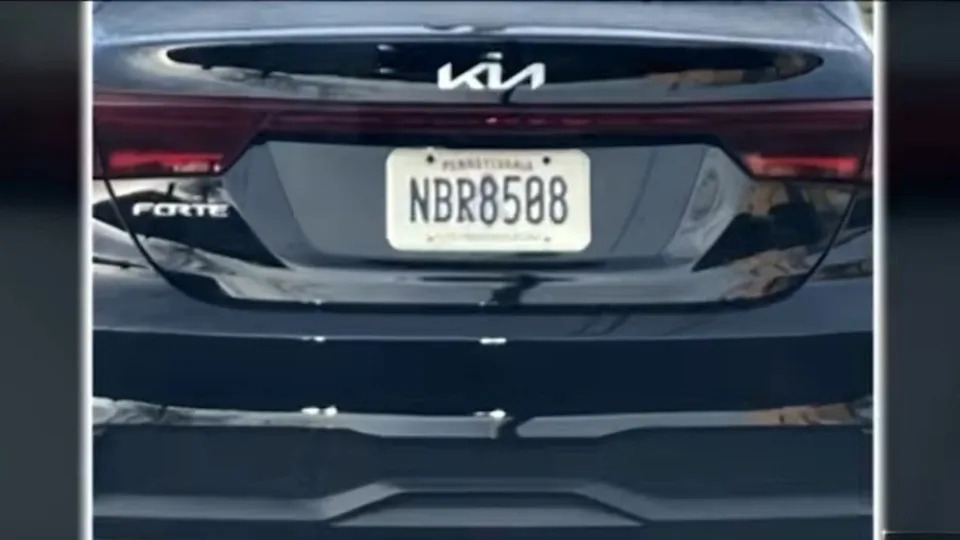
Image Credit: NBC10 Philadelphia/YouTube.
The Pennsylvania Department of Transportation, which collaborated with the state police and toll authorities on the redesign, emphasized that the plates were created with careful consideration for readability and security.
Despite these assurances, the technical challenge remains because existing camera software was not fully calibrated to interpret the slashed zero, leading to ongoing misreads.
To address the problem, PennDOT and toll authorities are working to recalibrate and update automated recognition systems. This effort involves retraining the cameras to correctly interpret the new design while continuing to enforce accurate toll collection.
Officials have stressed that the issue is not widespread fraud or system failure, but rather a technical mismatch between new design elements and legacy recognition software.
Toll-by-plate customers are advised to carefully review their invoices and report any charges that do not match their travel. The Pennsylvania Turnpike customer service system is handling disputes and reportedly working to ensure that all inaccurate tolls are corrected promptly.
In addition, drivers who notice repeated errors are encouraged to contact toll authorities to ensure their information is properly updated and recorded.
A Cautionary Tale for the Age of Automated Enforcement
What’s happening in Pennsylvania spotlights the delicate balance between aesthetic design, readability, and automated enforcement technology.
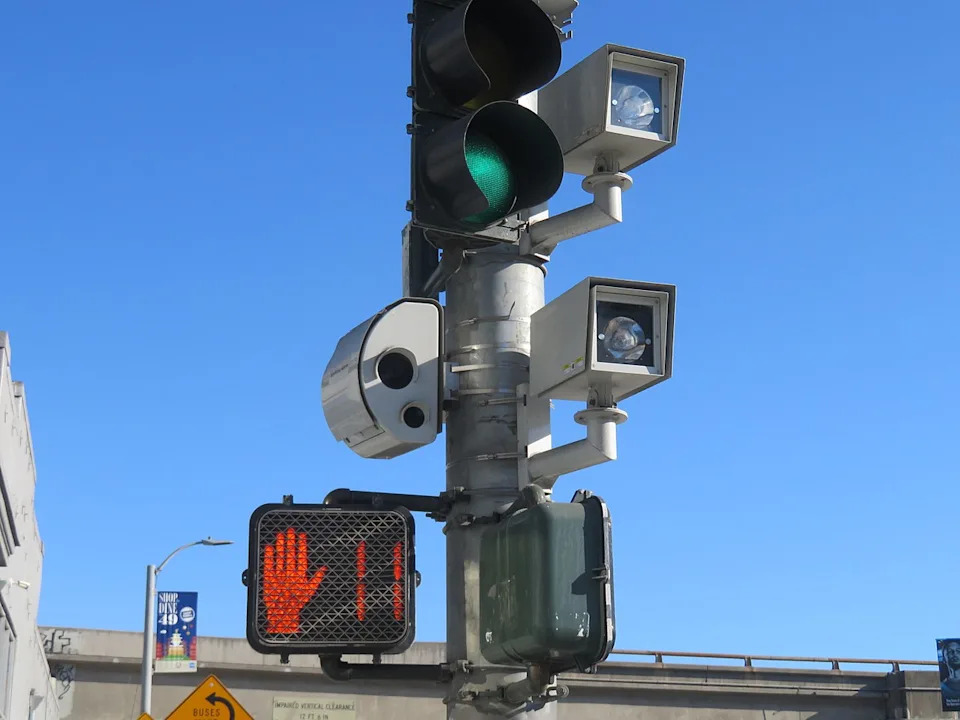
Image Credit: Pi.1415926535 – Own work, CC BY-SA 4.0, Wikimedia.
While the new plates celebrate Pennsylvania’s historic milestone and enhance human legibility, they also illustrate how small visual changes can have large-scale operational impacts. Toll cameras and license plate recognition systems must now adapt to these changes to maintain accuracy and fairness.
Other jurisdictions considering design changes can learn from this experience. Officials and technology providers are also reminded that the interaction between physical design and automated systems requires rigorous testing and validation to prevent unintended consequences for drivers.
In the meantime, the redesigned plates remain in circulation, as the state works to ensure drivers are not unfairly penalized while the technical adjustments are implemented.
Pennsylvania motorists are advised to remain attentive to their toll statements and to engage with customer service if they notice discrepancies.
Ultimately, the combination of historic design updates and modern automation has created an unusual but manageable challenge, one that underscores the importance of adaptability in both technology and policy.
Sources: Philadelphia Today
Read More