
Have a question about Philly’s neighborhoods or the systems that shape them? PlanPhilly reporters want to hear from you! Ask us a question or send us a story idea you think we should cover.
Mayor Cherelle Parker’s latest budget proposal includes millions aimed at mitigating Philadelphia’s affordable housing crisis.
The investments include $7.5 million to create a proactive rental inspections program, $10 million to support modular home factories, and an additional $15 million for the Philadelphia Land Bank.
If approved, the new dollars would bolster Parker’s signature housing plan, one of her top priorities since she took office. The multifaceted effort, dubbed the Housing Opportunities Made Easy initiative, is rooted in preserving and creating 30,000 units.
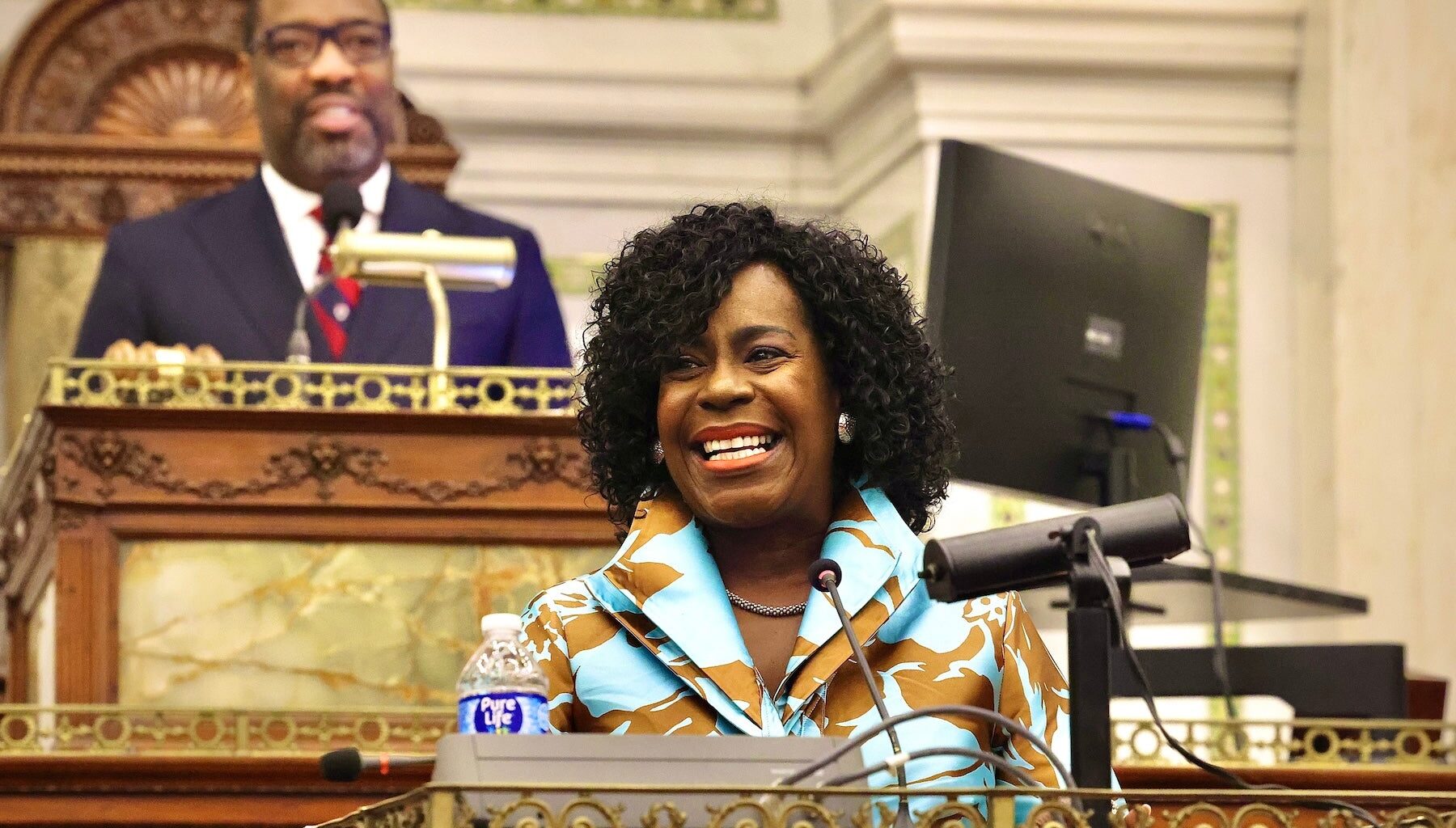
“We see housing as a gateway to economic mobility — and I know City Council does too,” Parker said during her budget address Thursday.
Her speech came less than a week after lawmakers advanced legislation authorizing the city to launch a program to inspect rental units on a “regular basis” — not just when a formal complaint has been filed with the city’s Department of Licenses and Inspections. The current system makes Philadelphia an outlier among big U.S. cities.
Fair housing advocates say that’s problematic, because many tenants fear they’ll be evicted if they speak up about dangerous living conditions. They argue a proactive inspections program would help reduce that kind of retaliation.
The push is part of a broader legislative effort aimed at strengthening renter protections and empowering tenants to hold negligent landlords accountable.
“We look forward to working with L&I, City Council, and the administration to support the roll out of proactive inspections, so that families like mine will no longer have to worry about our children getting sick in unsafe homes,” said Theresa Howell, a Frankford renter and member of OnePA Renters United Philadelphia.
Department officials have said the agency was in the process of crafting a pilot program with help from researchers at Pew Charitable Trusts. A spokesperson said there are “no additional details to share” about the effort.