
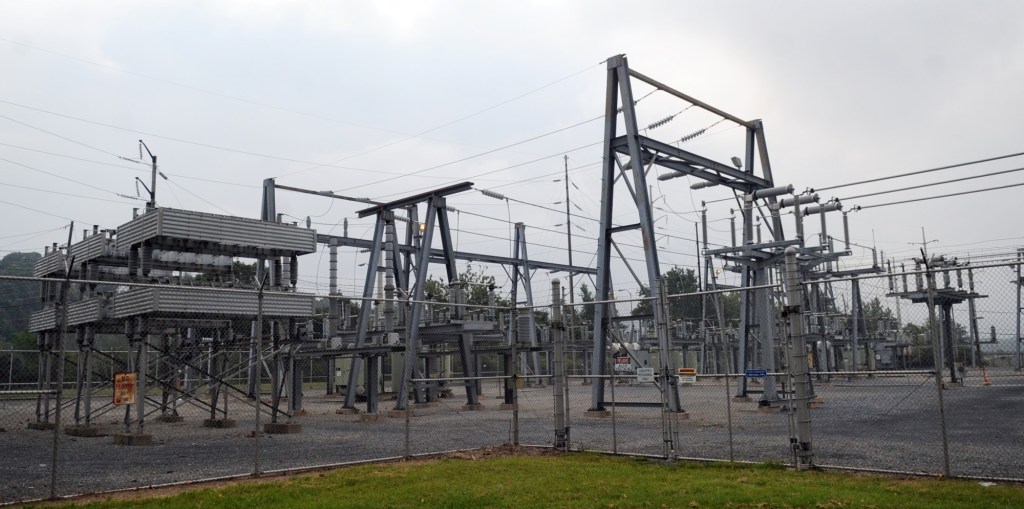
PPL Electric Utilities said Friday that it has submitted a petition for settlement with the Pennsylvania Public Utilities Commission, requesting a smaller increase in its base distribution rates than originally proposed.
The settlement provides for an increase in the annual base distribution revenues of $275 million to strengthen system reliability, improve customer service and affordability and support vital investments for future growth, PPL said. It’s slightly less than the $356.3 million increase that the utility requested last fall.
“This proposed adjustment aims to support ongoing investments in a safe, reliable and resilient electric system, while maintaining a strong commitment to customer affordability and service,” Allentown-based PPL said in a statement. “If approved, this would mark the company’s first base distribution rate increase since 2016.”
If approved by the PUC, the settlement agreement would result in the following customer bill increases, based on estimated total bills using rates effective Jan. 1, 2026:
• Residential customers using 1,000 kilowatt-hours per month could see their total bill increase by about $7.42.
• Commercial customers using 1,000 kWh and 3 KW per month could see their total bill increase by $4.64 per month.
• Industrial customers using 150,000 kWh and 500 KW per month could see their total bill increase by about $382.63.
As part of the settlement, PPL said it will not increase distribution base rates for two years from the effective date of the new rates. If approved, new distribution base rates would go into effect July 1.
In September, PPL requested an annual base rate increase of $356.3 million per year that would increase total annual revenue by 8.6%. Under those rates, customers who use 1,000 kilowatt-hours of electricity would’ve seen their bill increase from roughly $13, from $191.49 to $204.86, or about 7%.
During public hearings from the PUC, customers said they would have a hard time affording higher rates, as electric supply costs have continued to rise.
PPL serves about 1.5 million customers in 29 counties, including Berks, Chester, Lackawanna, Lehigh, Luzerne, Montgomery, Northampton and Schuylkill.