
Two hundred years after it reshaped the American economy, the Erie Canal is still drawing crowds — and this month, it’s drawing them to a college campus in the Finger Lakes region of New York.
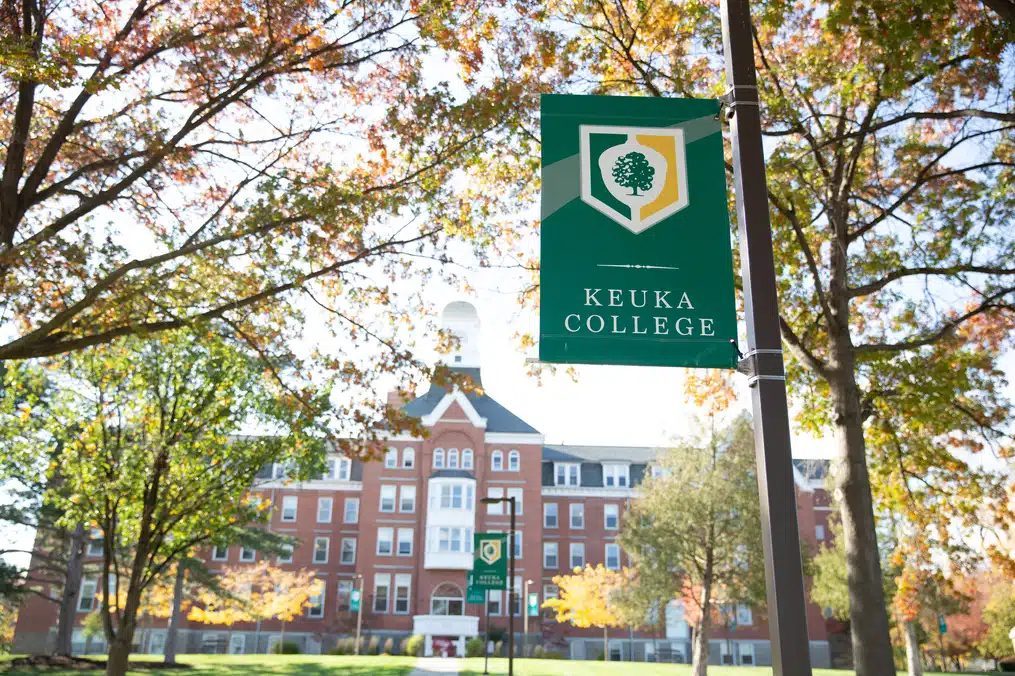
Keuka College has announced a free public presentation on the history and lasting impact of the Erie Canal, scheduled for March 25 at 4 p.m. in Norton Chapel on the Keuka College campus. The event is open to anyone who wants to attend, no registration required.
The speaker is Tammee Poinan Grimes, a tour boat captain with deep roots in New York’s canal culture. For anyone curious about how a 200-year-old waterway still shapes the communities along its banks — including those in Yates County and the Finger Lakes — this is a rare chance to hear from someone who quite literally works on the water every day.
Why the Erie Canal Still Matters to the Finger Lakes
The Erie Canal opened on October 26, 1825 — and the ripple effects of that moment are still visible across New York State nearly two centuries later. When it opened, the canal connected Atlantic shipping routes with the Great Lakes and the Midwest, fundamentally changing how goods and people moved across the country.
Before the canal, crossing New York’s interior was slow, expensive, and difficult. After it opened, trade exploded, towns grew rapidly, and New York City solidified its position as the nation’s dominant commercial hub. The economic transformation wasn’t just regional — it helped define the early shape of American commerce itself.
For the Finger Lakes specifically, the canal’s influence extended through waterways like the Keuka Outlet, which connected Keuka Lake to the broader canal network. Grimes is expected to address this local connection directly, discussing the canal’s influence on the Keuka Outlet and the surrounding communities that grew up around it.
Who Is Speaking — and Why Her Perspective Is Worth Hearing
Tammee Poinan Grimes isn’t a historian presenting from a library archive. She’s a working captain — the captain and director of the Colonial Belle tour boat, based in Monroe County, New York. She also holds active roles in several canal-related organizations, though the specific names of those organizations were not detailed in the announcement.
That combination of hands-on experience and organizational involvement gives her a perspective that bridges living history with practical knowledge of how the canal system operates today. The Erie Canal didn’t just become a museum piece after the railroads arrived — it remains a functioning part of New York’s waterway infrastructure, and people like Grimes keep that history alive and moving.
Her presentation at Norton Chapel is expected to cover the canal’s broader history as well as its specific influence on the local landscape, making it relevant both to general history enthusiasts and to residents who live near the waterways she’ll be discussing.
Key Details About the Keuka College Erie Canal Presentation
Detail
Information
Date
March 25
Time
4:00 p.m.
Location
Norton Chapel, Keuka College campus
Speaker
Tammee Poinan Grimes
Speaker’s Role
Captain and Director, Colonial Belle tour boat (Monroe County)
Cost
Free and open to the public
Erie Canal Opening Date
October 26, 1825
No registration appears to be required based on the announcement
The event is part of a broader educational engagement at Keuka College
Grimes will also hold a separate classroom session with students in the college’s Honors Program
The Honors Program session focuses on the Erie Canal’s role in New York’s development
More Than a Public Talk — It’s Part of a Larger Educational Effort
The public presentation at Norton Chapel is only one piece of Grimes’s visit to campus. She will also meet with students enrolled in Keuka College’s Honors Program during a separate classroom session specifically designed around their coursework.
Those students have been studying the Erie Canal and its role in shaping New York’s development — and Grimes’s visit gives them direct access to someone with real, working knowledge of the canal system. That kind of experiential learning, connecting academic study to a practitioner actively involved in the subject, is the sort of opportunity that tends to stick with students long after the semester ends.
The dual format — a public evening talk plus a focused classroom session — reflects a genuine effort to make the event meaningful both to the broader community and to the students whose curriculum it supports.
What to Expect If You Go
The presentation is free, open to the public, and takes place in Norton Chapel on the Keuka College campus in Penn Yan, New York. If you have any interest in regional history, the development of American trade routes, or the specific history of waterways in the Finger Lakes area, this is a straightforward opportunity to spend an afternoon learning from someone with genuine expertise.
Grimes is expected to discuss both the sweeping national story of the Erie Canal — how it helped connect a young country’s economy — and the more local story of how it shaped the communities and waterways that Finger Lakes residents live alongside today.
There’s no cost, no barrier to entry, and the subject matter has real roots in the landscape just outside the door.
Frequently Asked Questions
When and where is the Erie Canal presentation at Keuka College?
The presentation takes place on March 25 at 4 p.m. in Norton Chapel on the Keuka College campus.
Who is giving the presentation?
Tammee Poinan Grimes, captain and director of the Colonial Belle tour boat based in Monroe County, New York, will deliver the talk.
Is the event free?
Yes — the presentation is free and open to the public.
What topics will the presentation cover?
Grimes is expected to discuss the Erie Canal’s history, its influence on the Keuka Outlet, and its impact on surrounding communities.
When did the Erie Canal open?
The Erie Canal officially opened on October 26, 1825, connecting Atlantic shipping routes with the Great Lakes and the Midwest.
Will students also have access to the speaker?
Yes — in addition to the public presentation, Grimes will meet separately with students in Keuka College’s Honors Program as part of their study of the Erie Canal and New York’s development.