
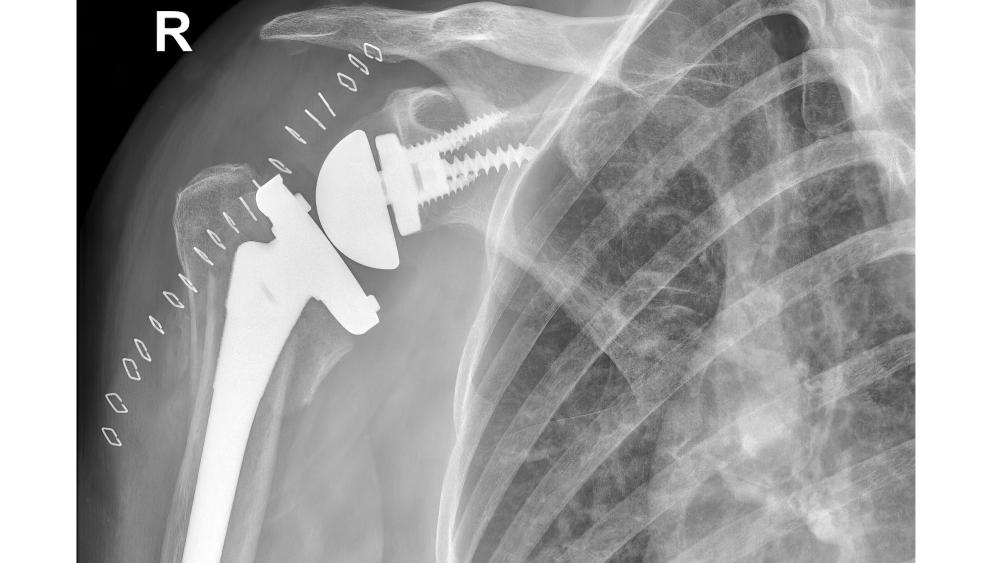
The researchers identified other risk factors for readmission as well. Patients admitted for urgent shoulder surgery — rather than a scheduled procedure — were 65% more likely to be readmitted within 30 days. Those who received a reverse shoulder replacement — where the socket is affixed to the humerus, and the ball is on the shoulder joint — were 36% more likely to be readmitted. Patients who had one or two other significant medical conditions — like heart disease or diabetes — were 52% more likely to be readmitted, while those with three or more such conditions were 148% more likely to need to return to the hospital.
These results may be interrelated, according to April Armstrong, C. McCollister Evarts Professor and Chair in the Department of Orthopaedics and Therapy Services at Penn State College of Medicine and co-author of the study. For example, sicker people — those with multiple other conditions — often have more complications in recovery. Additionally, reverse shoulder replacements are often performed on patients with a fractured humerus, which means those surgeries are often more urgent.
While the risk of readmission after shoulder surgery is driven by factors beyond the control of patients and hospitals, the researchers said the factors identified in this study point to ways to improve patient outcomes and reduce readmissions.
“A multidisciplinary approach to discharge planning and care for these patients is extremely important,” Armstrong said. “By understanding the challenges leading to readmission, we can better educate caregivers, patients and families. We can also set clear expectations for managing medications, scheduling postoperative follow-up care and addressing factors like an individual’s access to care.”
In addition to more robust discharge planning, the researchers suggested that health care systems could provide additional training for home health workers and staff at skilled nursing facilities. When surgical readmission rates for Medicare patients are too high, hospitals can be penalized and receive reduced payments for those surgeries, so facilities have a financial incentive to provide trainings that would reduce readmissions, the researchers said.
“If you could supplement patient visits with observations of the surgical wound site and check for signs of infections or bleeding, patients may be able to get the treatment they need without readmission,” Hollenbeak said. “Each readmission is very expensive, so training would be financially worthwhile. More importantly, it’s a better outcome for patients.”
Brian Johnson, a Schreyer Scholar who earned a bachelor’s degree in business from Penn State in 2025, contributed substantially to this research. Johnson, first author of the paper, initiated the study because he was interested in becoming a physician, Hollenbeak said. Today, Johnson is a student at the Penn State College of Medicine.