
In the biggest shakeup on the local theater scene in decades, Pittsburgh’s two largest theater companies have voted to merge into a single group.
Pittsburgh Public Theater, founded in 1975, and Pittsburgh CLO, founded in 1946, will cease to exist under the plan approved by their boards of directors. The result, according to an emailed statement the groups released Wednesday, will be “a new, unified organization designed to ensure a bold and artistically ambitious future for professionally produced live theater and arts education in the region.”
The merger is the result of more than year of research and discussion by the groups to ensure their survival in the face of financial woes. (The talks initially included City Theatre, which elected in January to go its own way.)
The new, as yet unnamed troupe plans to announce its inaugural programming this fall and debut in January. For now, the two groups will continue their planned seasons.
“This highly collaborative effort has been guided by an unwavering belief in the opportunity we have to shape our destinies together,” said Public Theater board chair Krysia Kubiak said in a statement. “With this historic opportunity, we have landed exactly where we are meant to be.”
“This is a once-in-a-generation chance to embark on an exceptional journey together that leads to spectacular possibilities that might have otherwise been impossible,” CLO board chair Joseph V. DiVito Jr. said in the statement.
In transition
The transition team will be led by Carnegie Mellon University professor Brett Ashley Crawford, chair of the school’s master of arts and entertainment management program.
“Theater, at its core, is about people — and people will continue to be central to our process and decision-making as we embark on this exciting transition,” Crawford said in the statement.
The groups were not offering follow-up interviews with their leadership. But according to an email the Public sent to its supporters, the transition will include establishing the legal operating structure for the new group; developing a shared artistic vision and approach to expanding arts education opportunities; crafting the leadership and organizational structure; “developing a real estate and venue strategy to support a range of contemporary productions and large-scale musicals across downtown venues”; and choosing a creative agency to name and brand the group.
A statement from the groups earlier this month indicated that “shared artistic vision” would encompass the kind of shows the groups now stage separately, including the new and classic plays the Public stages and the new and classic musicals the CLO mounts.
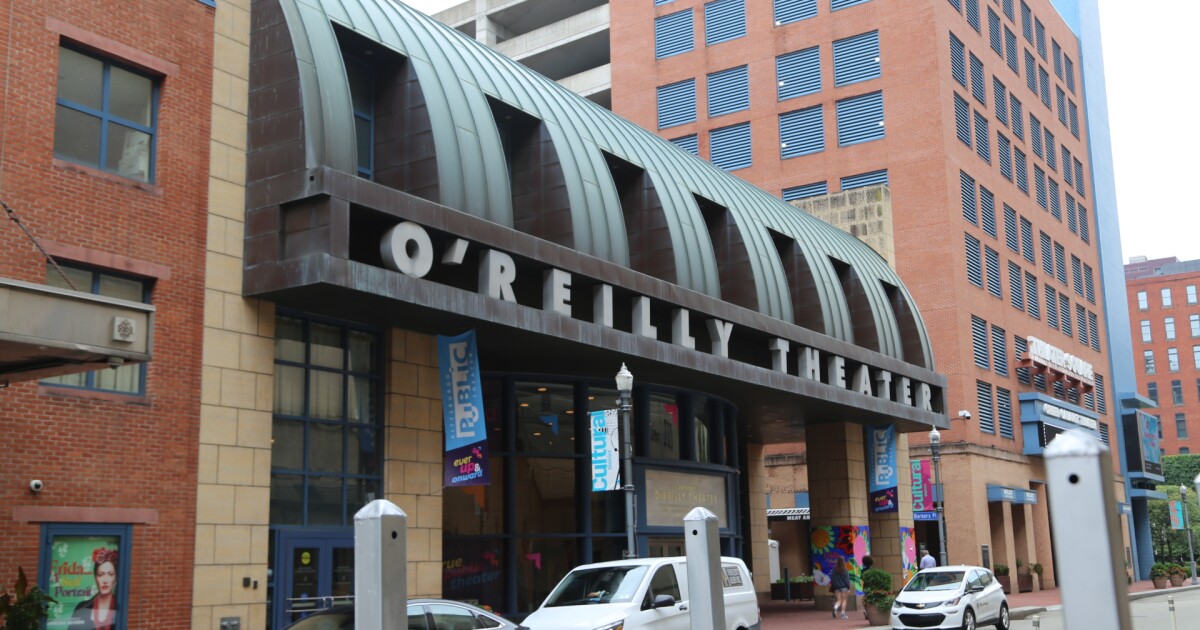
Neither statement explicitly addressed the fate of the Public’s longtime home, the 650-seat O’Reilly Theater, built for it in 1999 and owned by the Pittsburgh Cultural Trust. The Trust also owns the Benedum Center, where the CLO stages its summer season, and the Greer Cabaret Theater, where the CLO stages smaller productions. The Trust did not immediately respond to requests for comment on the merger.
The Public and the CLO said they secured “[a]n initial funding commitment to support the first part of this next phase” and an interim board including DiVito, Kubiak, Lesley Evancho, Edward Karlovich, Christine Kobus, Richard Lipovich, Thomas McGough, Jessica Priselac, Peter Robinson, Bal Srinivasan, LaShawnda Thomas, and TJ Young. They said the current boards of the Public and the CLO will be involved in the transition as well.
Troubled times for arts groups
The groups undertook the talks that led to the merger in difficult times for nonprofit performing arts groups nationally. Historically, ticket prices and other earned revenue have covered only a fraction of the cost of running a theater troupe, but such groups typically made up the difference with donations.
However, most theater groups have not regained audiences lost during the pandemic, and some troupes in other cities have closed. Other troubles, like rising costs and a declining base of subscribers, predated the pandemic.
Both the CLO and the Public had shrunk their offerings in recent years.
In the past couple of years, the Public’s budget dropped from $8 million to $4.8 million, and this season it’s staging just four shows, down from the six it once routinely mounted. The CLO, with a budget of $8 million, staged just three productions in its 2025 summer season, down from six or more in prior years.
The groups framed the merger as part of the city’s Downtown Revitalization Plan. The statement included a comment by Mayor Corey O’Connor, who said, “Pittsburgh CLO and Pittsburgh Public Theater are treasured institutions, and this new organization is a bold step that honors their legacy while building a stronger future for the city’s cultural life and our Downtown Cultural District.”
In an emailed statement, the leadership of City Theatre congratulated the Public and the CLO on the vote.
“Pittsburgh audiences need the theatrical legacies of both organizations to exist, and we look forward to exciting ways of future partnership with this new entity,” read the statement, in part. “Most importantly, we are rooting for their success to ensure the artists and staff who call PPT and CLO home have opportunities to create great, locally produced work for our region.”