
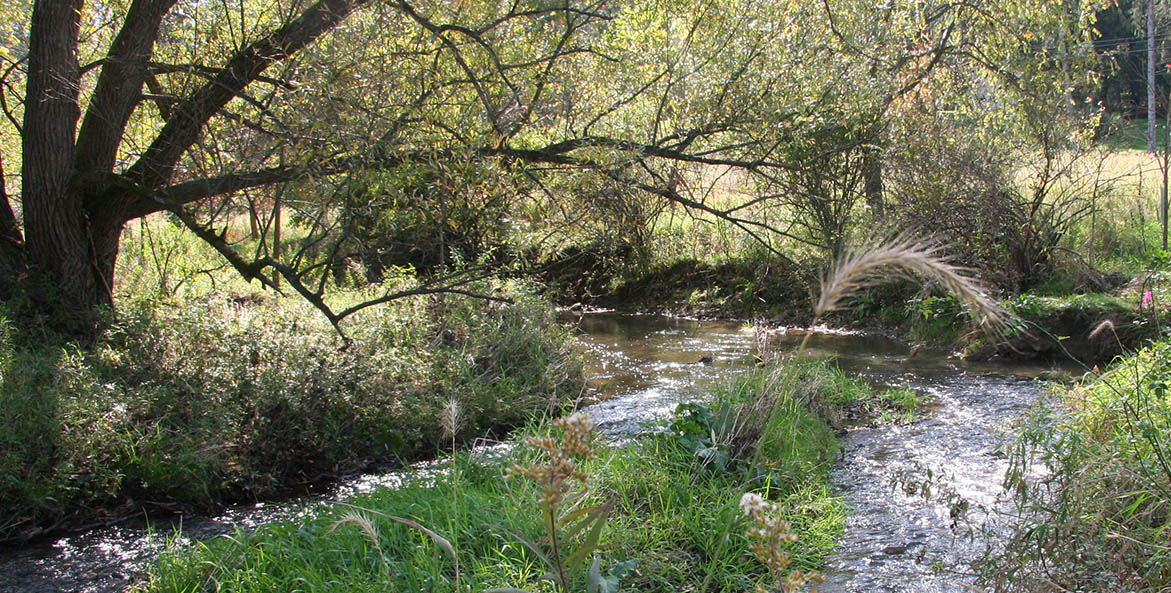
The small tributary rushed past in a thick, chocolate slurry. Streambanks lay slumped into the flow. Habitat was scoured away. Pools were choked with sediment.
Upstream, storm drains blasted runoff into the channel with the force of firehoses.
For decades, we armored streambanks, dredged channels and removed woody debris — treating symptoms we could see while ignoring the illness upstream and up the banks. In some cases, we still do.
But nature has never operated on neat-and-tidy solutions. Increasingly, science confirms what our streams have been telling us: the crisis in our waters does not begin in the water.
This perspective shaped my recent testimony before the Pennsylvania House Environmental & Natural Resource Protection Committee, where I was joined by scientists, agency leaders, and county officials who echoed the urgency of addressing clean streams issues.
According to the Draft 2026 Integrated Water Quality Report from the Department of Environmental Protection, 31,451 miles—about 37%—of Pennsylvania’s rivers and streams fail to meet water quality standards and are considered impaired.
This report is a powerful, science‑based guidebook for recovery, turning observation into evidence—and evidence into action.
It does more than identify impaired waters. It shows which waterways are failing, why they’re failing and where investments can make the greatest difference.
The report makes clear that major stressors originate on the land: agricultural runoff, legacy coal mining pollution, and stormwater from towns, suburbs and strip malls. Trying to improve water quality without addressing the sources is like mopping the floor while the bathtub upstairs continues to overflow.
With the report as our guide—and the funding and other support to fix sources rather than symptoms, Pennsylvania can chart a measurable path to cleaner water.
When everyone works from the same evidence‑based roadmap, Pennsylvania’s restoration efforts become more strategic, efficient, and impactful.
As the commonwealth’s next budget is coming together, sustained funding of vital programs like the Clean Streams Fund, which includes the Agriculture Conservation Assistance Program (ACAP), is crucial.
ACAP uses the number of agricultural‑impaired stream miles in the report as part of its formula. This ensures resources flow to counties where need and potential impact are greatest.
Through ACAP, farmers install conservation projects like planting trees along streams that reduce erosion and polluted runoff into waterways, addressing the sources on the land.
In the watersheds of Halfmoon Creek of Centre County and Pequea Creek of Lancaster and Chester counties, and now in the watersheds of the Upper Conestoga River and Marsh Creek in Lancaster County and Little Fishing Creek in Centre as well as Sullivan, Lycoming and Columbia counties, details in the report helped identify impairments, focus investments and measure progress as restoration accelerated.
Each success becomes proof of concept for a broader path Pennsylvania can follow. The report guides watershed planning, conservation funding and clean water permits.
Think of the report as a roadmap to renewal; one that demands we stop treating streams as isolated problems and instead address the lands that feed them.
At the Chesapeake Bay Foundation (CBF), we shape this work through the “Five Ps”:
Plans: Locally informed, science‑driven blueprints identifying where solutions will have the greatest impact.
Places: Priority geographies where targeted investments deliver outsized ecological and community benefits.
Practices: Proven actions that restore soil health, rebuild habitat, reduce flooding, and return resiliency to watersheds.
Partners: Landowners, conservation districts, local leaders and organizations, outdoor enthusiasts, and concerned citizens moving in alignment.
Policy: Local knowledge informing programs like the Keystone Tree Fund and Clean Streams Fund that turn science into durable progress.
To turn this roadmap into renewal, the conservation community must:
Prioritize whole‑watershed, source‑focused solutions. Healthy streams begin on healthy land. Healthy soils, streamside reforestation, and many other practices—means the symptoms fade.
Use the report to target resources and document results. Invest where impairment is documented and where practices produce the strongest return.
Strengthen monitoring and coordination. A credible listing depends on strong monitoring. Conservation districts, state agencies, municipalities, and nonprofits must stay aligned so investments flow efficiently.
Enable durable policy. Long‑term success requires incentives and programs that make it easier for landowners and local governments to act.
When everyone works from the same evidence‑based roadmap, Pennsylvania’s restoration efforts become more strategic, efficient, and impactful.
Streams can recover. Aquatic life like brook trout and hellbenders can return. Farmers, families, and communities can benefit. Our work can leave a legacy of resilience for generations to come.
As CBF celebrates forty years of protecting and restoring Pennsylvania’s environment, we know this much to be true: When we fix the land, the water remembers how to heal.