
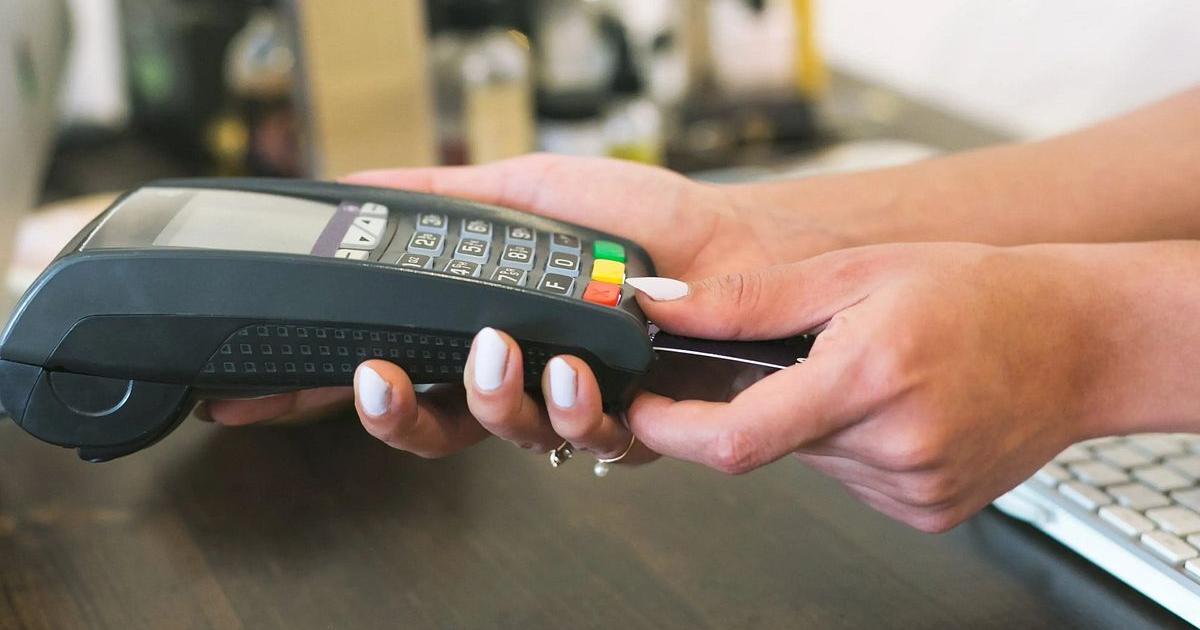
Pennsylvania lawmakers are considering a bill that could disrupt the payment system millions of residents rely on every day. HB 2090 would attempt to remove sales tax from credit card interchange fee calculations, a change that may sound simple but would require a costly and complicated overhaul of the technology that makes modern payments fast, secure and reliable.
Interchange fees are not some hidden scam. They’re the backbone of the electronic payments system that allows families to tap, swipe and move on with their day securely and instantly. This system works. It is fast, safe, and secure.
HB 2090 seeks to carve out sales tax from interchange calculations, something no other jurisdiction on the planet has successfully implemented. Similar proposals have been rejected in 30 states over the last 17 years. That’s not because lawmakers love Wall Street. It’s because they recognize a simple truth, that you can’t just carve the tax portion out of a split-second transaction without creating chaos.
Card networks process transactions in milliseconds. They do not, and cannot, distinguish between the product price and the tax portion in real time. To comply with HB 2090, Pennsylvania would need to build a payment infrastructure unlike any other state. That means new software, new hardware, new compliance systems, and years of costly redesign. And who ultimately pays for that? Consumers.
When the government mandates expensive technological overhauls, those costs don’t disappear. They show up in higher prices, new checkout glitches, or flat monthly processing fees that get passed to the consumer.
This is not theoretical. When the Durbin Amendment of 2010’s Dodd-Frank Act capped debit card interchange fees nationwide, consumers paid the price. Research from the Federal Reserve found that despite assurances by lawmakers that retail prices would fail with the interchange fee cap, almost 99% of retailers either kept prices the same or raised prices. A different Federal Reserve study found that banks responded to the revenue lost in fees by eliminating popular consumer reward programs and raising fees on banking services.
Interchange fees are also responsible for funding the consumer protection shoppers care deeply about. When fraud occurs, the issuing bank often absorbs the loss. Consumers enjoy zero-liability protections. Those safeguards aren’t free. When something goes wrong at the checkout, when your card is skimmed, when a charge appears that you didn’t make, when a merchant goes under after you’ve already paid, interchange-funded systems are what make you whole. Interchange revenue supports fraud detection systems, cybersecurity investments, and chargeback resolution.
If lawmakers shrink interchange revenue, banks won’t absorb the loss out of goodwill. They’ll pass it on. That means higher annual fees, reduced cash-back rewards, smaller sign-up bonuses, and potentially higher interest rates for working families. The people who rely most on those rewards aren’t corporate executives; it’s middle-class households stretching every dollar. It’s the nurse earning 2% back on groceries, the Uber driver saving points for a flight home, or the retiree using rewards to offset a prescription. HB 2090 doesn’t punish banks. It punishes them.
Moreover, Pennsylvania already allows retailers to surcharge credit card transactions to cover processing costs. If a business wants to pass along the full cost of card acceptance, it can. That’s transparency and that’s choice. What HB 2090 does instead is impose a form of price regulation on private financial arrangements. Once politicians begin dictating fee structures, they rarely stop at one slice of the pie. Today it’s interchange on sales tax. Tomorrow it could be other banking services that working families rely on.
While framed as pro-consumer reform, the bill reflects a familiar instinct toward heavy-handed government intervention in complex markets. This bill fails to help working families but rather gambles with the payment systems they rely on every single day for no consumer benefit.
Pennsylvanians deserve safe, convenient, and affordable card transactions. The current interchange system delivers that. HB 2090 risks fragmenting it, raising costs, and weakening consumer protections all for a theoretical benefit that will likely never materialize.
If Pennsylvania lawmakers truly care about consumers and small businesses, they should protect the infrastructure that keeps commerce running smoothly. Lawmakers should reject HB 2090 and keep Pennsylvania’s payment system secure, stable, and working for everyone.
Will Hild is President of Consumers’ Defense.