
Today, Disability Rights Pennsylvania filed suit against the state’s prison system, alleging that the agency provides dangerously inadequate medical care for people with Type 1 diabetes and punishes them for their disease.
“This action seeks to stop the cruel and unusual punishment of, and discrimination against, prisoners in the Pennsylvania Department of Corrections (DOC) diagnosed with Type 1 diabetes,” the complaint says.
When asked for comment, the DOC told The Appeal in an email that they don’t comment on pending litigation.
Steve and Barbara O’Connor’s daughter, Ellen, is among the approximately 190 people with Type 1 diabetes incarcerated in Pennsylvania state prisons, according to the complaint. Prior to her incarceration, her condition was well-managed, they said. But since she’s been locked up, she’s been “near comatose” multiple times with extreme blood sugar lows.
(Ellen is not her real name. At the family’s request, The Appeal is using an alias to protect her privacy.)
Disability Rights Pennsylvania (DRP) says Ellen’s experience is emblematic of a system-wide crisis. People with Type 1 diabetes are “denied basic medical care,” putting them at “immediate risks of loss of consciousness, seizures, coma, and sudden death,” according to the group’s complaint. The group alleges that, as a result of DOC’s policies and practices, life-threatening low and high blood sugars are a pervasive problem among prisoners with Type 1 diabetes.
“I want these people to get life-sustaining care,” Barbara said. “They walk in as one, and they can walk out without limbs, heart disease, blind, a multitude of life-changing illnesses due to the lack of care.”
Ellen fears she won’t survive her incarceration.
“She keeps saying she’s afraid she’s going to die in there, she’s never going to get out,” Barbara said.
The Appeal in Your Inbox
Subscribe to our newsletters for regular updates, analysis and context straight to your email.
Even though Type 1 diabetes is classified as a disability under the Americans with Disabilities Act, many incarcerated people are deprived of the care they need, with catastrophic consequences. Earlier this month, a Philadelphia jury ordered the city to pay $1.5 million to the family of a man with Type 1 diabetes who died after he was deprived of insulin and developed diabetic ketoacidosis, also known as DKA, while detained in a city jail. Diabetic ketoacidosis is a life-threatening condition that requires immediate hospitalization.
Type 1 diabetes is a lifelong, chronic illness in which a person’s pancreas ceases to make insulin. People with Type 1 diabetes must receive insulin through daily injections or an insulin pump.
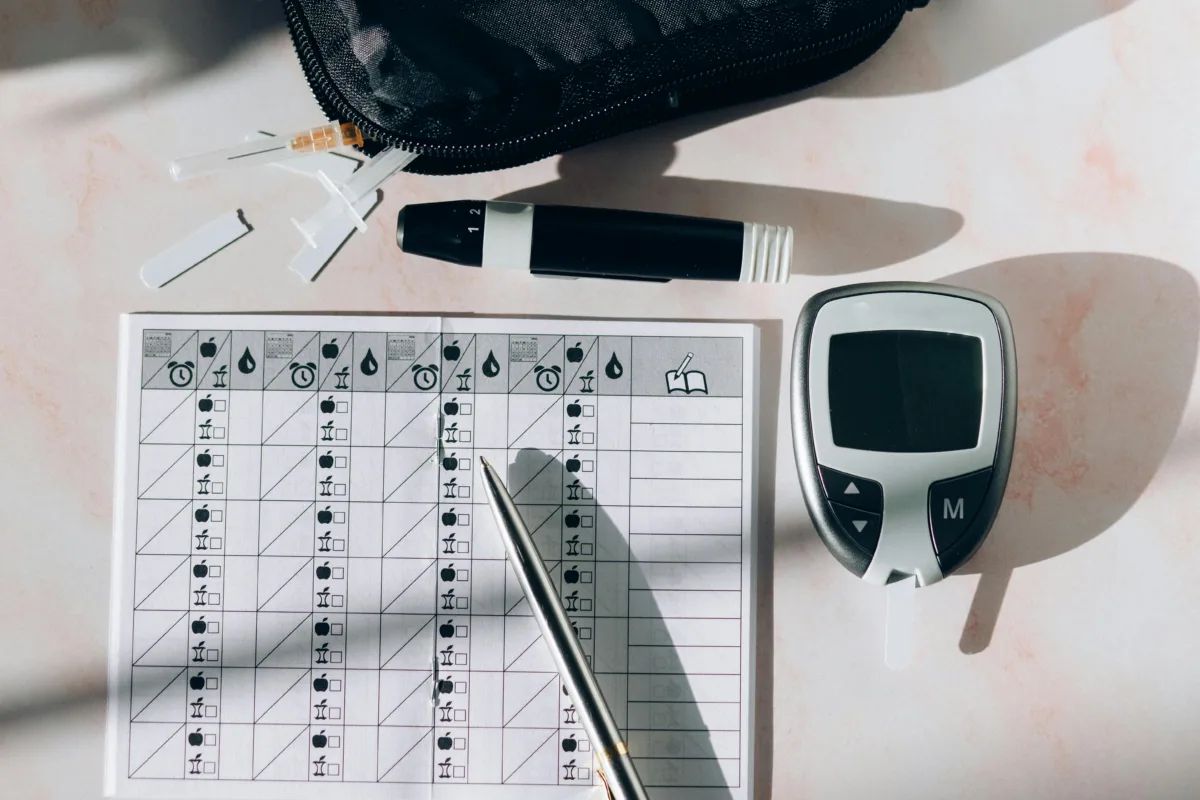
The condition requires around-the-clock vigilance. People with Type 1 must monitor their blood sugar, either through finger sticks or with a medical device called a continuous glucose monitor; calculate the number of carbohydrates they plan to eat to determine their insulin dose; and administer insulin multiple times a day.
But Pennsylvania prisoners are unable to follow any of these practices, according to the complaint. DRP alleges that people with Type 1 diabetes are routinely not given insulin to cover the carbohydrates they eat; are not told the carbohydrate counts for their meals; and are given antiquated forms of insulin. In some prisons, their blood sugar is checked only twice a day, according to the plaintiffs.
DRP says that prison officials have banned insulin pumps and denied all but one request for a continuous glucose monitor, even though both devices can help stabilize blood sugar levels. People with Type 1 diabetes use both devices in the community, and many other correctional facilities allow them, including some Pennsylvania county jails, according to the complaint.
The agency’s alleged practices conflict with the American Diabetes Association’s guidelines for diabetes care in correctional settings. The group advises that people entering prison who are on glucose monitors and insulin pumps “should retain uninterrupted access to these tools … unless an individualized case-by-case assessment shows that doing so would pose a safety or security risk.”
In addition to denying people proper care, the suit alleges that corrections officials discriminate against and punish people for having Type 1 diabetes.
Officers tased one man when he experienced an episode of hypoglycemia and was unresponsive because he did not keep his arms and hands in front while they attempted to handcuff him, according to the complaint.
Hypoglycemia, or low blood sugar, can cause a person to become confused and disoriented. If left untreated, it can quickly lead to loss of consciousness, seizures, or death.
This same man was also hospitalized twice for diabetic ketoacidosis, which is caused by high blood sugar levels, over the course of one week.
Ellen has also been disciplined for experiencing hypoglycemia. She received “multiple informal citations for being non-responsive due to low blood sugar when security staff came to her cell to bring her to the insulin line,” DRP attorney Alexandra Hermann wrote to The Appeal in an email.
These citations resulted in her being “locked in” her cell, which means that “you can only come out of your cell for medical reasons (i.e., no yard time, no kiosk usage, no dayroom etc.)” At a hearing, most of the citations were tossed out.
“If you can’t walk, you can’t go to medical,” Barbara told The Appeal of these incidents. “They just write her up and walk away.”
In addition to officers’ apparent ignorance or indifference, Ellen is also at the mercy of medical providers who don’t seem to understand the differences between Type 1 and Type 2 diabetes, her parents said.
“It seems as though [Ellen] knows more about Type 1 diabetes than most of the, if not all the people there in the medical staff,” her dad, Steve, told The Appeal. “It’s been very frustrating for her and for us to make any headway here.”
Ellen’s parents say they hope DRP’s lawsuit will finally change how Pennsylvania prison officials and medical providers manage care for incarcerated people with Type 1 diabetes.
“She is in life-threatening situations,” Steve said. “It’s just very disturbing and upsetting. We’re at our wit’s end, honestly.”