
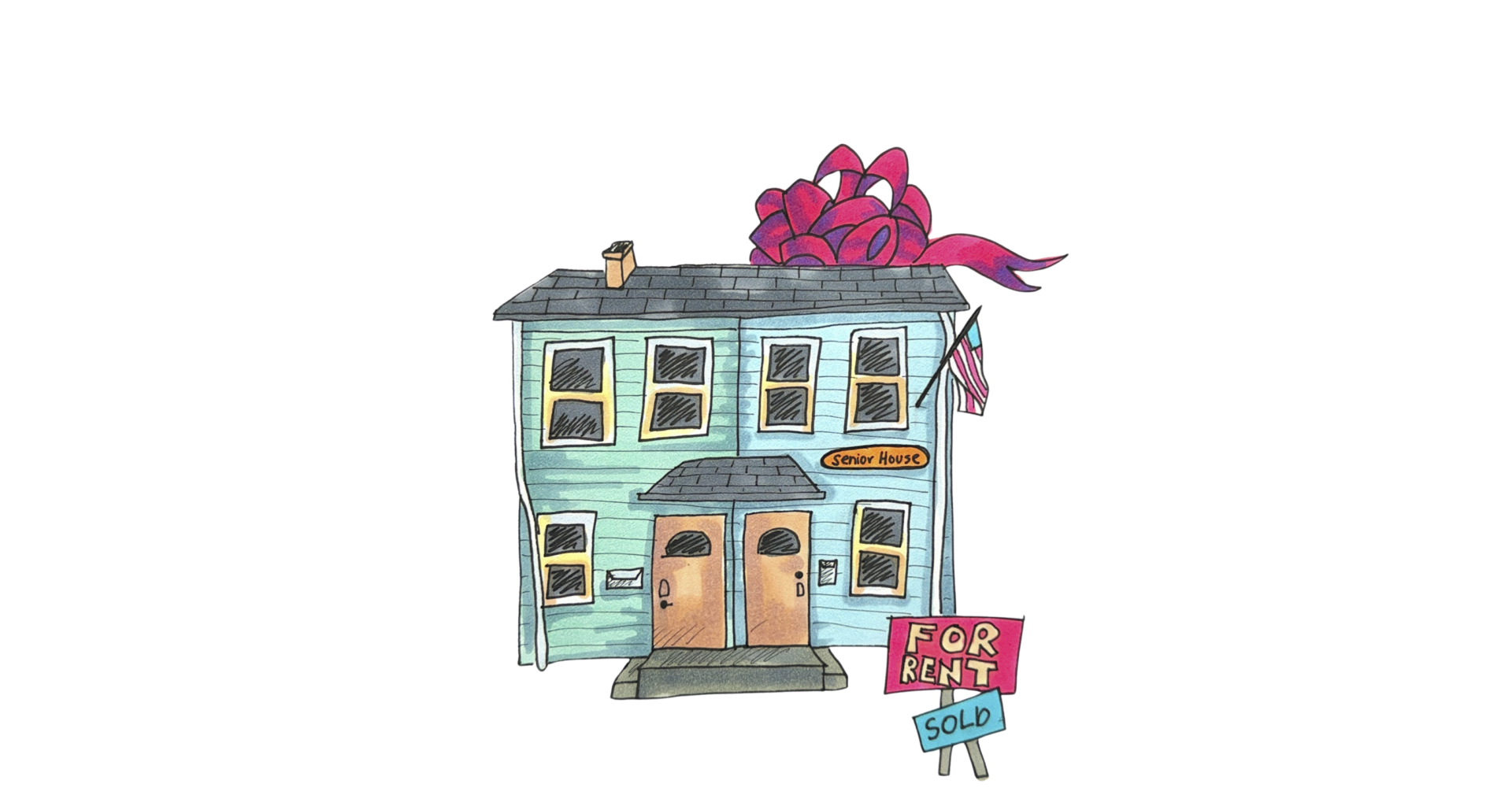
Signing a housing lease for senior year isn’t just inconvenient, it’s unreasonable.
At Lehigh, students feel intense pressure to decide where and with whom they’ll live senior year nearly two years in advance. Sophomore year is still the early stage of college, when students are making new friends, joining organizations and choosing majors. Yet at the same time, they’re expected to make long-term housing decisions that will shape one of the most important years of their college experience.
Sophomores are required to reside on campus and, for most, must navigate the second-year housing process. For students who aren’t Gryphons or haven’t committed to a themed community or Greek chapter house, housing is guaranteed. Still, they face the stress of either choosing roommates or being assigned random ones. At the same time, they’re expected to begin planning their senior-year housing, adding another layer of pressure to an already complicated process.
The search for senior year housing itself is overwhelming. Students juggle house tours alongside busy schedules filled with classes, extracurriculars and social commitments. Some properties quickly become more desirable than others, creating a sense of competition as groups rush to secure housing. What should be a thoughtful decision becomes a race against the clock.
Rather than carefully comparing options, many groups feel compelled to sign quickly to avoid losing a house to another group. The urgency surrounding leases often overshadows practical considerations like location, cost and long-term compatibility. This pressure leaves little room for sophomores to ask questions or determine whether a property truly meets their needs.
Casual conversation about housing quickly turns into legally binding commitments. Signing a lease means committing thousands of dollars before students even know what their financial situation will look like. Many are signing contracts with people they may not remain close with, agreeing to terms they may not fully understand. It often feels like a gamble.
For many students, this is their first time navigating a lease. They’re expected to evaluate utility costs, parking availability, landlord reputation and maintenance policies, along with details like furnishing, snow removal and whether the property is properly licensed. In reality, the pressure to act quickly often outweighs the ability to make informed decisions.
Without clear guidance or experience, students often rely on word-of-mouth advice from peers or online searches, which aren’t always accurate or reliable when making a major financial commitment. The lack of accessible information only adds to the confusion and stress surrounding the process.
The housing timeline puts unnecessary strains on friendships. Housing decisions often center around first-year friend groups, creating an unspoken pressure to preserve those relationships. Choosing where to live becomes more about social dynamics than practical needs.
It also creates tension. Most houses accommodate only four or five people, leaving someone out. Conversations about who will live where can quickly become uncomfortable, forcing students into awkward situations or last-minute searches for housing.
The reality is simple: a lot can change in two years. Students grow, form new friendships and shift priorities. By senior year, some find themselves with people they’ve grown apart from, turning what should be an exciting final year into a stressful one.
Lehigh’s off-campus housing timeline asks for too much, too soon. Students shouldn’t be forced to make major financial and personal decisions before they’ve had the chance to fully grow into their college experience.
Senior year should be about enjoying the final chapter of college, not dealing with the consequences of decisions made too early.