
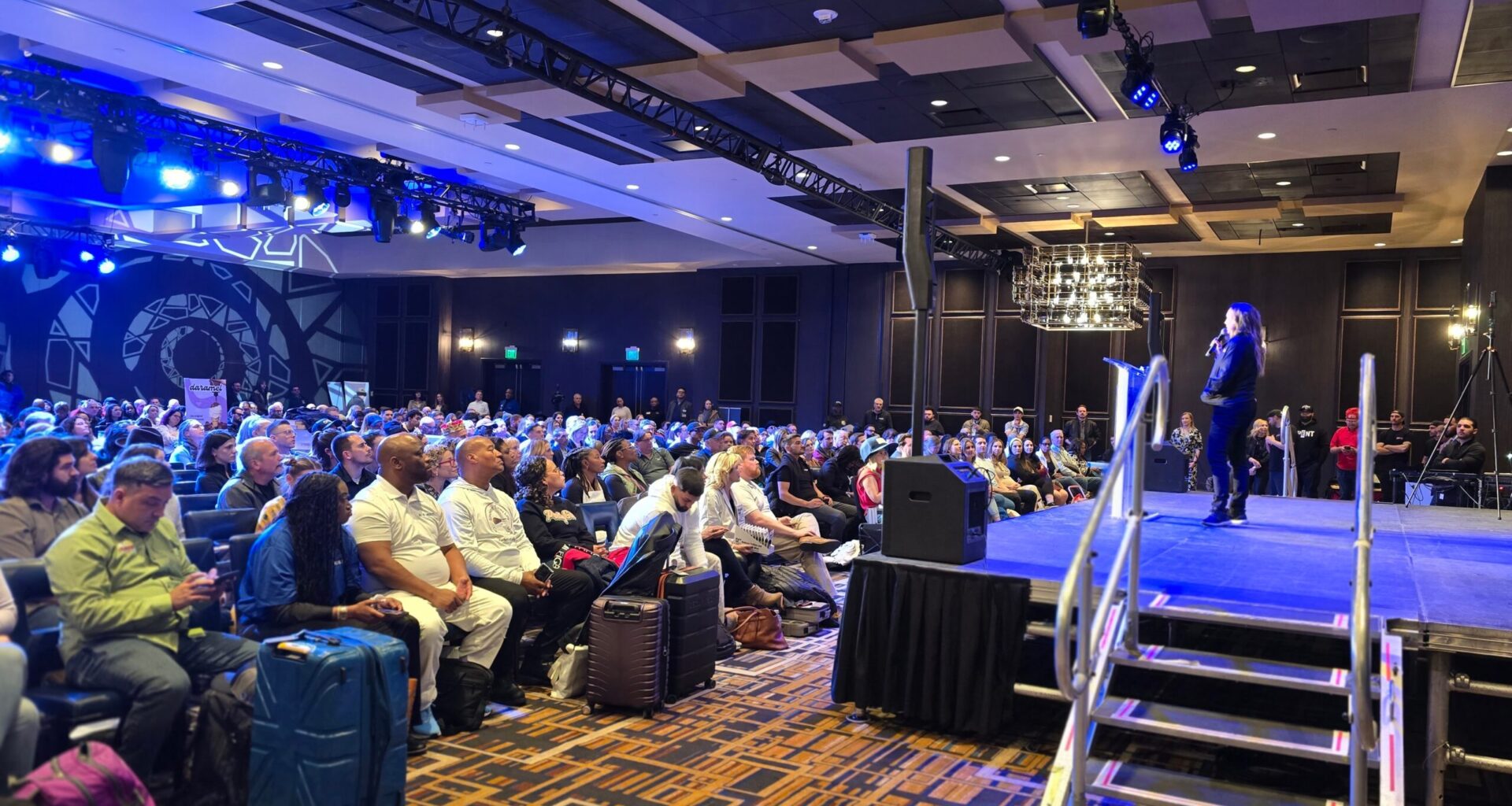
Before anyone pitches, they’re told what this isn’t.
It’s not a one-day selection or a guaranteed shot. And it’s not, despite the festive atmosphere, an easy path forward.
At the Shark Tank open casting call at Rivers Casino in Philadelphia on March 18, supervising casting producer Mindy Zemrak walked hundreds of hopeful founders through what to expect: Everyone in the room would get a chance to present, but decisions wouldn’t be made on the spot.
“Stand there and tell us what it is like we’re having a cup of coffee.”
The process stretches far beyond a single day, moving from quick pitches to multiple rounds before a handful ever reach the show.
At this stage, she told them, it doesn’t need to be perfect.
“You don’t have to have a pitch rehearsed,” Zemrak said. “You can just stand there and tell us what it is like we’re having a cup of coffee.”
A long shot for founders
The odds, however, are anything but casual.
At one point, a casting producer told the anxious group that it’s harder to get on Shark Tank than to get into Harvard Business School.
By the numbers, that’s true: The producer said roughly 20,000 people apply to Shark Tank each year, with fewer than 100 ultimately making it to air, or less than 1%. By comparison, Harvard Business School admits about 10% of applicants.
Even making it to the TV studio in Los Angeles doesn’t guarantee you’ll appear on the show. Deals struck on camera don’t always make it to air, casting producers said, and founders typically must close their deals before segments are considered for broadcast.
Still, the promise of a shot at a deal with the Sharks, however slim, keeps people showing up.
The reality show, which debuted in 2009, features entrepreneurs pitching their businesses to a panel of celebrity investors in exchange for equity. While it can deliver rapid growth and national exposure, not all deals close, and some founders have said they gave up significant equity in exchange for that visibility.
What founders brought to the table
This week in Philly, hopefuls packed into a large hall above the casino floor, with prototypes, signs and a few attention-grabbing costumes.
Among them was a founder named Destiny, pitching an accessories brand called Frame Babe designed to make headwear more comfortable for people who wear glasses. She was inspired by her daughter, who got glasses at age 3 and struggled to wear bows and headbands comfortably.
“I usually help other businesses,” she said, referencing her background in marketing and graphic design. “Now I have to help myself.”
Nearby, other founders carried product prototypes shaped by personal experience. Danielle and Barry pitched a pillow insert system designed to prevent what they call “head drop,” a problem they discovered after Danielle underwent major neck surgery. The insert fits inside a standard pillow and is designed to properly support the head, which they said can help prevent pressure on the throat.
“I woke up from surgery and that was the first thing he gave me,” Danielle said. “It held my head up perfectly.”
A retired special education teacher named Deirdre brought Penny’s Hug Me Pillow, originally designed for autistic children but now aimed at a broader audience, including seniors and people dealing with anxiety or sensory needs.
“There are pillows you can hug,” she said. “This one hugs you back.”
Lamera Jackson, a chemist who runs her own cleaning business, pitched a line of products named after her father. Her flagship, Willie’s Heavy Duty Floor Cleaner, grew out of years of hands-on work with clients.
“You better put my name on something that actually works,” she recalled him telling her.
All through the hall, ideas ranged from the practical to the playful: a kitchen “culinary CPR kit” designed to fix meals that are too salty or too bland; a life-size game created to get kids off screens and moving; a card game called “Don’t Call ICE” that turns a US citizenship-style test into a party challenge.
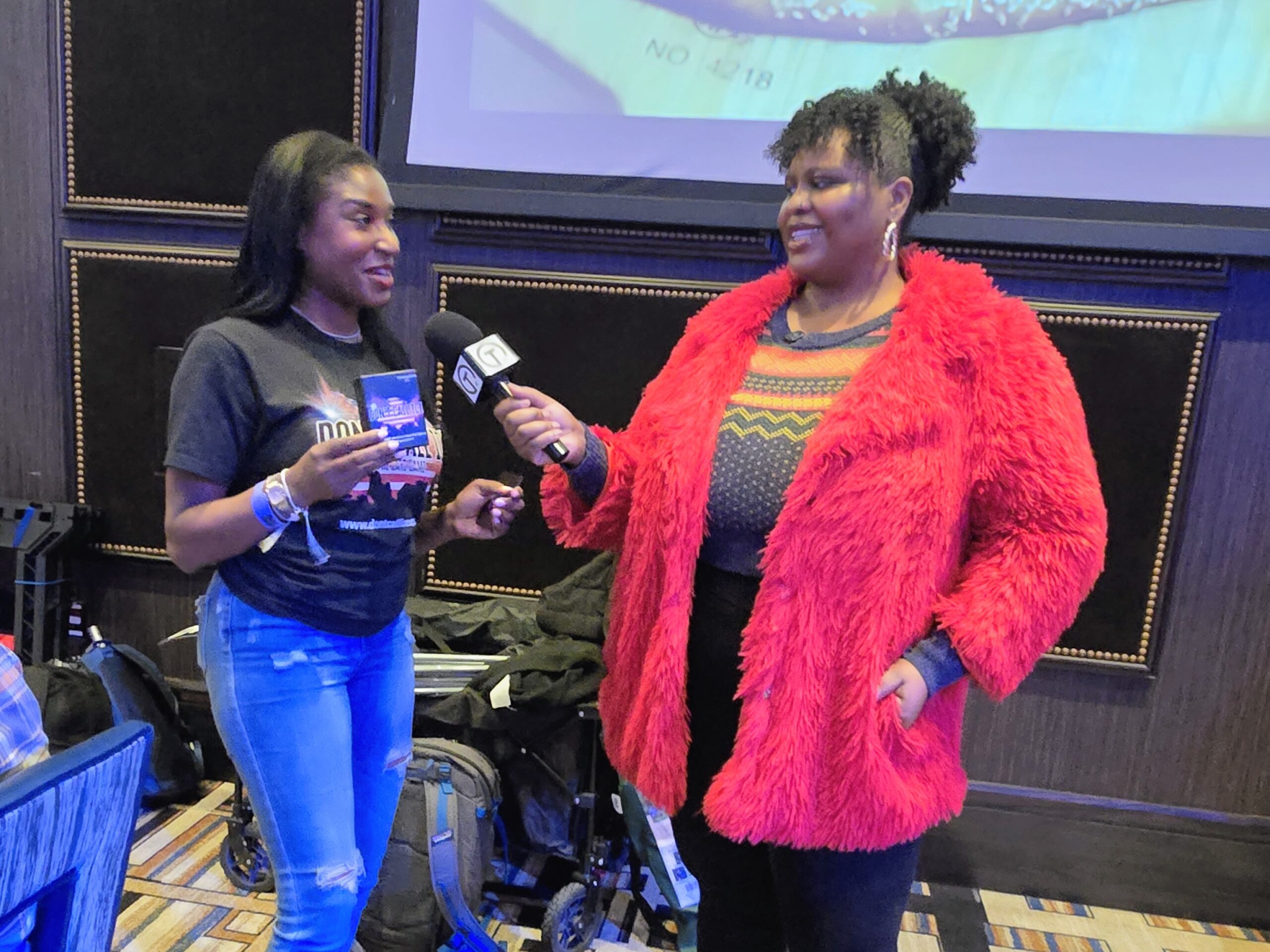 Stacey Banks, founder of the “Don’t Call ICE” card game. (Holly Quinn/Technical.ly)
Stacey Banks, founder of the “Don’t Call ICE” card game.
A comedian, Matt Bridgestone, pitched a concept for using stand-up shows to raise money for charities, quipping that he was “asking for $50 million,” but would happily take far less.
Others kept it simple. One entrepreneur demonstrated tags designed to help people finally put fitted sheets on the right way.
A reminder of what’s possible
For one company in attendance, the long shot that is Shark Tank has paid off.
Scrub Daddy, the smiley-faced sponge brand headquartered in nearby Pennsauken, New Jersey, had a table at the Philadelphia casting call as a reminder of what’s possible. The company, which appeared on Shark Tank Season 4 in 2012, has since grown into one of the show’s most recognizable success stories.
A casting producer told the crowd that four founders from last year’s Philadelphia casting call ultimately appeared on Season 17 of Shark Tank, including the Texas-based team behind Warrior Kid Medic, who traveled to Philadelphia to audition.
For the hopefuls who answered the casting call that day, though, the outcome of their 1-minute pitches remains uncertain.
“If it’s a success or not,” Destiny said, “it’s a lesson.”