
Daniel Rossi-Keen has lived in Beaver County for 15 years.
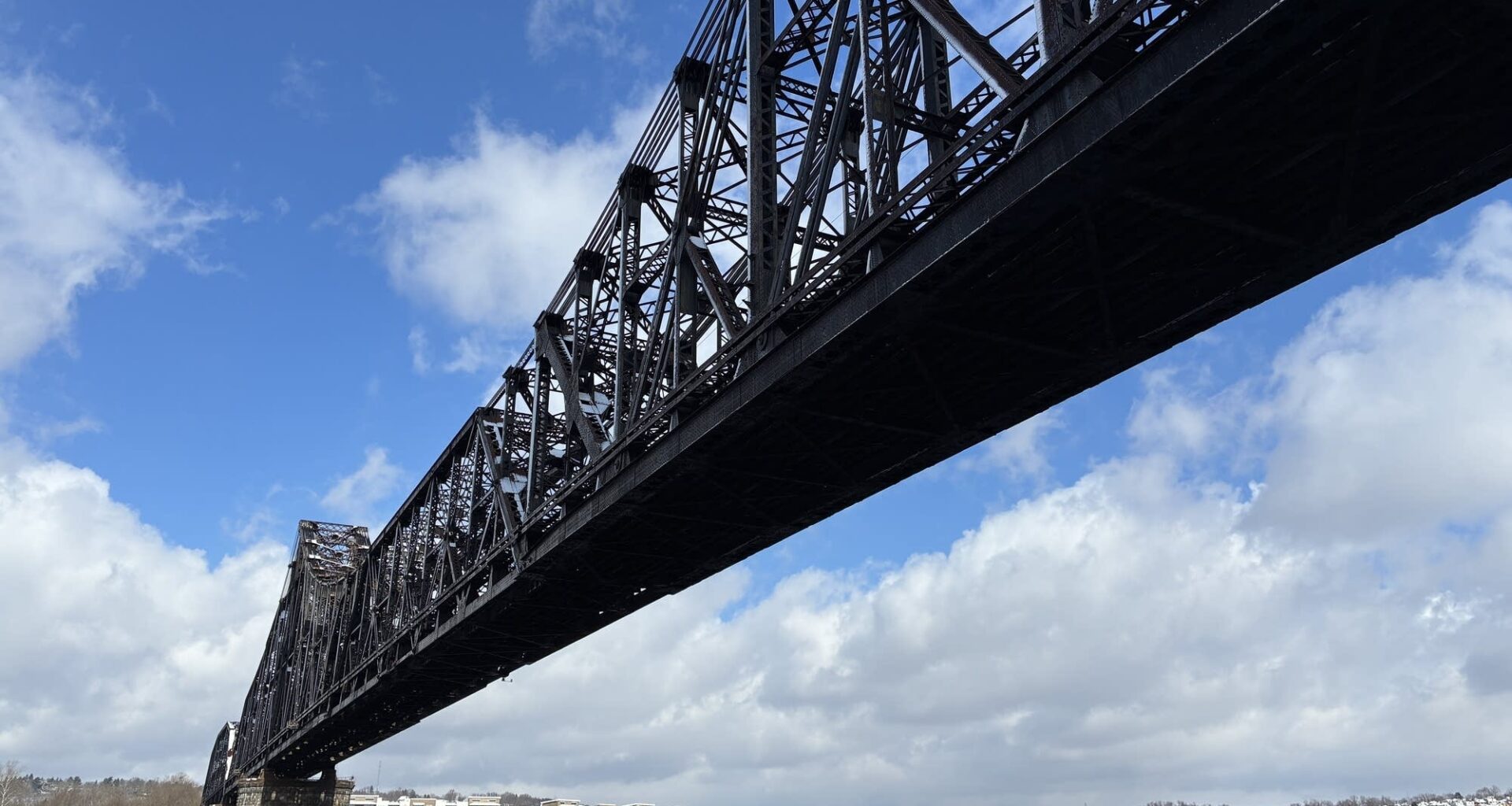
He’s driving through small town after small town along the Ohio River, past lots of people in Pittsburgh Steelers beanies, plus boarded up storefronts and closed down factories and power plants.
“It’s like in West Virginia, you know, can we just get back to coal? It’s like in Detroit. Can we just make cars in America again? That sensibility is very strong,” he said.
Beaver County, Pennsylvania, just northwest of Pittsburgh, used to be steel country. People who lived there made steel used in the Empire State Building and military hardware that won the World Wars. But its steel mill closed 40 years ago, and the population has been declining ever since.
Then in 2012, some residents were convinced that a new plant would reverse Beaver County’s decline. It was the height of the shale boom, and Pennsylvania and neighboring states were some of the largest sources of natural gas in the U.S.
Shell announced it was going to build a plant that turns that gas into the plastic in water bottles and toys and car parts. And it would be right in Beaver County.
“Shell officials stood up and said, ‘When we turn the lights on at that facility, you’ll never recognize your community again,’” Rossi-Keen said.
With it would come new jobs and tax revenue and prosperity, just like the old days. The Commonwealth of Pennsylvania granted a $1.65 billion tax break, the largest in its history.
“What I’ve learned about this area because of the steel boom and the steel decline, I can understand why it sounded like such a great addition to the county,” said Beaver County resident Joline Atkins. “It just doesn’t seem like the employment cash cow that it was supposed to be.”
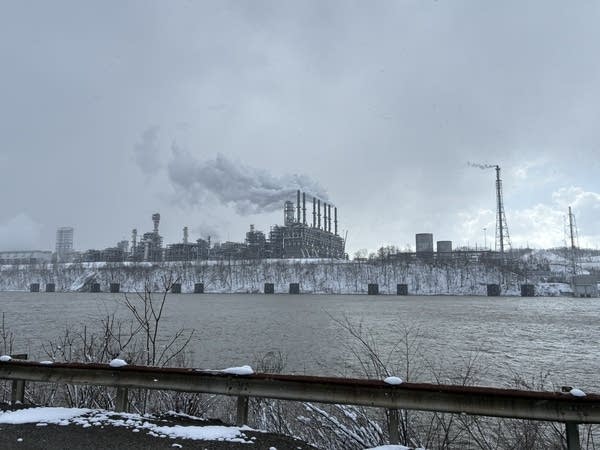
The American Chemistry Council, a trade group, estimated that ethane crackers like the one in Beaver County generate more than 17,000 direct and indirect jobs. Shell said in a statement that it employs 500 people full-time, and 400 contractors.
Caleigh Wells/Marketplace
The American Chemistry Council, a trade group, estimated that plants like the one in Beaver County generate more than 17,000 direct and indirect jobs. Shell said in a statement that it employs 500 people, full-time, and 400 contractors. “Shell’s presence continues to deliver ongoing economic value in the Commonwealth,” the company said in a statement.
The plant has faced millions of dollars in penalties for environmental violations. Several local news outlets said Shell is trying to sell the plant, although it wouldn’t confirm that.
Meanwhile, incomes for Beaver County residents are down and reliance on food assistance is up.
”If the argument was that this was going to be a rising tide that lifted all boats, a lot of boats are doing worse off than they were in 2012,” said senior economist Nick Messenger at the Ohio River Valley Institute.
Messenger said there are a few reasons for that. Other companies built new plants like Shell’s, so there’s a glut of production capacity. Meanwhile, more of us opted for reusable water bottles instead of the single-use ones made from the plant’s plastic. He also said this idea of a community putting all its proverbial eggs in one basket is not a great bet.
“A lot of the economics research indicates that small businesses and local businesses are actually the number one job creator in the country anywhere you go,” he said.
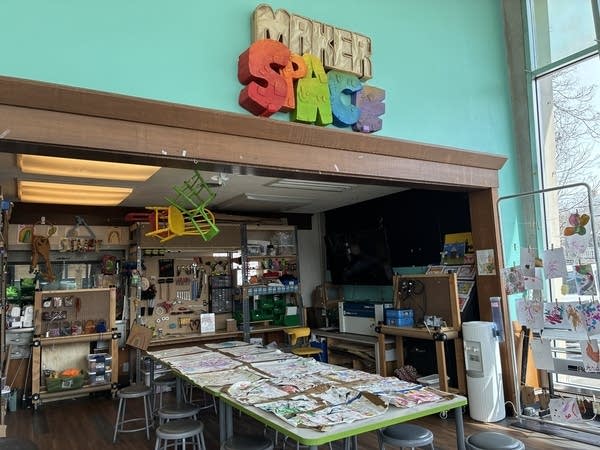
Neighborhood North, Beaver County’s first ever children’s museum, is one of the local businesses that RiverWise is helping to get off the ground. It’s currently raising money to move into an old newspaper building that has sat empty for decades.
Caleigh Wells/Marketplace
And that is precisely the insight that’s guiding Daniel Rossi-Keen, who runs the local development nonprofit RiverWise. He’s a small business owner himself. He owns a bookstore. He’s employed dozens of people and written thousands of paychecks.
“Not a single person has gotten wealthy as a result of that, but we’ve managed to create a local business and employ folks,” he said.
On our driving tour, he stops by a metal scrap dropoff site, run by a nonprofit he’s partnered with. It uses the scrap to repair bicycles. Then it gives them to children.
His operation, modest as it is, generates north of a million dollars a year in economic output, Rossi-Keen said.
“It’s not a $14 billion or $15 billion investment,” he said. “But you start to stack these things up piece by piece by piece by piece by piece.”
Related Topics