
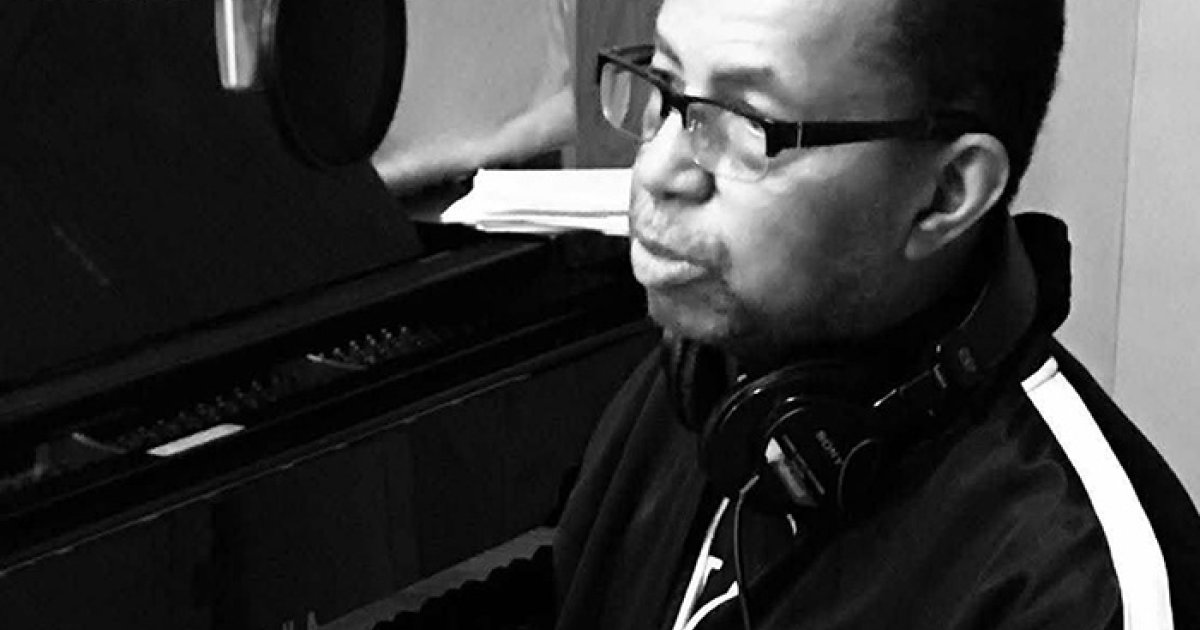
In 1982, Johnson and his wife, Pamela, co-founded the AAMI, beginning with classes in the basement of St. James AME Church in East Liberty. What started as a small community program grew into one of Pittsburgh’s most enduring cultural institutions.
For more than 40 years, AAMI has provided music instruction, workshops and performance opportunities. The institute, now on Hamilton Avenue in Homewood, has trained students of all ages — many of whom have gone on to become educators, performers and community leaders.
Though Johnson traveled the world teaching and performing, his wife said they were intentional about keeping the institute nestled in Homewood.
“He never wanted to be outside the community we served,” she said.
That commitment extended beyond geography. Johnson’s Afrocentric approach to music education connected students to a broader cultural lineage often absent from traditional curricula. Through music, he taught identity and pride.
Johnson also maintained a strong presence in higher education, teaching music theory and African American music at the University of Pittsburgh, as well as at Carlow University, Duquesne University and the Community College of Allegheny County. At Pitt, he taught the course African American Music in the U.S. for more than two decades, influencing generations of students with his expansive knowledge of musical traditions.
His family said he remained devoted to teaching until the end, driven by what his wife described as his “calling.”
“He was well-rounded, and no matter what he taught, everybody loved his approach,” she said. “That was his gift.”
He shines in the pantheon of legendary Pittsburgh musicians: Ahmad Jamal, Dakota Stanton, Erroll Garner and others. Beyond the classroom, Johnson was an active performer who toured internationally and shared stages with jazz greats, among them Wynton Marsalis and Herbie Hancock. Yet colleagues say he chose a path focused less on personal acclaim and more on community impact.
“He could have just pursued performance,” said Aaron J. Johnson. “But he and Pam created something that empowered people to express themselves. That’s more important than it sounds.”
Johnson’s work with AAMI earned continued investment, including a $500,000 grant tied to its Cultural Treasures designation. The institute is now expanding its facilities to include the Ahmad Jamal Performance Hall, ensuring that its mission will continue into the future.
In addition to his wife, Johnson is survived by their five children, including James T. Johnson III, a noted jazz drummer; grandchildren and great grandchildren.
Viewing will be March 27, 2-8 p.m., and Saturday, 9-11 a.m., with funeral immediately following. All activity will be at St. James AME Church, 444 Lincoln Ave., Pittsburgh, PA, 15206.
Top photo courtesy of AAMI