
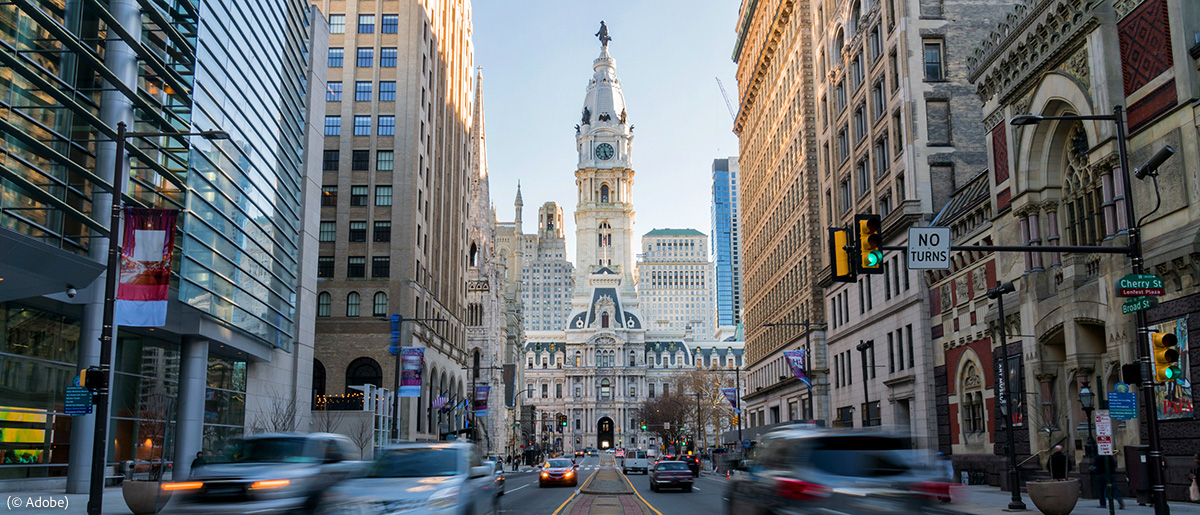
This summer, Philadelphia, often called the birthplace of the United States, will host the world’s largest sports tournament while celebrating the 250th anniversary of America’s founding.
Philadelphia served as an early U.S. capital and a central gathering place for the nation’s Founding Fathers before and after the Revolutionary War, making it a fitting backdrop for a world-class international event.
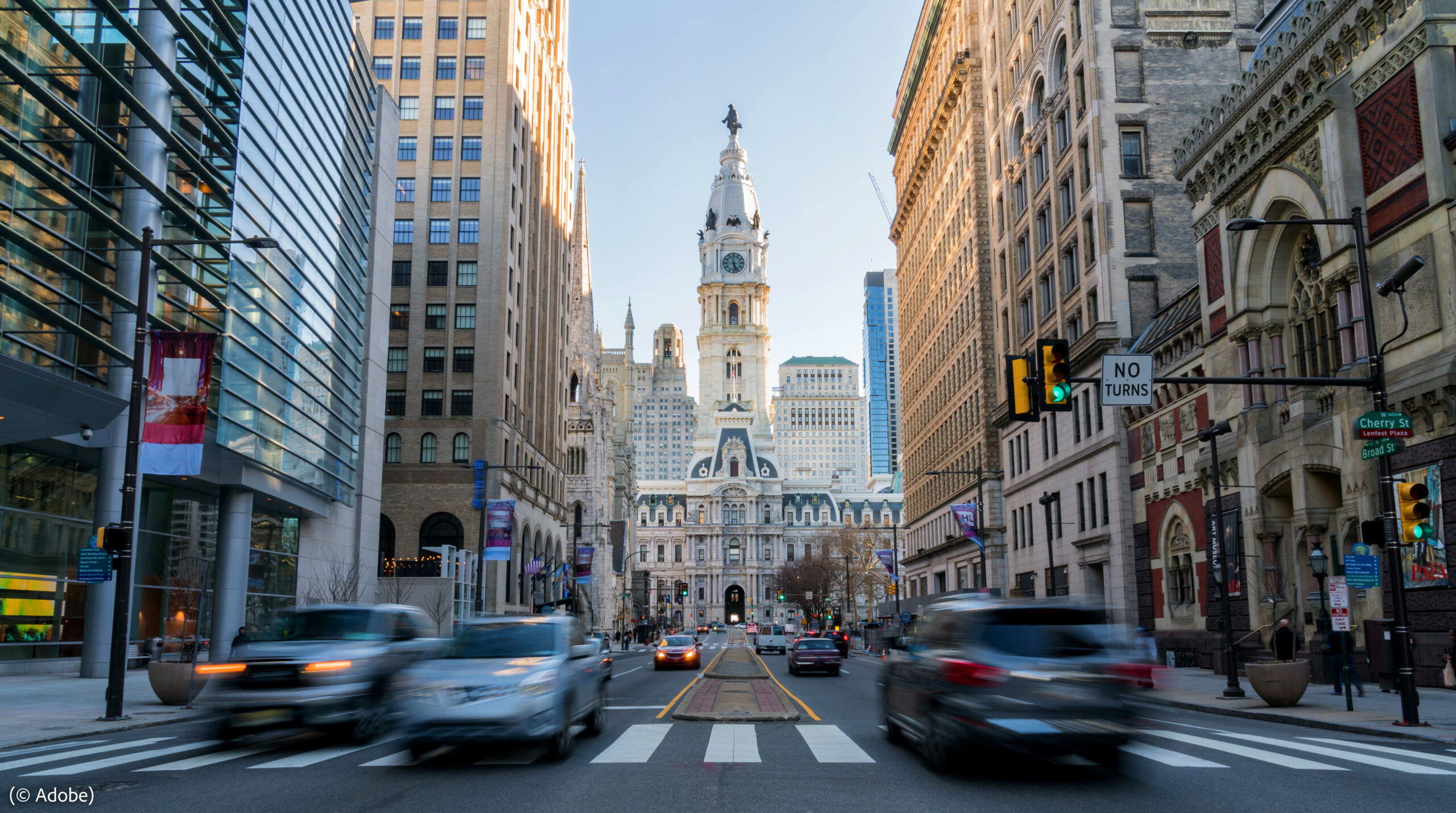 Philadelphia’s city hall is an iconic symbol of the city’s history. (© Adobe)
This year’s FIFA World Cup 2026™, from June 11 to July 19, is the largest since its inception in 1930, featuring 48 national teams playing 104 matches in the United States, Canada and Mexico. Six matches are scheduled for Philadelphia Stadium including a match July 4, 2026, America’s Independence Day and 250th birthday. National teams from Brazil, Côte d’Ivoire, Croatia, Curaçao, Ecuador, Ghana and Haiti are scheduled to compete in Philadelphia.
 (© Nicholas McClintock/FIFA)
The Philadelphia Convention and Visitors Bureau expects fans to enjoy visiting when they can experience soccer as well as exciting “can’t-miss events” tied to the nation’s birthday.
Fans can take in a free FIFA Fan Festival at Lemon Hill Park, a 39-day celebration featuring match broadcasts, food and entertainment.
“Philadelphia comes together when it comes to sports, and especially when it comes to soccer,” says Justin Friedberg, president of Sons of Ben, a fan organization for the Philadelphia Union Major League Soccer team. “You can go to different neighborhoods and see people watching a game, playing the game in the street or just talking about the game.”
This summer, international visitors can also take part in a Welcome America Festival, which culminates in a concert and fireworks show on July 4th.
Many of Philadelphia’s cultural sites are free, such as the Independence National Historical Park, home of the iconic Liberty Bell and Independence Hall — where the Declaration of Independence and U.S. Constitution were debated, voted on and signed. Certain museums will also offer free admission in the weeks leading up to July 4.
In the Historic District, visitors can stroll cobblestone streets and glimpse 18th- and 19th-century American architecture at Elfreth’s Alley, the oldest continuously inhabited residential street in the United States.
At Reading Terminal Market, one of the oldest and largest public markets in the United States, visitors can sample local favorites, from a classic Philly cheesesteak to hot roast pork sandwiches to Amish baked goods.
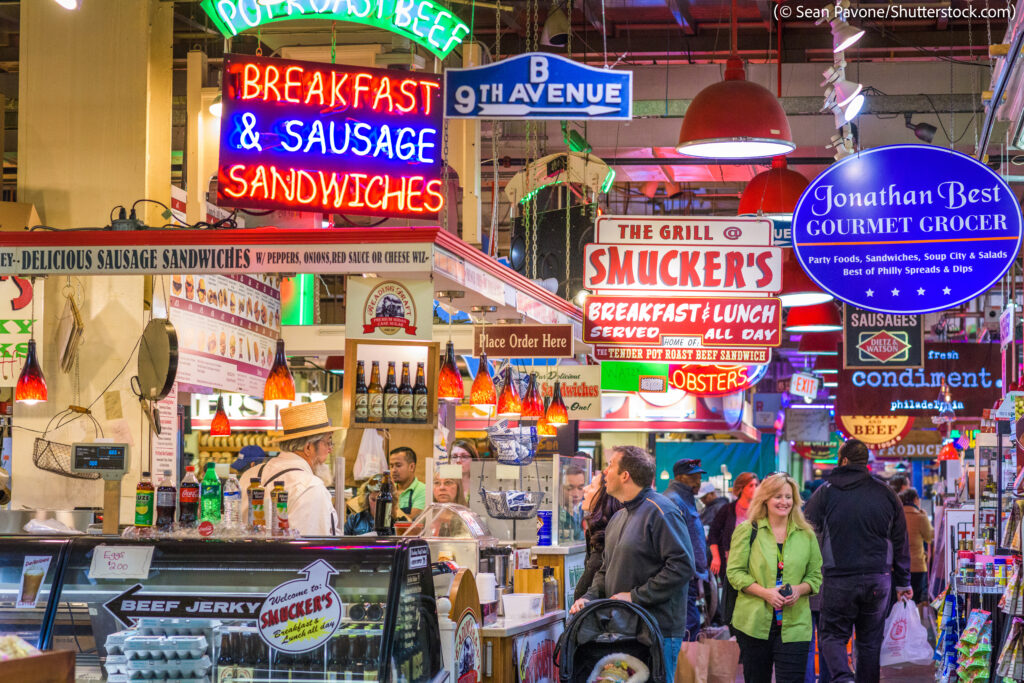 Philadelphia’s historic Reading Terminal Market is a popular lunch spot for tourists and locals. (© Sean Pavone/Shutterstock.com)
The Southeast Asian Market in South Philly’s Franklin Delano Roosevelt Park offers a vibrant mix of food and culture.
Art enthusiasts can explore world-renowned exhibits at both the Philadelphia Museum of Art and the Barnes Foundation, which features a major collection of 19th-century French impressionist paintings.
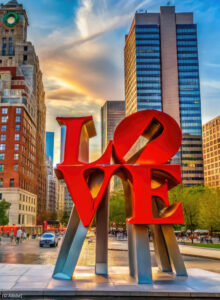 The LOVE sculpture in Philadelphia (© Adobe)
The Rodin Museum offers the largest collection of Frenchman Auguste Rodin’s sculptures outside of Paris.
The iconic LOVE sculpture — installed for the city’s celebration of America’s bicentennial in 1776 — sits across from City Hall and is a favorite for photo ops. The sculpture, by pop artist Robert Indiana, is a nod to Philadelphia’s nickname “The City of Brotherly Love.”
While Philadelphia is highly walkable, visitors should prepare for heat and humidity in June and July, with average high temperatures near 80 degrees Fahrenheit (27 degrees Celsius) and lows around 65 degrees Fahrenheit (18 degrees Celsius). The SEPTA subway serves the stadium and the Philly PHLASH bus stops at major attractions.
With global attention focused on the city in 2026, tour guides recommend visitors plan ahead and try to get tickets early for the events they hope to attend.
[Editor’s note: Teams and locations for some matches are not set at the time of publication.]