
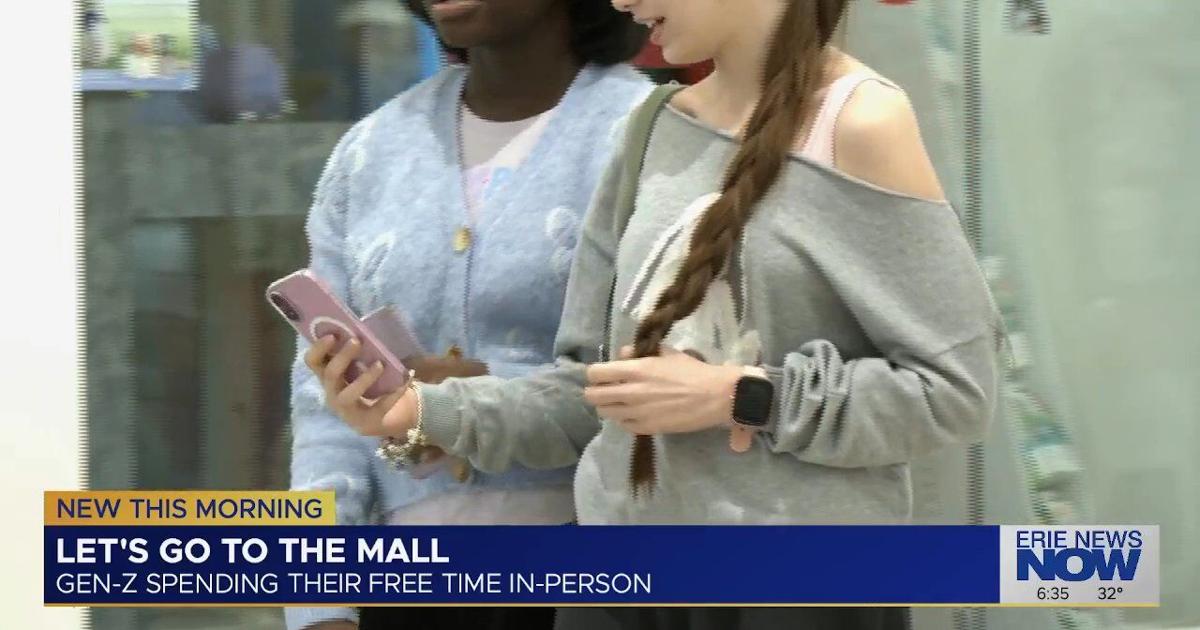
Shopping malls are seeing an unexpected resurgence, this time fueled by teens and tweens who are turning the once‑struggling retail hubs into their go‑to hangout spots.
“It’s just, like, so much fun to hang out with your friends,” said high school student Lea Butterfield during a recent visit to the Millcreek Mall. “It’s like the perfect place to go, especially because right now it’s cold.”
But for many young visitors, the draw goes beyond staying warm. It’s about spending time together in their favorite stores — even if they’re not buying much.
“Well, obviously Hollister,” one student said. “Claire’s — Claire’s for earrings. Bath & Body Works, good scents there. Windsor, best place for dresses for, like, Homecoming and Prom.”
Despite the foot traffic, many teens say they often leave without making a purchase. “I never have any money, so I just walk around,” one student said. Another described their visits as a mix of browsing and occasional spending. All three students interviewed said they go to the mall at least three times a week.
That shift in behavior is showing up nationwide. Gen Z’s retail spending is growing faster than any other generation and is expected to top $12 trillion globally by 2030. Unlike older generations, they’re choosing to spend more of their money in physical stores rather than exclusively online.
Educators say the trend reflects what’s happening in schools. “You’re seeing a big push for social and emotional learning and teaching digital literacy,” said Josephine Hunt, a teacher and instructional coach at Northern Virginia Community College. “That’s leading more teens to seek out real in‑person interaction, similar to previous generations.”
Hunt said the pattern feels familiar. “That’s actually my generation, too, and I used to really enjoy finding my friends and taking a bus over to the mall. It was a major social component of our generation — just walking around.”
Experts say the return to in‑person spaces like malls is a positive sign, helping teens build social skills and supporting better mental health at a time when many young people are navigating the pressures of digital life.
As malls continue adapting to a changing retail landscape, this new wave of young visitors may be giving them something they haven’t had in years: a second life.