
Pennsylvania has always been an energy state. From coal and steel to natural gas and nuclear power, our Commonwealth has powered industries, communities, and homes across the country.
But today, energy is about more than keeping the lights on — it’s about whether Pennsylvania wins or loses the next wave of economic investment.
Energy policy is economic policy. The decisions we make now will determine whether Pennsylvania attracts the next generation of manufacturing, technology investment, and high-quality jobs — or watches them go to competing states.
When companies decide where to build a factory, expand a logistics hub, or invest in emerging technologies, one of the first questions they ask is simple: Is the energy reliable and affordable?
Increasingly, the answer determines where industries invest — and where jobs follow.
Competing for the digital economy
Take the rapid expansion of data centers. They require large amounts of reliable electricity. Analysts project that data centers could double their electricity usage in the United States by 2030, making reliable power supply a decisive factor in where companies build them.
States that can deliver reliable, reasonably priced power will attract billions of dollars in private investment.
Pennsylvania is already well-positioned to compete. The Commonwealth produces more electricity than it consumes and exports surplus power across the regional grid to neighboring states.
That advantage matters to industries that depend on large, steady power supplies, from advanced manufacturing to AI infrastructure. Manufacturers, in particular, rely on predictable energy costs to remain competitive. When energy is stable and affordable, factories expand, supply chains grow, and good-paying jobs follow.
Pennsylvania has long powered the nation. With the right strategy, it can power the next generation of jobs and investment as well.
Energy investment creates work far beyond power plants or drilling operations. Union construction workers build pipelines, transmission lines, power plants, and the infrastructure needed to support major data-center campuses. Engineers, electricians, and manufacturers supply the equipment that keeps the grid running.
Pennsylvania is already one of the country’s top manufacturing states, supporting more than half a million jobs in advanced manufacturing industries.
When Pennsylvania produces energy, Pennsylvania creates opportunity. That’s not just for utilities and energy companies, but also for manufacturers, construction workers, and the communities where they live.
But none of that opportunity exists if energy becomes unaffordable.
Families across the Commonwealth are already dealing with rising costs — from groceries to housing to childcare. Energy policy that drives up utility bills would only add to that pressure.
For working families, dependable electricity isn’t optional. It keeps homes warm in the winter and cool in the summer, and household budgets manageable.
A balanced energy mix works
Pennsylvania’s strength comes from balance.
Today, about 60 percent of the Commonwealth’s electricity comes from natural gas, while nuclear power provides roughly 30 percent — one of the largest shares of carbon-free electricity in the country.
Renewable energy continues to grow, and it should. But reliability still matters — and natural gas remains the backbone of the grid, able to generate electricity around the clock and ramp up quickly when demand spikes.
Pennsylvania is also the second-largest natural gas producer in the United States, giving the state a major advantage in energy supply and affordability.
This balanced energy mix has also delivered real environmental progress. Since 2005, Pennsylvania’s power-sector carbon emissions have fallen by roughly 40 percent, largely because cleaner-burning natural gas replaced coal.
Remarkably, Pennsylvania accomplished that while remaining a national leader in electricity exports to other states, increasing overall power generation, and reducing emissions.
Powering the next generation of opportunity
As emerging industries choose where to invest — from advanced manufacturing to artificial intelligence infrastructure — they will gravitate toward states that can offer dependable energy, modern infrastructure, and a skilled workforce.
Pennsylvania has all three.
If we make smart policy decisions, our energy sector won’t just power homes and businesses. It will drive billions in private investment, build critical infrastructure, and support thousands of family-sustaining union construction and manufacturing jobs, as well as new technology jobs across the Commonwealth.
These questions aren’t theoretical. Leaders from government, labor, urban policy, and private investment will discuss them in Philadelphia next month at a Philadelphia Citizen forum hosted by Natural Allies for a Clean Energy Future on “Powering Pennsylvania’s Energy Future Through Policy, Innovation, and Investment.” The conversation reflects a broader reality: Pennsylvania’s economic future depends on whether policymakers, industry, and workers can align around a practical, all-of-the-above energy strategy that supports growth, reliability, and good-paying jobs.
The real question now is whether we will use that energy advantage to power the next generation of economic growth — or allow other states to seize the opportunity instead.
Pennsylvania has long powered the nation. With the right strategy, it can power the next generation of jobs and investment as well.
William C. Sproule is Executive Secretary-Treasurer, Eastern Atlantic States Regional Council of Carpenters.
The Citizen welcomes guest commentary from community members who represent that it is their own work and their own opinion based on true facts that they know firsthand.
 MORE ON ENERGY IN PA
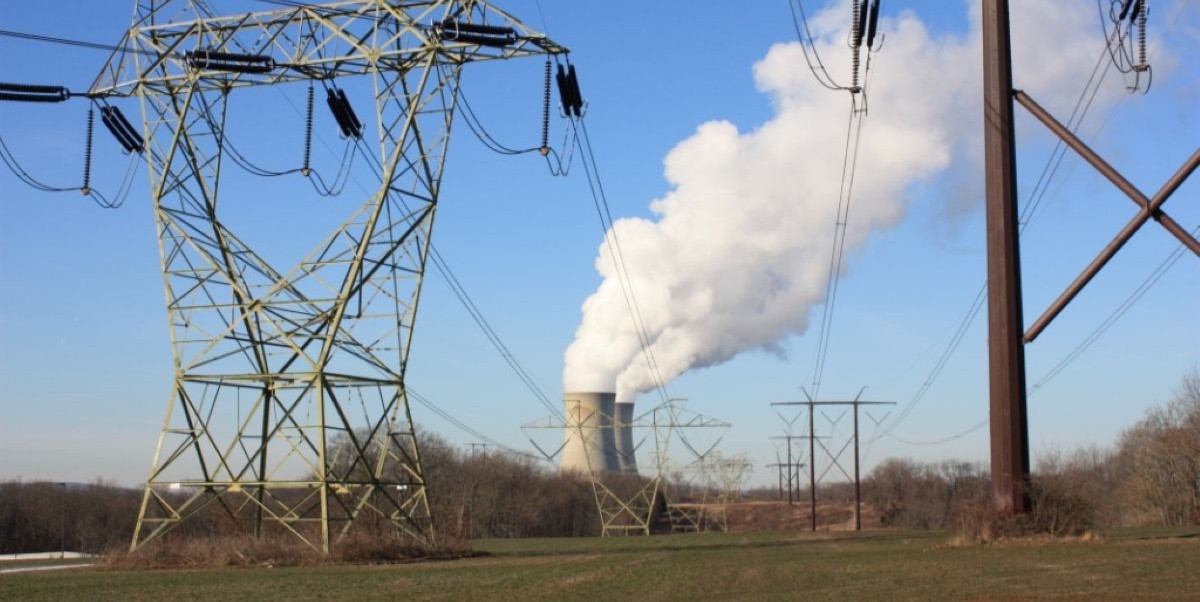
Limerick Plant and power lines. Photo by Montgomery County Planning Commission