
Home » America Travel News » Indianapolis Joins Columbus, Dayton, Cincinnati, Louisville, Cleveland, Erie and More US Cities to Face Severe Weather with Highest Risk of Tornado, Wind Gust, Rain and Flood: New Travel Chaos Alert is Here
Published on
March 27, 2026
By: Tuhin Sarkar
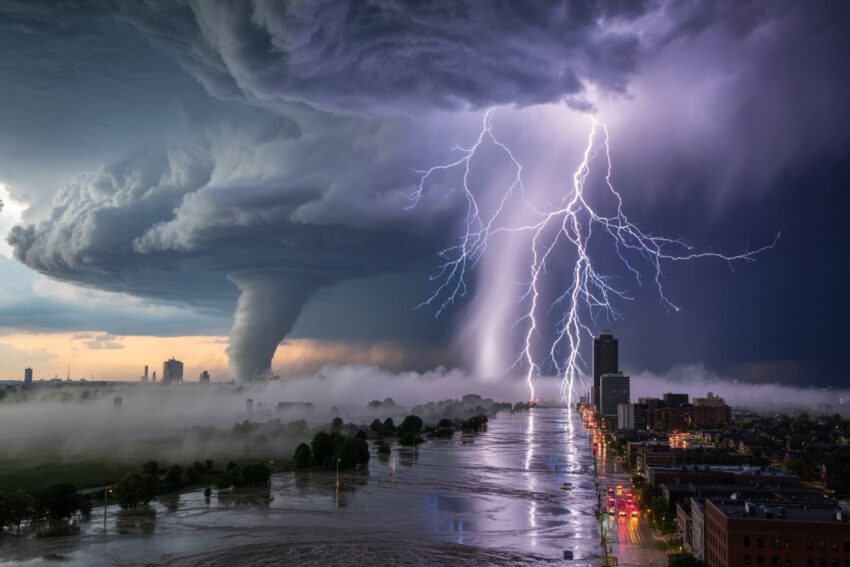
Image generated with Ai
Indianapolis Joins Columbus, Dayton, Cincinnati, Louisville, Cleveland, Erie and More US Cities to Face Severe Weather with Highest Risk of Tornado, Wind Gust, Rain and Flood as New Travel Chaos Alert is Here, disrupting routes and raising urgent safety concerns.
Indianapolis Joins Columbus, Dayton, Cincinnati, Louisville, Cleveland, Erie and More US Cities to Face Severe Weather with Highest Risk of Tornado, Wind Gust, Rain and Flood as New Travel Chaos Alert is Here, disrupting routes and raising urgent safety concerns.
Indianapolis joins Columbus, Dayton, Cincinnati, Louisville, Cleveland, Erie and more US cities to face severe weather with highest risk of tornado, wind gust, rain and flood. As a new travel chaos alert is here, conditions are worsening rapidly. Strong systems are moving fast. Warm air clashes with cold fronts. Therefore, instability rises sharply. As a result, severe weather expands across regions. Travel routes face disruption. Flights and roads are at risk. Meanwhile, authorities issue alerts. Travel And Tour World urges readers to read the entire story. Indianapolis joins Columbus, Dayton, Cincinnati, Louisville, Cleveland, Erie and more US cities again as severe weather escalates.
What Is Driving This Sudden Surge in Severe Weather Across the Midwest?
A potent low-pressure system moving across the northern United States is the primary driver behind this volatile weather pattern. It is pulling in warm, moisture-rich air from the south. This creates an unstable atmosphere. Such instability fuels strong thunderstorm development. At the same time, a cold front is advancing from the west. This boundary acts as a trigger for storm formation. The clash between warm and cold air masses intensifies storm severity. This dynamic setup is typical during transitional spring periods. However, the intensity seen here is notably higher. Meteorological indicators show strong wind shear and elevated energy levels. These conditions significantly increase the likelihood of severe storms. As a result, multiple states are now under heightened alert.
Which Regions Are Facing the Highest Risk from Thunderstorms and Hail?
The most vulnerable regions stretch across the Ohio Valley. This includes Illinois, Indiana, and Ohio. Southern Michigan and northwestern West Virginia are also at risk. Western Pennsylvania lies within the severe weather corridor. These areas are expected to experience the strongest storm activity. Thunderstorms are likely to intensify during the evening hours. This timing increases risk for commuters and travellers. Hail events could be significant in size and impact. Previous storms already produced golf-ball-sized hail. The recurrence of such conditions is highly probable. Wind damage is another major concern. Infrastructure, vehicles, and power lines are particularly exposed. The geographic spread of risk highlights the scale of this weather system.
How Dangerous Could the Wind Gusts and Tornado Threat Become?
Wind gusts associated with these storms could reach extreme levels. Forecasts indicate speeds up to 85 mph in isolated areas. Such gusts can cause structural damage. Trees and power lines may be uprooted or snapped. This can lead to widespread outages. In addition, the atmospheric setup supports rotating storm cells. These supercells can produce brief tornadoes. While tornado risk is not widespread, it is significant. Even short-lived tornadoes can cause severe local damage. The unpredictability of these events increases danger. Night-time tornadoes pose additional risks. Reduced visibility makes them harder to detect. Emergency preparedness becomes critical under such conditions.
Advertisement
Advertisement
Why Is Flooding Becoming a Major Concern After the Storms?
As the cold front moves southeast, the weather threat will evolve. Thunderstorms will transition into prolonged rainfall. This shift increases the risk of flooding. Rainfall totals are expected between one and two inches. However, localized areas may receive up to three inches. This accumulation over a short duration is critical. Urban areas are particularly vulnerable. Drainage systems may become overwhelmed quickly. Low-lying regions could see waterlogging. Small streams and creeks may rise rapidly. Flash flooding becomes a real threat under these conditions. Soil saturation from previous storms worsens the situation. Repeated downpours increase runoff intensity.
Which Areas Are Most Likely to Experience Flooding Impacts?
Flooding risks are concentrated across several regions. Central Illinois is a primary concern zone. Indiana and Ohio are also at high risk. Western and northern Pennsylvania face significant exposure. The southern tier of New York is included in the warning area. Northern West Virginia completes this high-risk belt. These regions share similar geographical vulnerabilities. Many areas have poor drainage systems. Urban expansion has increased impermeable surfaces. This accelerates runoff during heavy rain. Smaller waterways are prone to rapid swelling. Rural zones may face road washouts. Combined, these factors amplify flood impacts across the region.
How Are Temperature Swings Adding to the Weather Chaos?
Temperature fluctuations are intensifying the overall disruption. The region experienced a sharp warm-up before the storms. Temperatures rose significantly above earlier week levels. In some areas, increases of 15 to 30 degrees were recorded. This sudden warmth contributed to atmospheric instability. However, the arrival of the cold front reverses this trend. Temperatures are expected to drop sharply. Many areas will see readings fall into the 30s and 40s. This rapid cooling creates additional challenges. It affects travel conditions and public health. Sudden changes can increase risks of illness. The contrast between warm and cold conditions adds complexity to the weather system.
What Is the “Pneumonia Front” and Why Is It Impacting Chicago?
A “pneumonia front” is a rapid temperature drop caused by cold air moving over warmer conditions. This phenomenon is being observed in Chicago. The city experienced warm midday temperatures. However, conditions changed dramatically within hours. Cold air from Lake Michigan accelerated the drop. Temperatures are expected to fall below freezing overnight. This rapid shift can catch residents unprepared. It poses health risks, especially for those outdoors. The term reflects the sudden exposure to cold conditions. Such fronts are common in spring but rarely this intense. The impact extends to outdoor events and travel plans.
How Will This Severe Weather Affect Travel and Daily Life?
Travel disruptions are expected across multiple states. Road conditions may deteriorate due to heavy rain. Flooded streets can lead to delays and detours. Air travel may also face disruptions. Thunderstorms often cause flight delays and cancellations. Commuters will face increased risks during peak hours. Power outages may affect infrastructure and services. Sporting events and outdoor activities are also impacted. Sudden weather changes complicate planning. Emergency services may experience higher demand. Public safety advisories are likely to increase. Overall, daily routines will face significant interruptions.
What Are the Implications for Sports and Outdoor Events?
Weather conditions are directly affecting major sporting events. In Chicago, a baseball opener faces cold temperatures. Spectators may encounter near-freezing conditions. This contrasts sharply with earlier warmth. In Milwaukee, conditions will remain chilly. Fans are advised to dress accordingly. Meanwhile, St. Louis is experiencing unusually high temperatures. This creates a stark regional contrast. Cincinnati faces another challenge. Thunderstorms may disrupt schedules. Evening travel could be hazardous. These variations highlight the unpredictable nature of the system. Event organisers must adapt quickly to changing conditions.
How Long Will This Weather Pattern Persist Across the Region?
The severe weather phase is expected to last through Thursday night. Flooding risks will extend into early Friday. After this, conditions will begin to stabilise. Colder and drier air will settle across the Midwest. This shift will continue into the weekend. However, temperatures will remain below recent highs. The broader pattern reflects a typical spring transition. Fluctuations between warm and cold conditions will persist. While immediate threats will subside, instability may return. Meteorologists are monitoring for further developments. Residents should remain alert to changing forecasts.
A High-Impact Weather Event Demanding Immediate Attention
This developing weather system represents a significant threat across the Midwest and Ohio Valley. It combines multiple hazards into a single event. Severe thunderstorms, damaging winds, hail, and possible tornadoes are immediate concerns. This is followed by heavy rainfall and flooding risks. The rapid temperature swings add another layer of complexity. These conditions will disrupt travel, infrastructure, and daily life. The geographic spread of impact is extensive. Multiple states are simultaneously affected. Preparedness and awareness are critical. Authorities and residents must act proactively. The coming days will test regional resilience against extreme spring weather dynamics.
Indianapolis joins Columbus, Dayton, Cincinnati, Louisville, Cleveland, Erie and more US cities to face severe weather with highest risk of tornado, wind gust, rain and flood as a new travel chaos alert is here. This situation is driven by a powerful atmospheric setup. A strong low-pressure system is moving across the northern United States. At the same time, warm and moisture-rich air is surging into the Midwest and Ohio Valley. This clash creates intense instability. As a result, thunderstorms are becoming severe and widespread. The presence of wind shear increases the likelihood of tornado formation. Strong updrafts support hail development. Meanwhile, a trailing cold front triggers continuous storm regeneration.
The answer to why travel chaos is unfolding lies in the multi-phase nature of this system. Initially, cities like Indianapolis, Columbus, Dayton, Cincinnati, Louisville, Cleveland and Erie face damaging wind gusts and tornado threats. Subsequently, the system transitions into heavy rainfall. This leads to flooding risks across urban and low-lying areas. Roads become unsafe. Airports experience delays and cancellations. Therefore, both ground and air travel networks are severely impacted.
The reason this event is particularly disruptive is its geographic spread and timing. It affects multiple major cities simultaneously. Evening and overnight storm activity increases danger. Visibility reduces. Emergency response becomes more complex. Additionally, rapid temperature swings add further stress on infrastructure and public health. Indianapolis joins Columbus, Dayton, Cincinnati, Louisville, Cleveland, Erie and more US cities once again under a severe weather alert. This new travel chaos alert is here not as an isolated incident but as a system-wide disruption. Preparedness, monitoring and timely response remain essential to minimise risk and ensure safety.
Advertisement
Advertisement
