
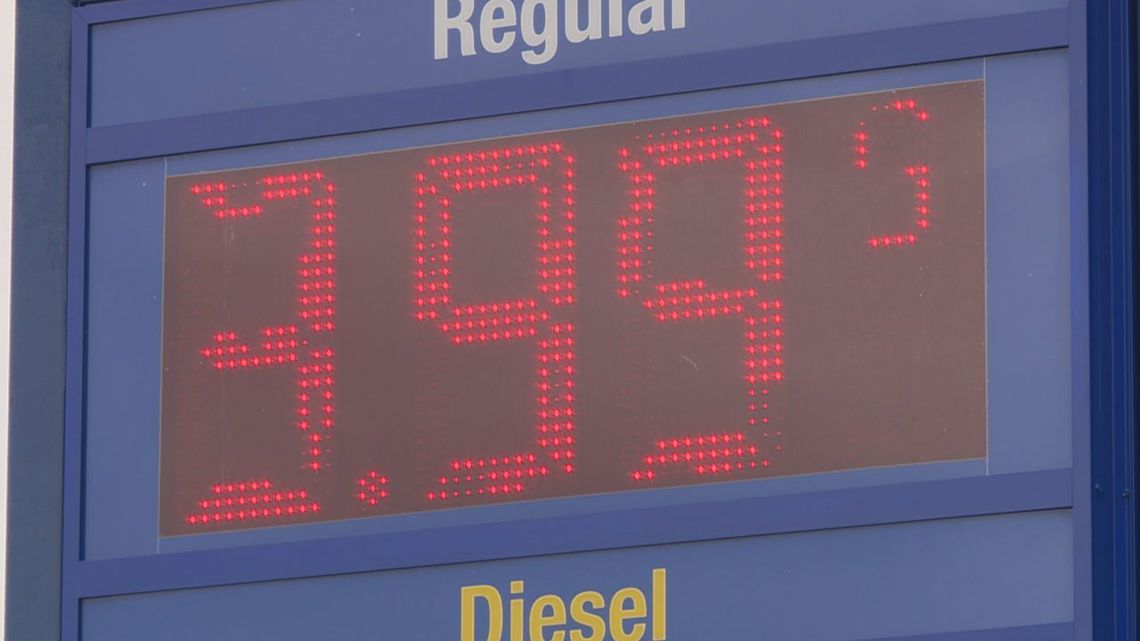
State House Republicans proposed an income “tax holiday,” while Democrats are focused on raising the minimum wage.
HARRISBURG, Pa. — Pennsylvania lawmakers are proposing competing approaches to address what both parties describe as a growing affordability crisis across the Commonwealth.
State House Republicans on Wednesday unveiled a sweeping proposal dubbed the “Freedom Through Affordability” initiative, a multi-billion-dollar package centered on temporary tax cuts and cost reductions aimed at providing immediate relief to families.
The plan, announced at a Capitol press conference, includes a series of six-month tax holidays targeting everyday expenses, including electricity, telecommunications, gasoline and income taxes.
“Our goal is simple: Make Pennsylvania a place where families can afford to live, work and build their future,” said Rep. David Rowe (R-Union), chairman of the House Republican Policy Committee.
At the center of the GOP proposal is a temporary reduction in the state’s Personal Income Tax rate, lowering it from 3.07% to 2.99% for six months.
The plan also includes suspending the Gross Receipts Tax on electricity and telecommunications and eliminating the state gas tax for six months.
Republican lawmakers say the measures are designed to provide immediate financial relief as families grapple with inflation and rising costs.
“Everywhere I go in my community, people are looking for a break from rising costs, especially on the basics of life,” said Rep. Kristin Marcell (R-Bucks).
Lawmakers also emphasized the broader economic impact of lowering energy costs, arguing it would reduce prices across multiple sectors.
Meanwhile, Governor Josh Shapiro pointed to a different strategy, focusing on wage growth, tax credits and long-term investments in housing and energy that have become staples of his first three budgets.
“We’ve cut taxes seven different times by coming together, Democrats and Republicans, for seniors, for families trying to afford childcare, for our small businesses,” Shapiro said Thursday in Reading.
The governor touted the Working Pennsylvanian’s Tax Credit that he signed, which could save nearly one million Pennsylvanians up to $850.
Shapiro is pushing for additional measures, including raising the minimum wage to $15 per hour and enacting his proposed Housing Action Plan.
“There’s some stuff that I’m hopeful the legislature will take up,” Shapiro said. “I want to raise the minimum wage to $15 an hour. I’ve been calling for this for years. That’s a great way to put money in people’s pockets to raise wages.”
The State House passed a minimum wage increase this week that would gradually bring the wage up to $15 an hour.
Both sides agree that affordability remains a top concern for Pennsylvanians, and one that will require continued bipartisan cooperation.
“That’s stuff we’re going to keep trying to work on together, Democrats and Republicans alike,” Shapiro said.