
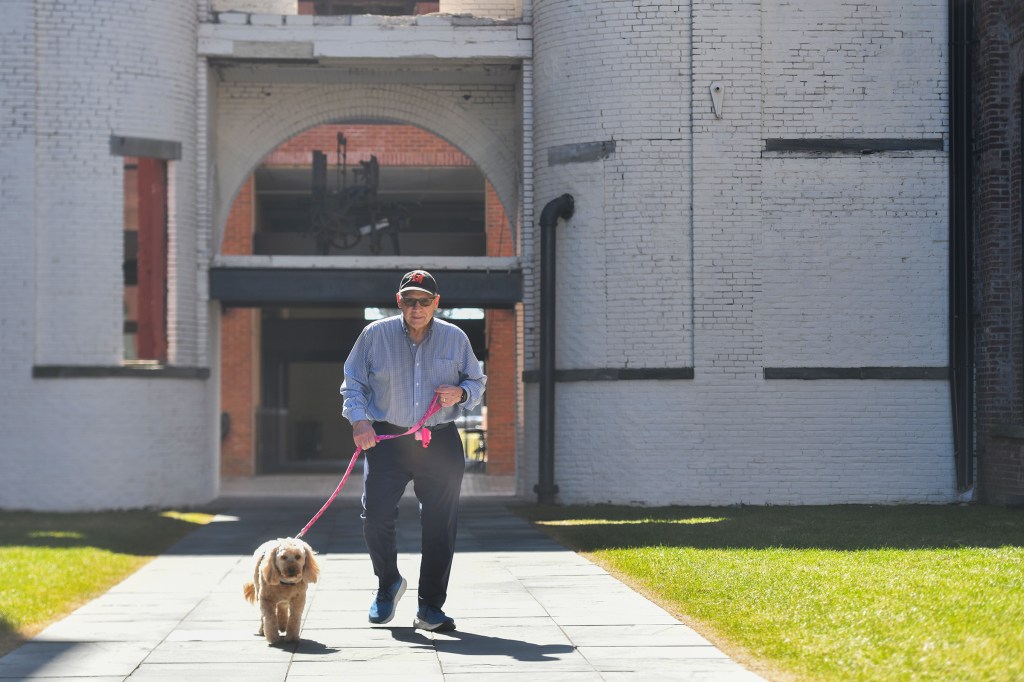
Tony Cantafio lives near downtown Scranton, but not too close. He could walk to work, but usually drives the three-minute commute. His landlord approves of his rescue dog, a Goldendoodle named Maggie. Cantafio no longer shovels snow or has grass to cut.
Such is life at Lace Village in Scranton, a thriving residential complex of luxury apartments and townhouses built from the ruins of a shuttered lace factory campus about two miles outside center city.
“I do say I’m the self-proclaimed mayor of Lace Village. I kiddingly tell people if you need something, I’ll get right in the office for you,” joked Cantafio, who holds the more-official title of Scranton Lions Club 2021 Man of the Year.
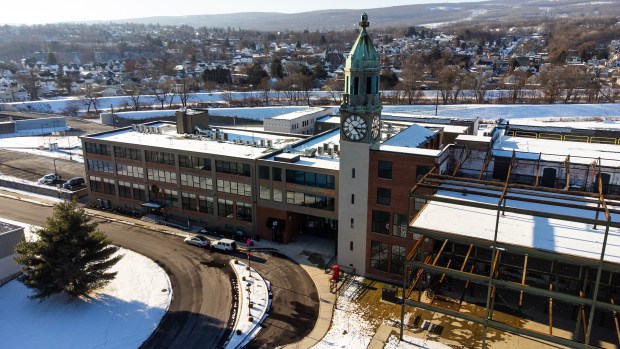 An aerial view of Lace Village in Scranton Thursday, Dec. 26, 2024. (SEAN MCKEAG / STAFF PHOTOGRAPHER)
Cantafio, former head football coach at Scranton Prep, where he still works part time at age 78, and his wife were the first tenants several years ago when the Lace Village property boasted more construction workers than residents.
At one time, the Scranton Lace Factory was the largest manufacturer of Nottingham Lace in the world with 34 hulking industrial buildings. Now, after a $50 million facelift, the property is attempting to become a world-class community within a community that compliments downtown Scranton and other neighborhoods.
The Scranton Lace Factory opened its historic campus in 1891. Following years of decline in the demand for lace, the business abruptly halted operations in August 2002.
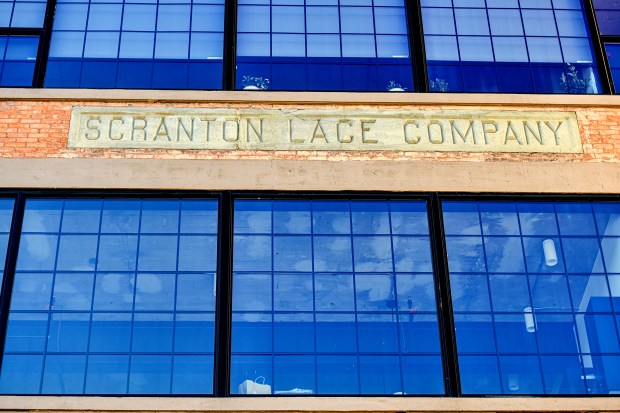 A sign of the former Scranton Lace Company is above the entrance to Lace Village Thursday, Dec. 26, 2024. (SEAN MCKEAG / STAFF PHOTOGRAPHER)
A team of investors and developers salvaged and restored eight of the buildings over 11 acres with an on-site salon, spa, yoga studio, and cafe along with a fitness center, athletic courts and premiere catering events venue. A permanent marketplace with 20 vendors is planned.
While the downtowns of Scranton and Wilkes-Barre largely define and shape the respective municipalities, the neighborhoods that spring from them are vitally important to the health of the municipality.
In Wilkes-Barre, for example, three major attractions along the Susquehanna River — the River Common, Kirby Park and Nesbitt Park, which has a boat launch — aren’t technically downtown but are “an extension of the downtown” and gateway to the West Side of the Wyoming Valley, said Larry Newman, executive director of the Diamond City Partnership economic group, which promotes downtown Wilkes-Barre.
For years, leaders in Wilkes-Barre have been trying to incorporate the Susquehanna River as an asset rather than a flooding threat. The 13-mile walking trail is a recreational opportunity atop a levee that protects the community from flooding.
The Market Street Bridge that connects Wilkes-Barre and Kingston, which is on the National Register of Historic Places, is a recreational opportunity in itself with its wide sidewalks, Newman said.
“People think about it particularly as a vehicular bridge, but that bridge probably has more pedestrian and bike traffic than any other in the region,” Newman said, noting Wilkes University has athletic fields on the West Side of the bridge.
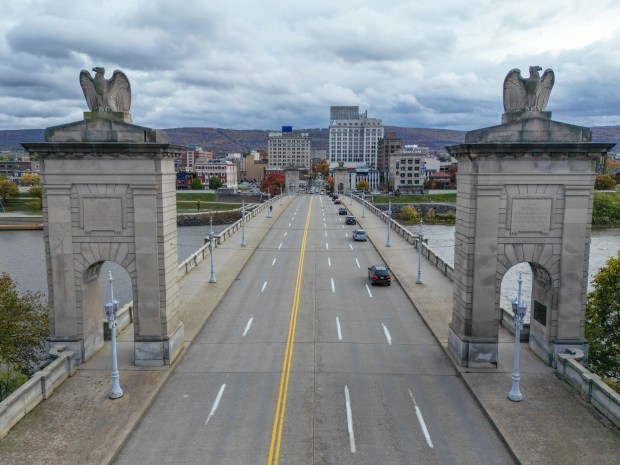 The Market Street Bridge and a view of Downtown Wilkes-barre on Friday, Oct. 31, 2025. (JASON ARDAN / STAFF PHOTOGRAPHER)
From country to city dwellers
Cantafio and his wife lived in a house they built in Dunmore for 35 years. Then they moved to Jefferson Twp. near Moosic Lake, where they built a house and lived for 16 years.
Then city life came calling.
“We had a nice piece of land and a big home. But living up there, the winters are a little tougher with the snow and ice. When we saw this, I told my wife about it and decided to make the move. We very much feel at home, comforted and secure,” Cantafio said. “You used to have a big house and there are a lot of other big houses around, but people run their own lives and you hardly see anyone. Here, you never know, you might see a neighbor from down the hall – or the neighbors from the townhouses, we call them the townies. Dogs are allowed, too, so you are always seeing dogs. We are getting ready to go to a yoga class in our old age.”
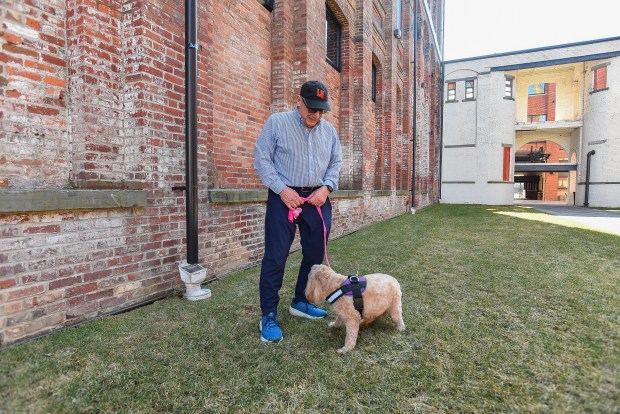 Long-time resident of Lace Village in Scranton Tony Cantafio interacts with his dog Maggie outside of the complex Tuesday, March 10, 2026. (SEAN MCKEAG / STAFF PHOTOGRAPHER)
Cantafio still works part time at Scranton Prep, which is about a mile away. He argues he could make the walk, but drives because there is an incline that is a nuisance.
“It’s nice being close to everything. There’s a big shopping center off Green Ridge Street a couple blocks away. I walked there today because it was nice out. There’s a super market, a drug store, a state store. There’s a pizza place. There’s everything you need within walking distance,” Contafio said
And still, Lace Village life is close enough to the downtown, he said.
“When they had the lighting of the radio tower and the fireworks, we could see them vividly,” Cantafio said. ”We could see Montage on a clear day.”
Business follows residential
Developer John Basalyga, of The Basalyga Group, has investigated heavily in Scranton, Wilkes-Barre and the region in general with various retail, residential and hospitality endeavors.
There is a synergy that comes in phases, Basalyga said.
He said the first phase is attracting residents to a particular area, which will attract shops and businesses in a second phase. Then bigger businesses in a third phase.
“If there’s no foot traffic, who wants to open a business?” Basalyga said. What’s really happening in the downtowns is the people are willing to live downtown. People are looking to live downtown if they have the amenities,” Basalyga said. “The downtown is the nucleus of an area. Scranton is the nucleus of our whole area. If that is doing well, everything else should do well.”
 Developed John Basalyga discusses development and some of his properties in the 100 block of Wyoming Avenue in downtown Scranton on Tuesday, June 10. (CHAD SEBRING/STAFF PHOTO)
Basalyga famously purchased Marketplace at Steamtown and tried to change the business model of the downtown facility. He has more than 400 residential units in his portfolio with more than 80 under construction. He operates a network of local restaurants. In recent years, he branched out into Wilkes-Barre, acquiring the former Stegmaier mansions on Franklin Street and a former downtown bank building he plans to convert into a restaurant.
Wilkes-Barre Councilman Tony Brooks, director of the Wilkes-Barré Preservation Society, said the walkability of downtown Wilkes-Barre makes it a good place to live and do business.
“We’ve spent more than twenty years fighting to keep downtown Wilkes-Barre’s architectural fabric intact, not for sentimentality, but because we knew that vitality follows beauty. The cities that preserved their downtowns are the cities people are moving back to. That’s why, in part, the residential population of downtown Wilkes-Barre has increased over the past decade,” Brooks said. “People like walkability, trees and great architecture. Franklin Street from Wilkes to King’s is a prime example.”

An outdoor patio on the upper level of Lace Village in Scranton looks out on some amenities for residents, such as pickleball and bocce ball courts and a fire pit Tuesday, March 10, 2026. (SEAN MCKEAG / STAFF PHOTOGRAPHER)
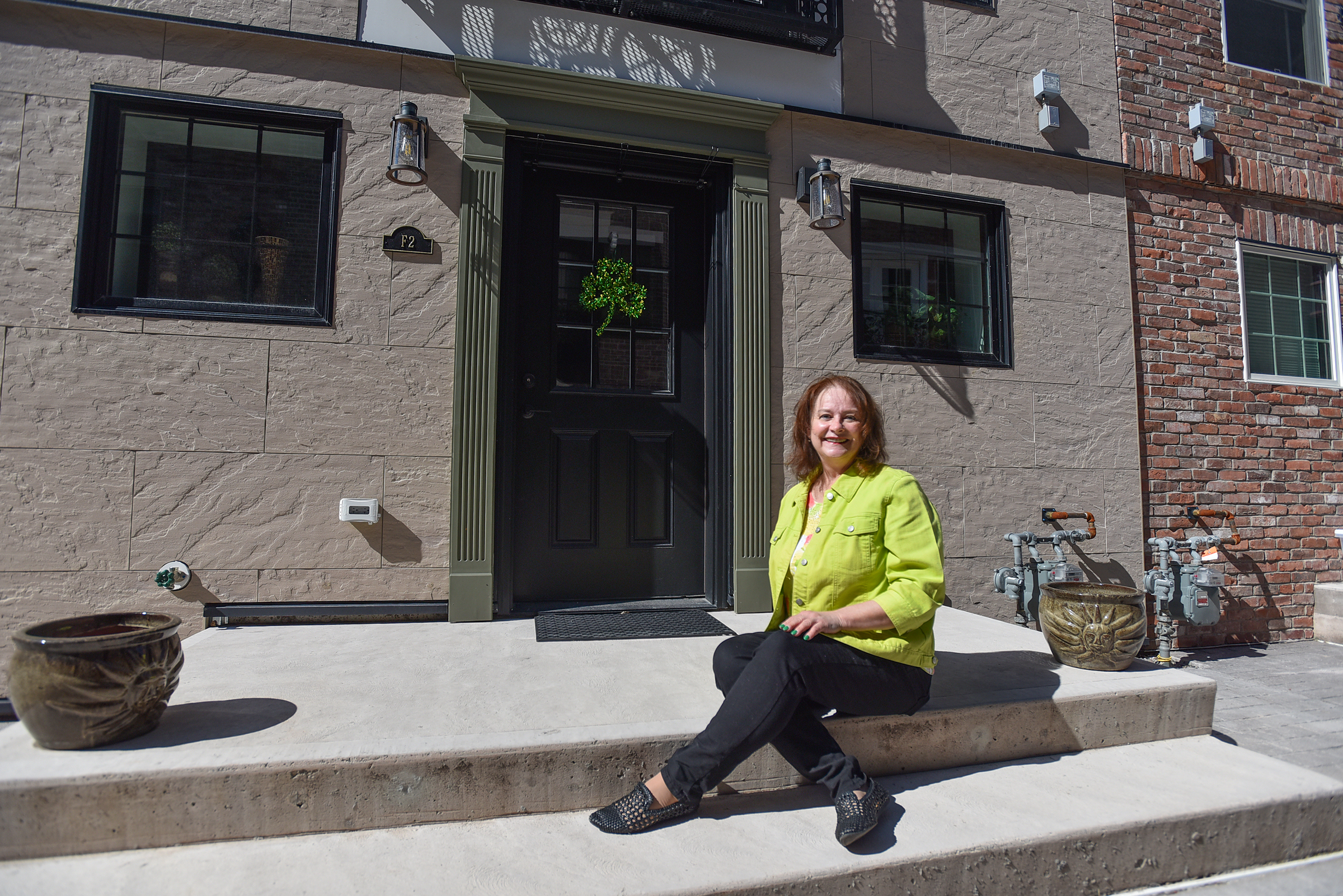
Resident Debbie Schrader sits in front of her townhouse in the Lace Village in Scranton Tuesday, March 10, 2026. (SEAN MCKEAG / STAFF PHOTOGRAPHER)
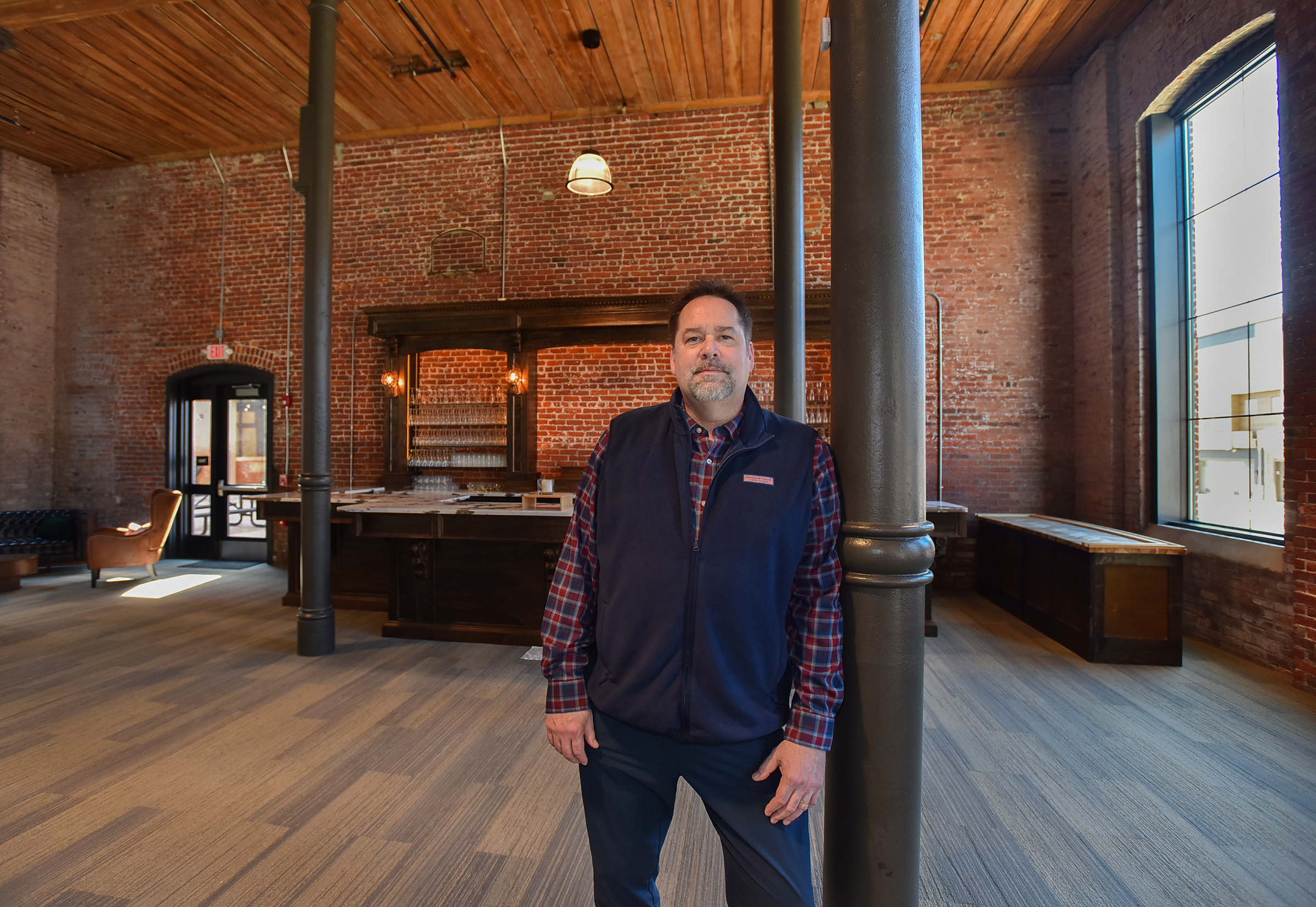
Lace Village property manager Michael Basalyga stands for a photograph in the reception hall of Lace Village in Scranton Tuesday, March 10, 2026. (SEAN MCKEAG / STAFF PHOTOGRAPHER)

A former production area of the former Scranton Lace Factory has been turned into an event space in the Lace Village. (SEAN MCKEAG / STAFF PHOTOGRAPHER)

The clock tower stands as a memorable relic of the history of the former Scranton Lace Company, now the Lace Village in Scranton. (SEAN MCKEAG / STAFF PHOTOGRAPHER)
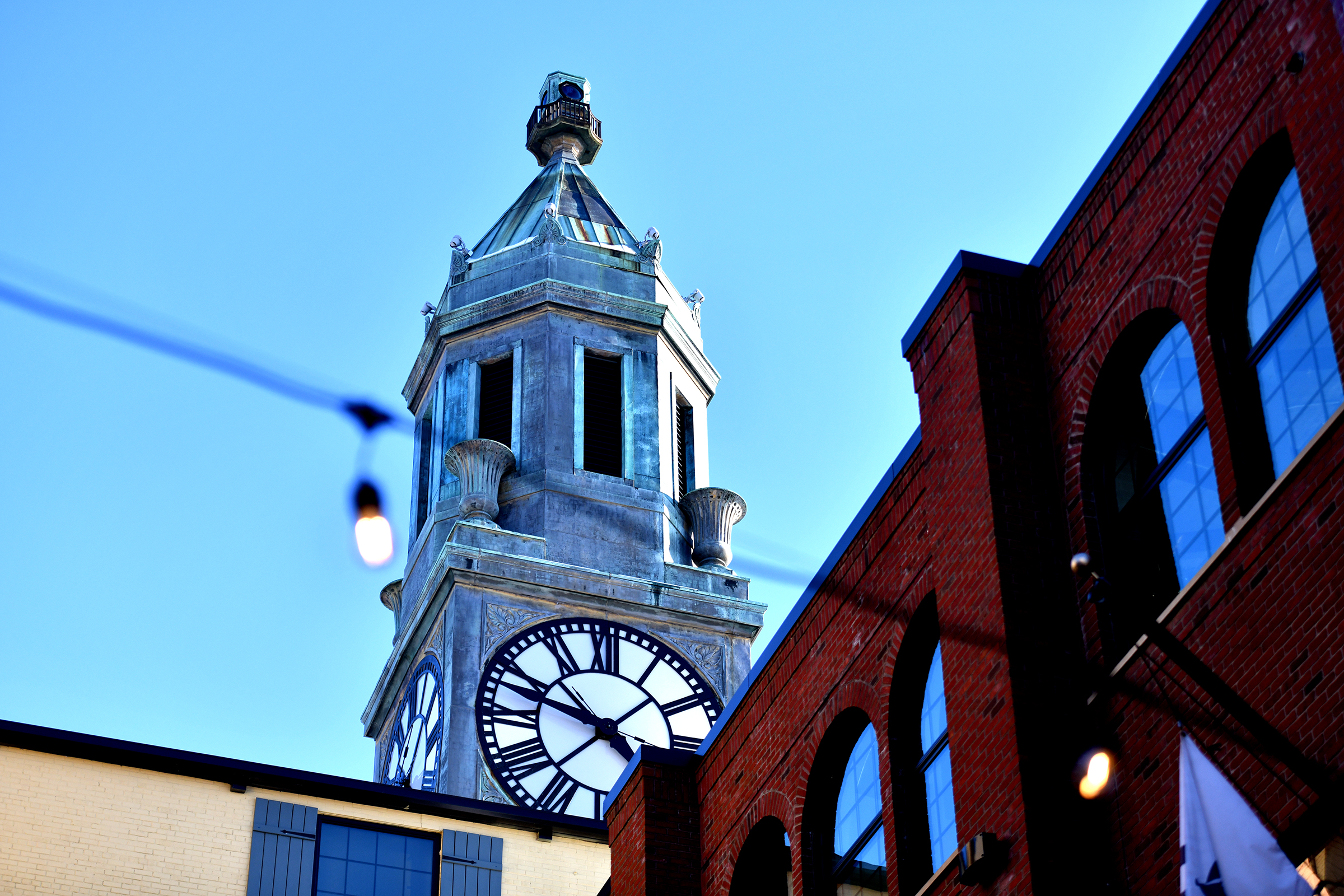
The clocktower is seen from the Lace Village Nottingham Square Thursday, Dec. 26, 2024. (SEAN MCKEAG / STAFF PHOTOGRAPHER)
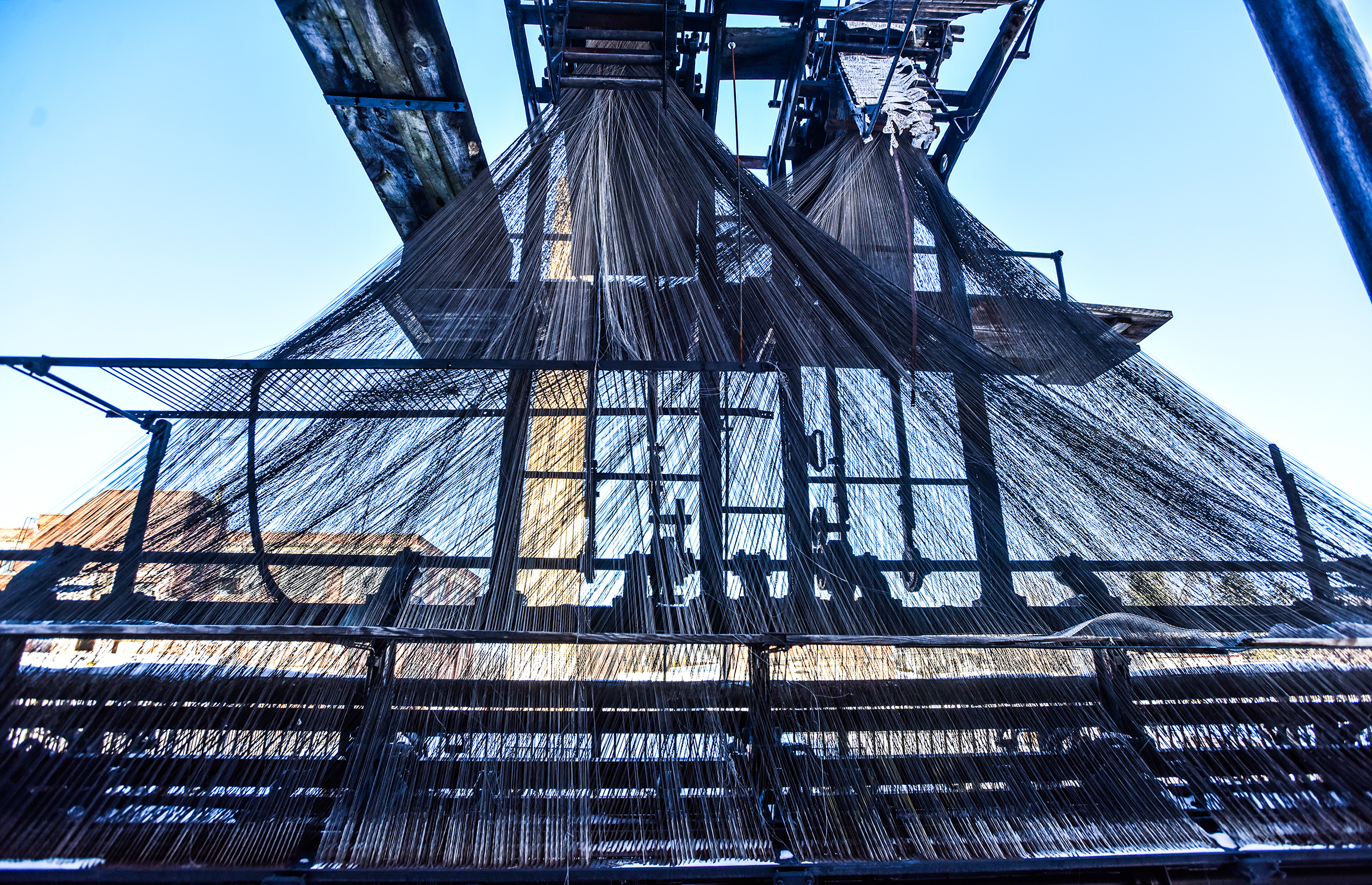
A loom used in the production of lace is on display at the Lace Village Thursday, Dec. 26, 2024. (SEAN MCKEAG / STAFF PHOTOGRAPHER)
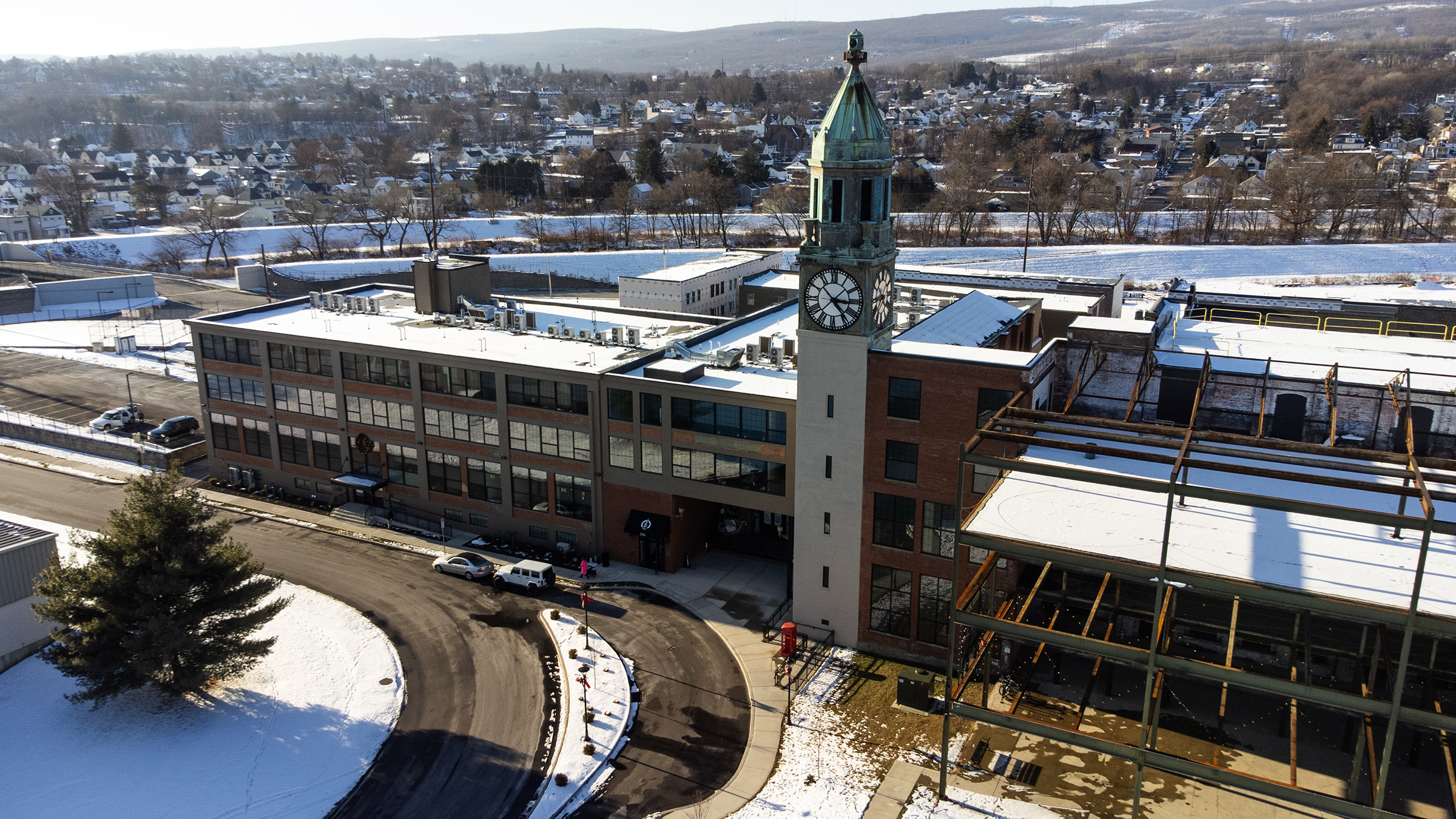
An aerial view of Lace Village in Scranton Thursday, Dec. 26, 2024. (SEAN MCKEAG / STAFF PHOTOGRAPHER)
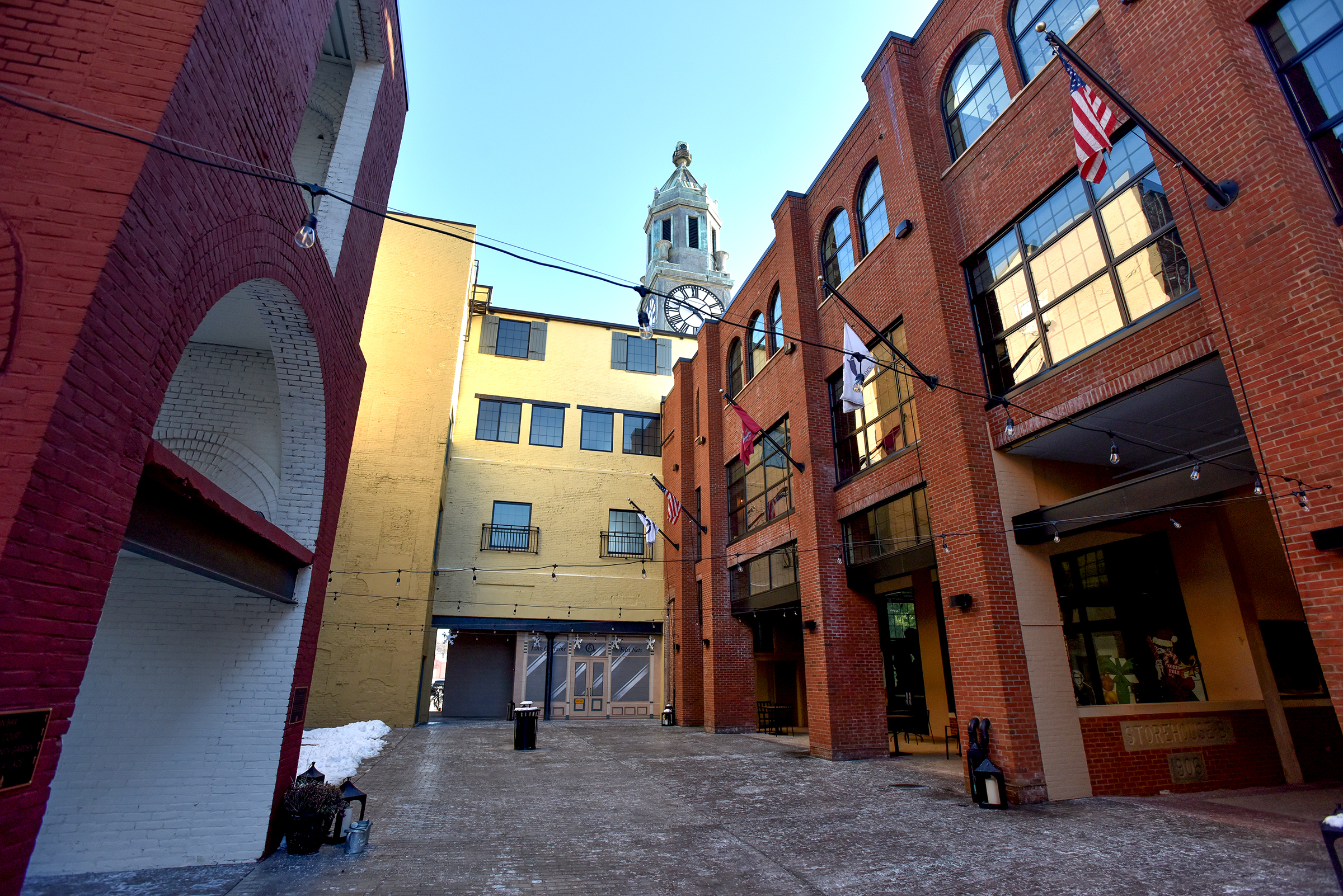
The Lace Village Nottingham Square Thursday, Dec. 26, 2024. (SEAN MCKEAG / STAFF PHOTOGRAPHER)
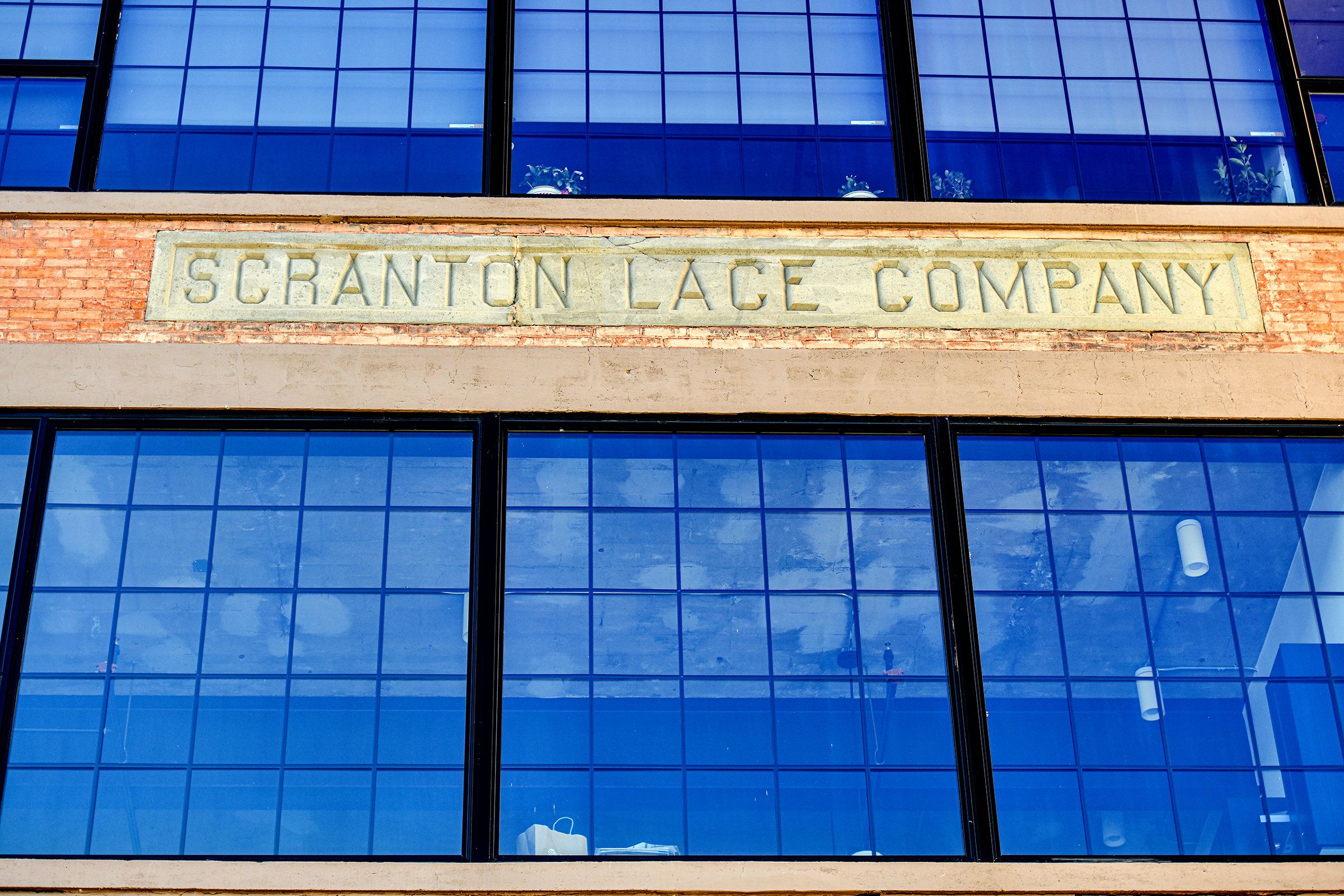
A sign of the former Scranton Lace Company is above the entrance to Lace Village Thursday, Dec. 26, 2024. (SEAN MCKEAG / STAFF PHOTOGRAPHER)

Long-time resident of Lace Village in Scranton Tony Cantafio walks his dog Maggie through the complex Tuesday, March 10, 2026. (SEAN MCKEAG / STAFF PHOTOGRAPHER)

Long-time resident of Lace Village in Scranton Tony Cantafio interacts with his dog Maggie outside of the complex Tuesday, March 10, 2026. (SEAN MCKEAG / STAFF PHOTOGRAPHER)
Show Caption
1 of 12
An outdoor patio on the upper level of Lace Village in Scranton looks out on some amenities for residents, such as pickleball and bocce ball courts and a fire pit Tuesday, March 10, 2026. (SEAN MCKEAG / STAFF PHOTOGRAPHER)