
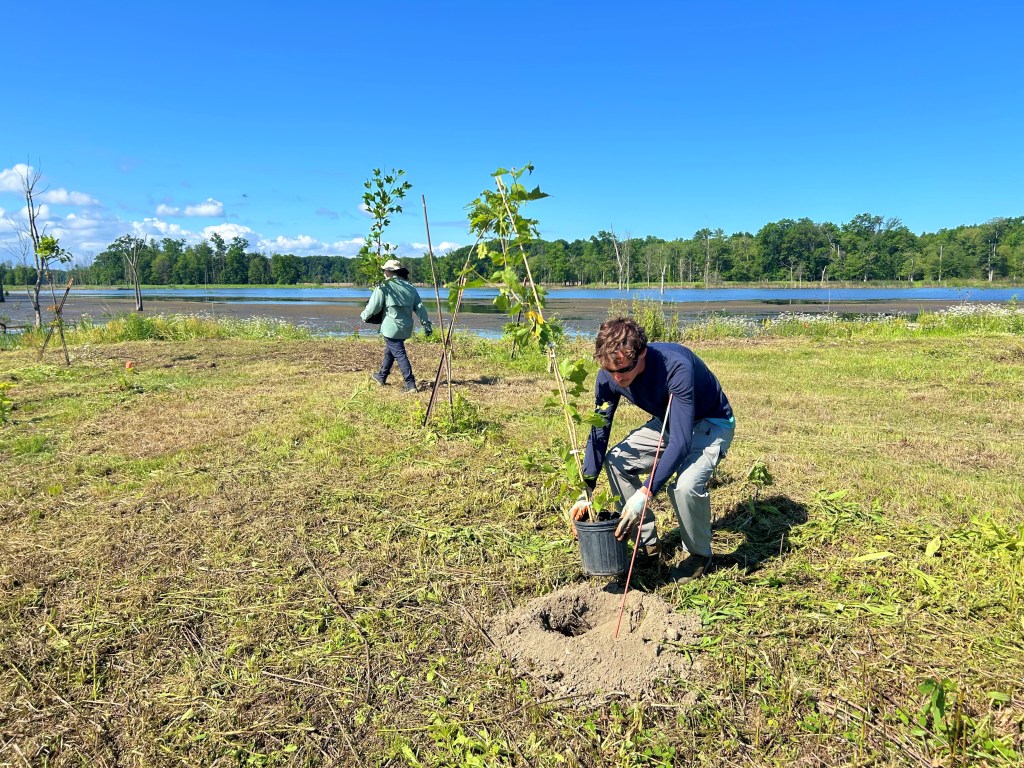
The continued restoration at the Mentor Marsh State Nature Preserve will receive funding from the Cleveland Museum of Natural History, which has received a $750,000 Lake Erie Community Grant from the Ohio Lake Erie Commission to support the project.
According to a news release, the project will help restore hydrology and native plant communities within the Marsh while enhancing hundreds of acres of critical coastal habitat.
“Mentor Marsh is one of Northeast Ohio’s great ecological treasures, and this investment by the Ohio Lake Erie Commission will help us continue the long-term work of restoring and sustaining this extraordinary landscape to benefit both biodiversity and the surrounding community,” said museum President and CEO Sonia Winner,
The museum’s three-year Mentor Marsh Restoration project, which was selected from among 11 applications, will build on more than a decade of conservation work at the State Nature Preserve, the release stated.
Since 2015, the museum and its partners have removed more than 1 billion stalks of invasive Phragmites australis and planted 324,000 native plants.
Following these major restoration efforts, Mentor Marsh is now home to 180 native plant species, 259 bird species and 26 state-listed rare plant and animal species.
“Ohio is home to abundant, beautiful natural resources, including Mentor Marsh State Nature Preserve,” Ohio Gov. Mike DeWine said. “We have invested significantly into restoring wetlands across Ohio because we know the important role they play in improving water quality and conserving native habitat. I am grateful to the Cleveland Museum of Natural History for prioritizing this impactful water quality project.”
Mentor Marsh is Ohio’s largest remaining “undiked” coastal marsh — a wetland that is open to natural water flows, rather than being managed or restricted by man-made barriers.
The newly funded project is designed to strengthen the marsh’s long-term ecological health through several coordinated strategies, including intensive removal of invasive hybrid cattail, ongoing invasive species management across the marsh basin, restoration of the Blackbrook Creek delta and installation of beaver dam analogs to help raise and maintain water levels, according to the release.
“The city of Mentor commends the extraordinary efforts that Cleveland Museum of Natural History has committed to the restoration of the Mentor Marsh,” Mentor Communications Officer Ante Logarusic said. “The monumental task of eradicating the phragmites and reintroducing native plant species has helped this ecosystem rebound and attract a variety of insects, birds, fish and mammals as well over the past decade.”
“Their important work has shown that damage is not necessarily irreversible,” he added.
The project proposes invasive species control across the 801-acre marsh basin, repeated treatment of 138 acres containing the largest remaining stands of hybrid cattail, restoration of 2.5 acres of wetland habitat at the mouth of Blackbrook Creek and installation of beaver dam analogs along 5,700 linear feet of channelized canal to support wetland function.
Beaver dam analogs imitate beaver dams, utilizing natural materials to divert water flow and retain stormwater to ensure water levels are sufficient to support native wetland plant communities.
“This project demonstrates the power of partnership in restoring Ohio’s largest natural flowing marsh while creating meaningful opportunities for community engagement and environmental education. Together, these efforts will deliver lasting ecological benefits and strengthen the connection between the Marsh and community,” said Joy Mulinex, Executive Director of the Ohio Lake Erie Commission.
In addition to habitat restoration, the grant will support education, workforce development, and community engagement.
The museum plans to host 150 kindergarten through 12th-grade students for Great Lakes-focused environmental education programs at Mentor Marsh and recruit 12 seasonal staff positions with an emphasis on hiring local college students, according to the release.
“The work that the city has done in the adjoining Mentor Lagoons Nature Preserve including the construction of the new observation tower helps provide access to this important ecological attraction,” Logarusic said. “The city is proud of our spirit of cooperation that’s in place with partner agencies to protect and preserve the marsh for the enjoyment of the public for generations to come.”