
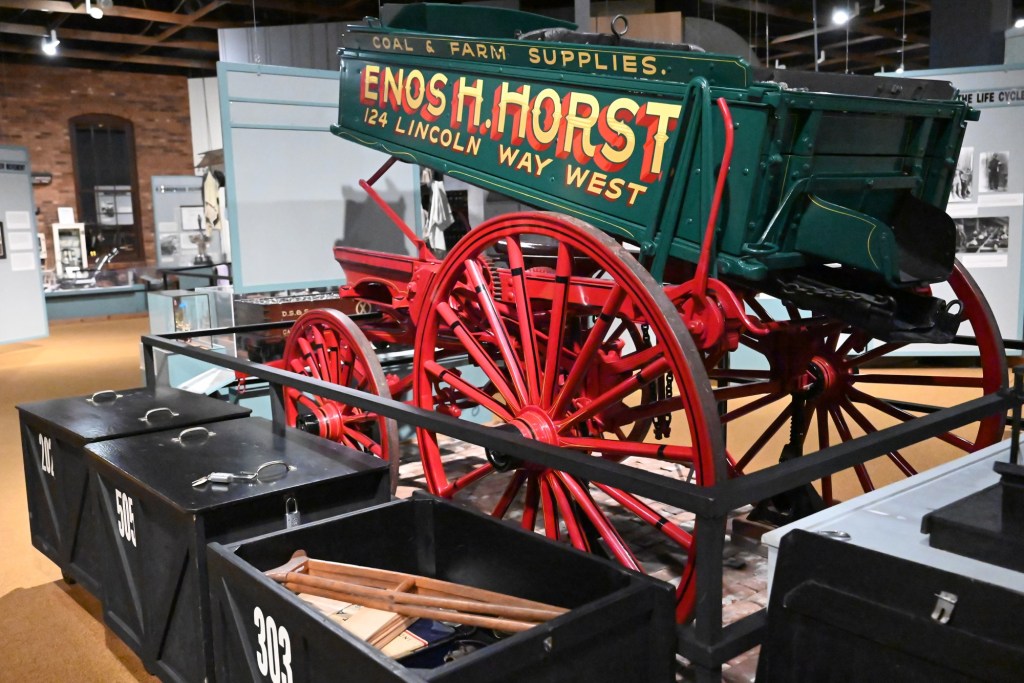
SCRANTON — When coal was king, Northeast Pennsylvania miners often had only each other to turn to after an accident. A new hands-on program at the Pennsylvania Anthracite Heritage Museum will explore that legacy on Mine Rescue Day, Saturday, April 11.
Presenters will also offer a look at today’s methods. Fire rescue trucks will be on site and a Johns Hopkins University neurosurgeon will show how head trauma care has advanced.
“Medical history has a deep, deep connection to the anthracite industry, the anthracite region,” said Chris Stokum, an educator at the McDade Park museum. “The museum here has one of the largest collections of medical artifacts in the entire state museum system, which is not something that is top of people’s minds when they come to the museum. But if you think about the prevalence of injury hazard, bodily harm in the anthracite industry, it makes a certain amount of sense.”
Mine Rescue Day will be family friendly and is aimed at all ages. It is intended to appeal to people interested in medical history in general, in addition to mining history.
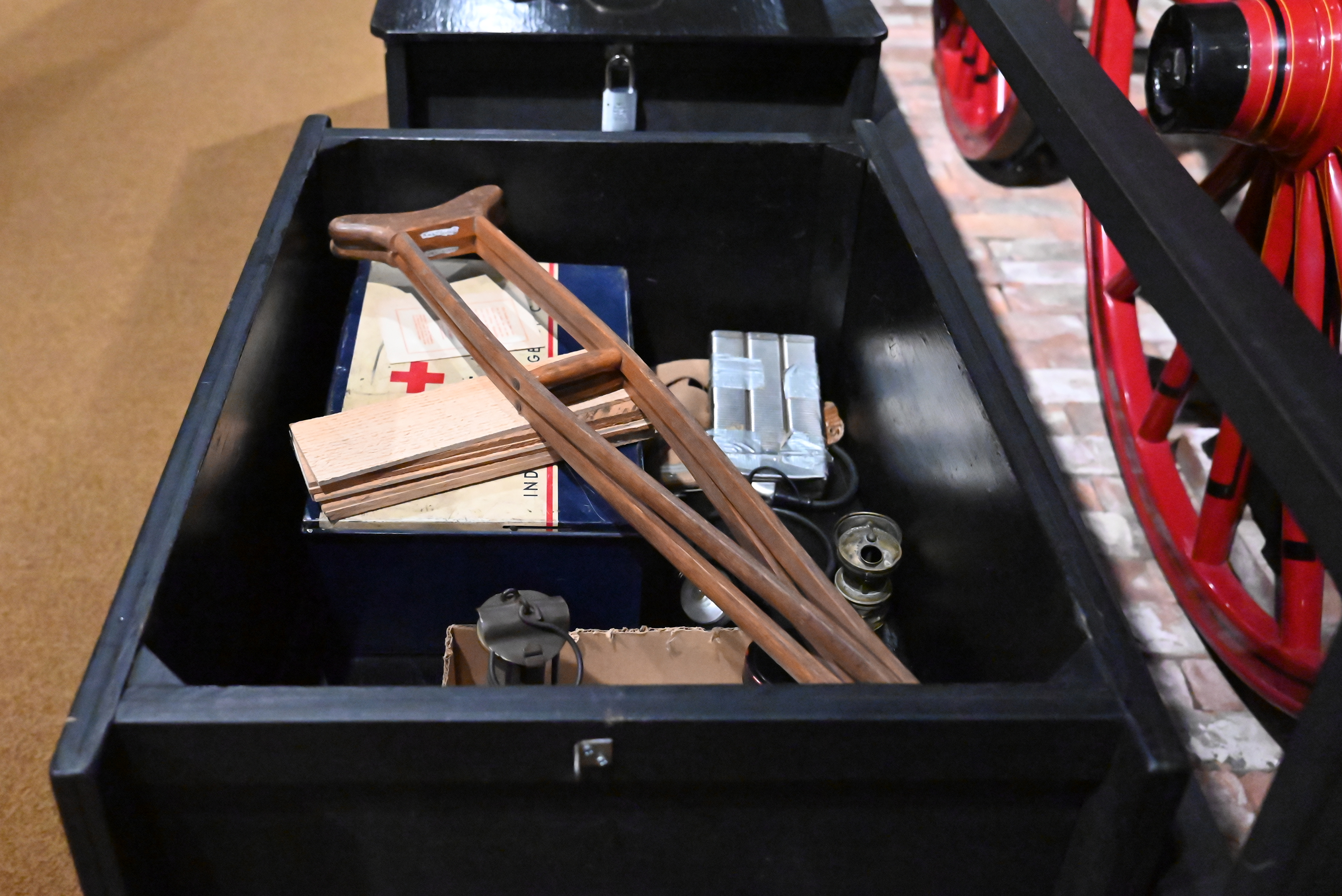
A crate of first aid equipment at the Anthracite Heritage Museum in Scranton on Thursday, March 26, 2026. (REBECCA PARTICKA/STAFF PHOTOGRAPHER)
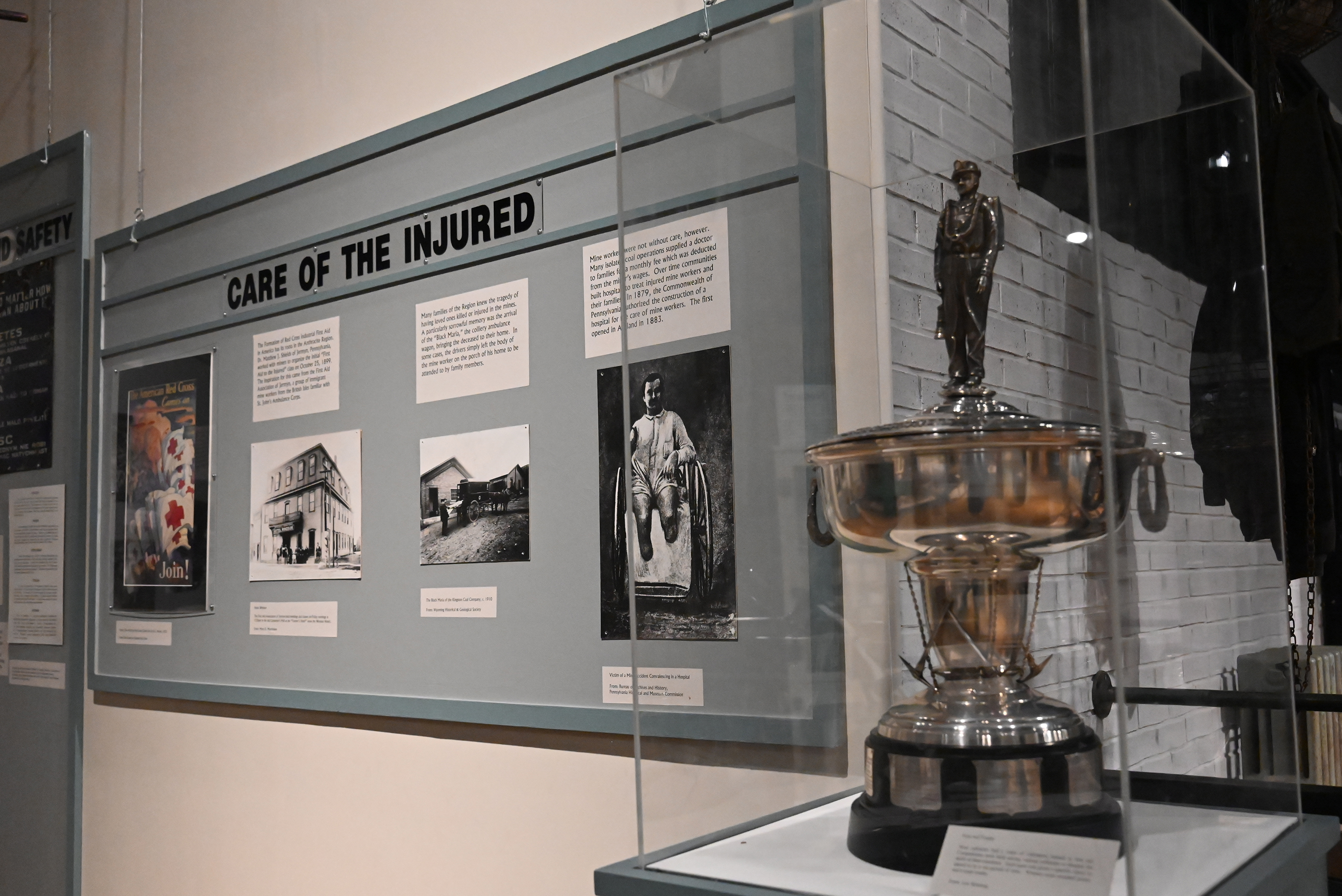
A first aid competition trophy on display at the Anthracite Heritage Museum in Scranton on Thursday, March 26, 2026. (REBECCA PARTICKA/STAFF PHOTOGRAPHER)
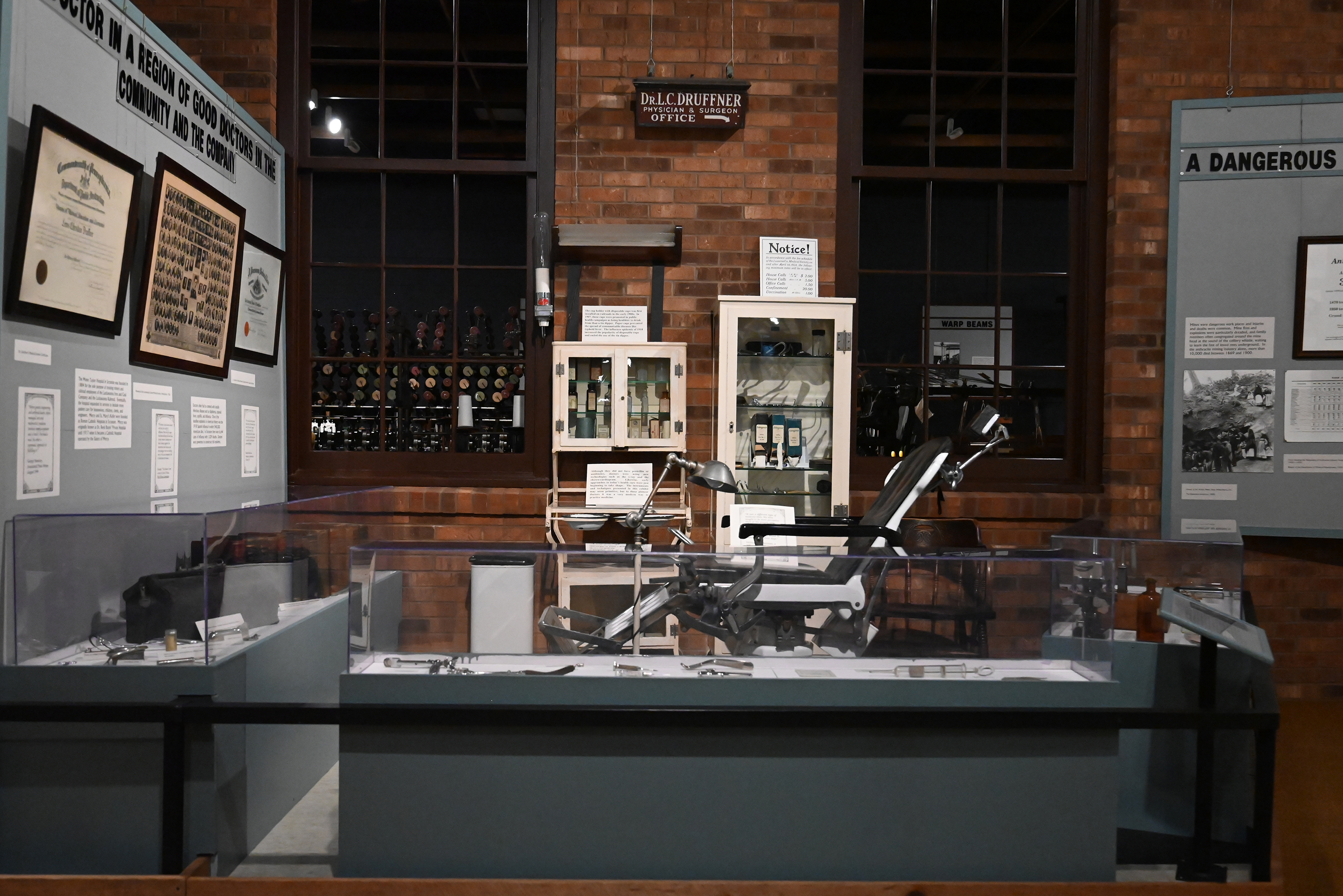
Medical equipment on display at the Anthracite Heritage Museum in Scranton on Thursday, March 26, 2026. (REBECCA PARTICKA/STAFF PHOTOGRAPHER)
Show Caption
1 of 3
A crate of first aid equipment at the Anthracite Heritage Museum in Scranton on Thursday, March 26, 2026. (REBECCA PARTICKA/STAFF PHOTOGRAPHER)
It runs from 11 a.m. to 3 p.m. and is included in the regular museum admission. General admission tickets are $7, with lower prices for children and seniors, and free admission for active duty military and their immediate family.
Beginning around 1850 through the present, there were about 30,000 deaths in the coal mines of Northeast Pennsylvania and the surrounding area, with hundreds of thousands of injuries, Stokum said. While there is still some mining, the Knox Mine disaster of 1959 is often considered the end of the era.
Mine owners made a short, silent safety movie in 1915 that will be shown continuously. It focused on the dangers of drinking. “Which is something you see pretty consistently in the early history of the region, you know, the onus of responsibility for a miner’s health is on the miner and not necessarily on their employer,” Stokum said. “Which is where you get the introduction of industrial first aid.”
Writer Bill Conlogue will give a 1 p.m. talk about workers’ compensation and community response after the 1911 Pancoast Colliery fire in Throop. Drawing on museum ledgers, he’ll show how the widows and orphans fared. The fire orphaned 123 children. Over 70 immigrant miners died. Reports of how many vary.
Attendees will be able to handle artifacts such as mining lamps and perhaps medical tools. They can practice splinting techniques based on a 1915 manual.
In 1899, miners in Jermyn collaborated with Dr. Matthew Shields to develop a program of underground aid techniques. He eventually moved on to the American Red Cross and headed up an industrial first-aid unit.
Teams of miners competed in first-aid competitions for decades. The museum has an engraved trophy.
These were innovators, Stokum said: “They were placed in impossible circumstances and had to figure out with very limited resources how they could get in and get out of the mines as safely as possible.”
The Scranton and Throop fire departments are sending vehicles — the same ones that are used to respond to a modern mine subsidence or fire. “All these things are still sort of active in the community,” Stokum said.
The website is anthracitemuseum.org.
Next door, the Lackawanna Coal Mine Tour will be open, with separate admission.
If you go
What: Mine Rescue Day, a hands-on event focused on disaster response and medical history.
Where: The Pennsylvania Anthracite Heritage Museum in McDade Park, Bald Mountain Road, Scranton.
When: Saturday, April 11, 11 a.m. to 3 p.m.
Details: The event is included in the regular museum admission.