
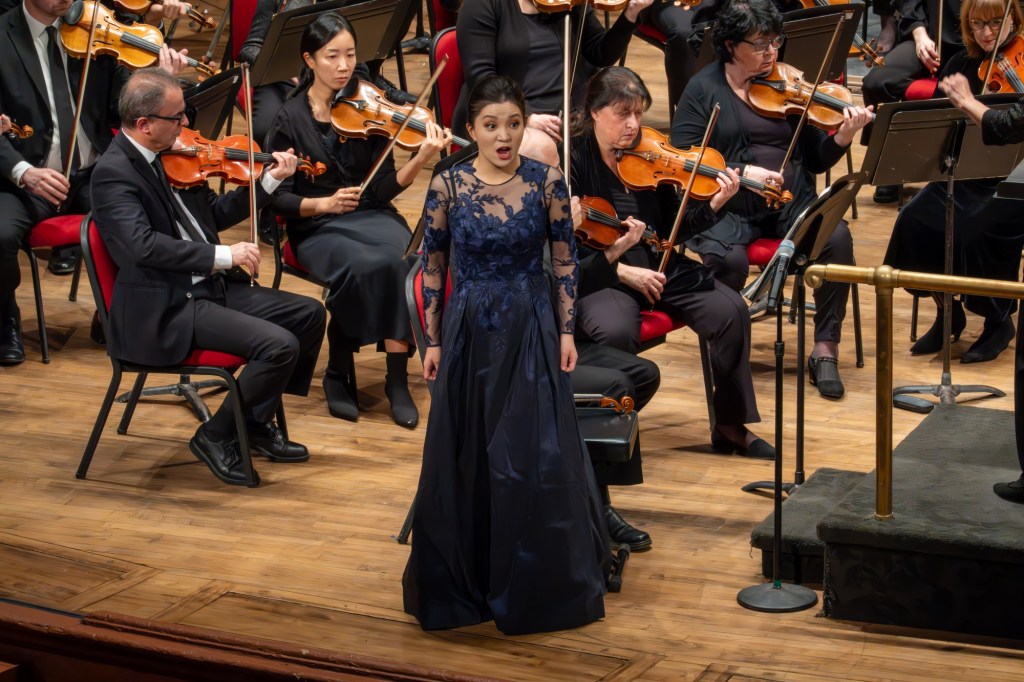
In an era when many regional arts organizations struggle to define their identity or justify their relevance, the Allentown Symphony stands as a living argument for why music matters, not merely as entertainment, but as an expression of civic pride, cultural vitality and artistic professionalism. Centered at historic Miller Symphony Hall, the Symphony has built a legacy extending well beyond its concert programs. It has helped shape the cultural identity of the Lehigh Valley and demonstrated that world-class artistry can thrive outside major metropolitan centers.
What elevates the Allentown Symphony above a typical regional orchestra is its unwavering commitment to professional standards. Its musicians are not hobbyists or occasional performers; they are rigorously trained artists with resumes reflecting national and international experience. Many are graduates of elite conservatories or seasoned educators who bring both mastery and passion to the stage. Their cohesion as an ensemble speaks to disciplined rehearsal, mutual respect and shared dedication.
Leadership plays a pivotal role in this success. Under Maestro Diane Wittry, the Symphony maintains an artistic vision rooted in excellence and innovation. Her programming balances the great symphonic traditions with contemporary works that attract new audiences. She conducts not only with precisionbut with interpretive intelligence that elicits nuance and vitality. Her presence has cultivated a culture in which professionalism is the baseline, not the aspiration.
Equally important is the Symphony’s role as a cultural anchor in the Lehigh Valley. Its presence enriches not just Allentown but neighboring communities whose residents view the Symphony as their own. At a time when smaller cities often lose talent and attention to nearby cultural giants like Philadelphia or New York, the Allentown Symphony proves that exceptional music need not be imported, it can be grown and sustained locally by institutions that understand their mission and audience.
Miller Symphony Hall contributes to the Symphony’s distinctive identity. The hall is a piece of living history, a beautifully restored venue blending architectural grandeur with acoustic warmth. To attend a concert there is to participate in something both timeless and intimate. The hall is not merely a setting; it is a symbol of what a community can achieve when it invests in the arts with seriousness and pride.
The Symphony’s community impact extends beyond performance. Its educational initiatives introduce young people to the power of live music, building the next generation of artists and supporters. Youth concerts, school partnerships, masterclasses, and outreach events expose children and teens to instruments and repertoire they might otherwise never encounter. These programs aren’t decorative extras; they are essential investments in cultural continuity and civic imagination.
The Symphony also plays an irreplaceable role in regional economic vitality. Concert evenings draw patrons to downtown restaurants, shops, and hotels. Visitors who attend performances often discover Allentown’s revitalized arts district, lending credibility to broader efforts to strengthen the city’s cultural and commercial corridors. Local businesses benefit from the Symphony’s presence, and the Symphony benefits from a community that recognizes the arts as an engine of renewal as much as reflection.
What sets the Symphony apart is its dual identity as both guardian of tradition and laboratory for artistic growth. Its repertoire choices demonstrate that classical music is not static. Collaborations with contemporary composers and featured soloists infuse its seasons with fresh energy and relevance. Holiday performances, film-with-orchestra events, and special tributes provide connection points for audiences new to orchestral music. Inclusivity and excellence are not competing values here; they are complementary goals achieved through careful planning and vision.
Professionalism is also evident behind the scenes. From engineers and production staff to administrators and volunteers, the organization operates with the competence of a major institution. Grant writing, donor relations, marketing and community partnerships require the same rigor as performing a Mahler symphony. The Symphony’s board and staff understand that sustainability depends on both artistic brilliance and organizational discipline. The result is a stable institution resilient enough to weather economic fluctuations and cultural headwinds (though philanthropy remains essential to sustaining this Lehigh Valley gem).
Most significantly, the Allentown Symphony contributes to the emotional and spiritual life of the region. Live symphonic music provides a rare kind of communion, one that transcends background, politics and generation. In the hush before a downbeat, in the unified swell of strings or a perfectly timed brass entrance, there is a reminder that human creativity can still inspire awe. For many, the Symphony offers moments of beauty in a world that often feels chaotic.
The cultural value of the Allentown Symphony cannot be measured solely in ticket sales or budgets, though its fiscal responsibility and attendance are impressive. Its worth lies in its ability to elevate the everyday. The Symphony enriches the identity of Allentown and the Lehigh Valley by demonstrating that culture is not a luxury, but a defining characteristic of a civilized society.
At a time when arts funding is precarious and cultural organizations compete for attention in an overstimulated world, the Allentown Symphony stands as both an argument and an example: great music belongs everywhere. Its professionalism sets a standard; its cultural presence shapes a region. I urge those reading this to support the Allentown Symphony not only by attending concerts, but by financially sustaining this intellectual and artistic pillar of our community.
This is a contributed opinion column. Tom Whalen is a retired physician and former member of the Board of the Allentown Symphony Association. The views expressed in this piece are those of its individual author, and should not be interpreted as reflecting the views of this publication. Do you have a perspective to share? Learn more about how we handle guest opinion submissions at themorningcall.com/opinions.