
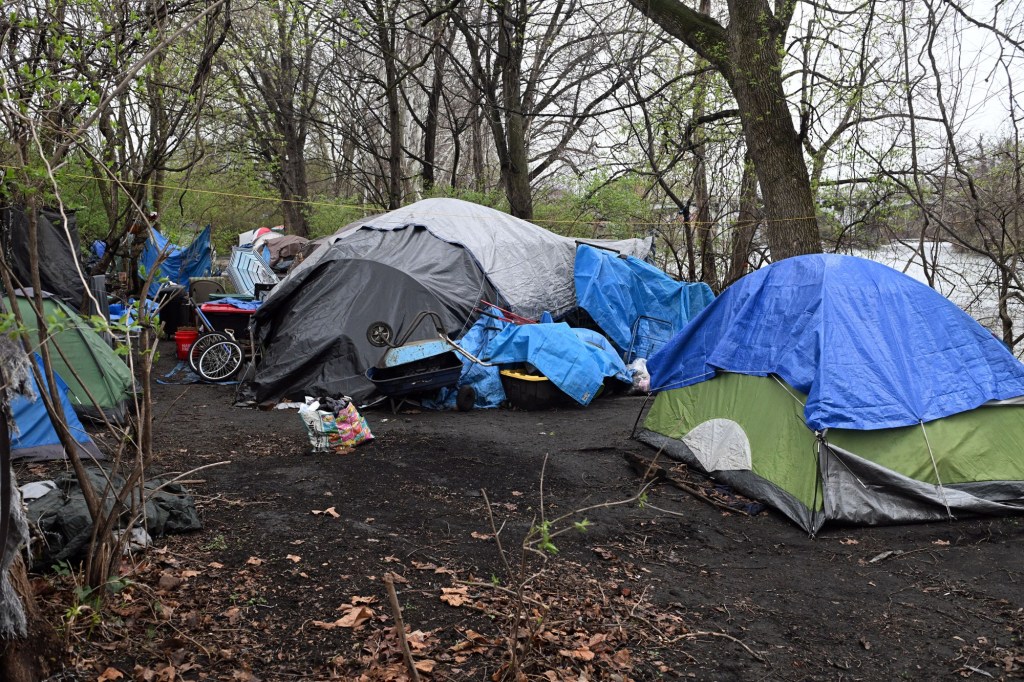
A recent count done throughout Berks County shows that homelessness has increased in the county by about 8% in a year.
The Berks Coalition to End Homelessness performed its annual “point-in-time” count on Jan. 28. It found 743 people experiencing homelessness, up from the 682 identified in the 2025 count.
The count is required by the U.S. Department of Housing and Urban Development and must be done during the last 10 days of January each year.
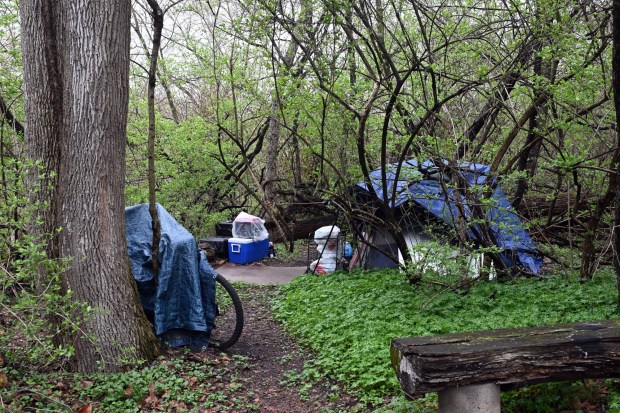 The count conducted by the Berks Coalition to End Homelessness found 734 people experiencing homelessness, 213 of whom were living unsheltered. (BILL UHRICH/READING EAGLE)
Elise McCauley, coalition assistant director, said that, along with meeting the federal requirement, the count serves to inform local officials.
“We use it locally as a gauge of what homelessness looks like in the community,” she said.
While the count isn’t a perfect encapsulation of homelessness — McCauley said it is impossible to identify every single person experiencing homelessness in a single count — it does provide a general picture of the problem.
And this year, that picture isn’t pretty.
Of the 734 people the count identified as experiencing homelessness, 213 were living unsheltered. That number — which includes people living on the street, in a tent or in a vehicle — is up from 179 recorded last year.
There were 420 people living in emergency shelters, this year’s count found, and 101 living in transitional housing.
McCauley said the count found a continuation of a recent trend of sharp increases in people experiencing homeless for the first time . A total of 77% of those included in the count were suffering homelessness for the first time, she said.
Other details from the count include that about 16% experiencing homelessness were under 18; 26% were older than 55; and 42 were veterans.
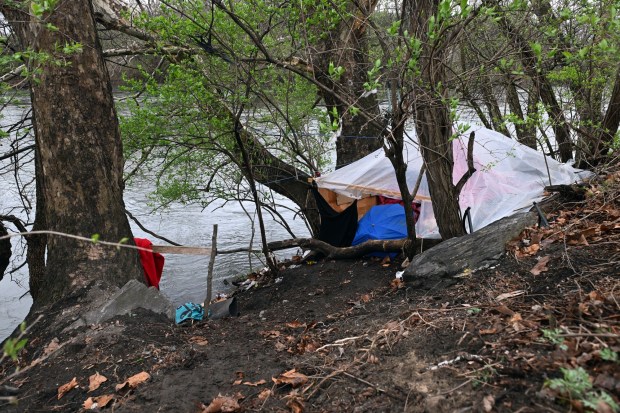 A Berks Coalition to End Homelessness official said the number of people who are living unsheltered exceeds the amount of assistance available across the county. (BILL UHRICH/READING EAGLE)
The count also found that about 53% of those experiencing homelessness have incomes.
“I think it comes down to, really, affordability,” McCauley said, saying that costs have risen across the board over the past six years. “People are having to choose where to put their money, and there’s not enough money for housing. What we’re seeing now compared to pre-COVID, it’s just not the same.”
McCauley also said the count shows that the number of people who are living unsheltered exceeds the amount of assistance available across the county.
“People think there are resources for people and people just don’t want them,” she said. “But that isn’t the case. We call organizations all the time looking for places for people and can’t get them in.
“There’s definitely more need than space available.”