
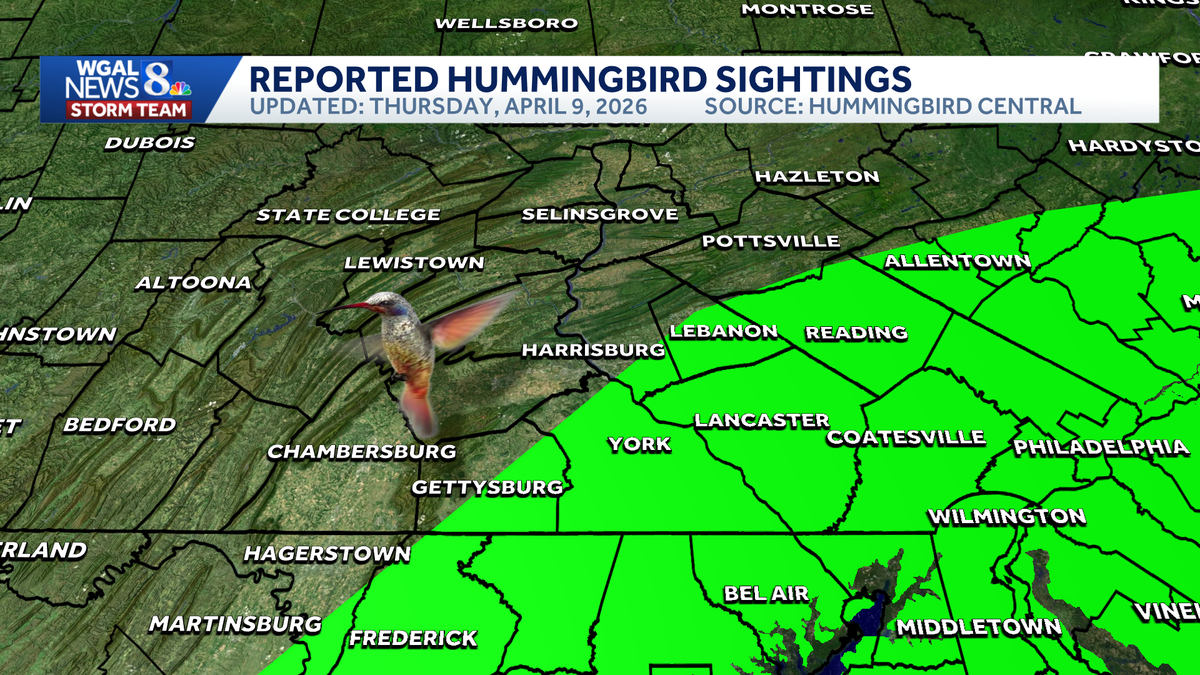
Hummingbirds are making their way back north for the spring, and their return is already underway across parts of the United States! Each year, these small but powerful birds migrate from their winter homes in Mexico, Central America, and the Caribbean, traveling thousands of miles to reach breeding grounds across the U.S. and Canada.When Hummingbirds ReturnSpring migration begins as early as late January, with the first hummingbirds arriving in the southern United States by February. From there, their migration steadily pushes north through the spring months. In Pennsylvania, hummingbirds typically begin arriving in April, with more birds appearing as the season progresses.How Far Hummingbirds TravelDespite their size, hummingbirds are capable of remarkable long-distance travel. They often migrate during the day, stopping frequently to feed. Some can even travel around 20 to 25 miles in a day. Then, during major crossings, such as the Gulf of Mexico, they can fly up to 500 miles nonstop! To prepare for these journeys, hummingbirds can increase their body weight by up to 40% to store enough energy for long flights.What Drives MigrationHummingbird migration is triggered by seasonal changes, especially increasing daylight and shifting food availability. As they move north, the birds rely heavily on nectar sources and will fly low to locate flowers and feeders. Favorable winds can also help them conserve energy along the way.How To Prepare For HummingbirdsWith the migration underway, now is the time to get ready for their return. Experts recommend putting out feeders early in the season, along with keeping feeders clean and filled with fresh nectar. Planting or maintaining nectar-rich flowers & avoiding pesticides that could harm birds or their food sources is also encouraged.Leaving feeders out early will not cause hummingbirds to arrive sooner, but it can help support the first arrivals as they move into the area.What To Watch For LocallyThe first hummingbirds to arrive are typically males, followed by females and younger birds in the weeks after. As migration continues, sightings will increase across Pennsylvania, especially as temperatures warm and more food sources become available.The Bottom LineHummingbirds are already making their spring migration north, and their arrival in Pennsylvania is expected in the coming weeks. Getting feeders ready now can help support these birds as they complete one of their most demanding journeys.
Hummingbirds are making their way back north for the spring, and their return is already underway across parts of the United States! Each year, these small but powerful birds migrate from their winter homes in Mexico, Central America, and the Caribbean, traveling thousands of miles to reach breeding grounds across the U.S. and Canada.
When Hummingbirds Return
Spring migration begins as early as late January, with the first hummingbirds arriving in the southern United States by February. From there, their migration steadily pushes north through the spring months. In Pennsylvania, hummingbirds typically begin arriving in April, with more birds appearing as the season progresses.
How Far Hummingbirds Travel
Despite their size, hummingbirds are capable of remarkable long-distance travel. They often migrate during the day, stopping frequently to feed. Some can even travel around 20 to 25 miles in a day. Then, during major crossings, such as the Gulf of Mexico, they can fly up to 500 miles nonstop! To prepare for these journeys, hummingbirds can increase their body weight by up to 40% to store enough energy for long flights.
What Drives Migration
Hummingbird migration is triggered by seasonal changes, especially increasing daylight and shifting food availability. As they move north, the birds rely heavily on nectar sources and will fly low to locate flowers and feeders. Favorable winds can also help them conserve energy along the way.
How To Prepare For Hummingbirds
With the migration underway, now is the time to get ready for their return. Experts recommend putting out feeders early in the season, along with keeping feeders clean and filled with fresh nectar. Planting or maintaining nectar-rich flowers & avoiding pesticides that could harm birds or their food sources is also encouraged.
Leaving feeders out early will not cause hummingbirds to arrive sooner, but it can help support the first arrivals as they move into the area.
What To Watch For Locally
The first hummingbirds to arrive are typically males, followed by females and younger birds in the weeks after. As migration continues, sightings will increase across Pennsylvania, especially as temperatures warm and more food sources become available.
The Bottom Line
Hummingbirds are already making their spring migration north, and their arrival in Pennsylvania is expected in the coming weeks. Getting feeders ready now can help support these birds as they complete one of their most demanding journeys.