
Officials in charge of purchasing and leasing vehicles for the city of Pittsburgh met Thursday and determined that leftover funds for the fleet will benefit firefighters.The Equipment Leasing Authority shared that the vast majority of what’s left in the fleet budget — $7.2 million — will go to the Bureau of Fire to order new vehicles.“We want to spend the vast majority of that on fire,” said Sharon Werner, chief operating officer and chair of the Equipment Leasing Authority. “The mayor obviously has been very committed to this and is happy that at this point we have such a significant fund to devote to fire.”Previous report >> Pittsburgh firefighters union calls for urgent fleet upgrades amid aging equipment concernsFire officials say Thursday’s news is a good start toward improving the city’s aging fleet.Ralph Sicuro, president of Pittsburgh Fire Fighters Local No. 1, is also hopeful that a stalled piece of proposed legislation could establish a more predictable funding source in the future.”That discussion needs to happen at council. They need to give revenue every year, a dedicated amount to this count to this L.A. board so that they can have predictable income to be able to spend appropriately,” Sicuro said.Pittsburgh’s Action News 4 reporter Kalea Gunderson was told that an annual order of four fire engines and two ladder trucks would be ideal to get the aging fleet up to the bureau’s standards. That would cost around $8 million each year.Eight of the city’s 12 ladder trucks and 14 of its 28 engines are currently considered past their useful life, and many of them are estimated to be taken out of service completely around the same time.Werner said there are some options for making the most of the money available.”If we want to buy all these vehicles outright, that’s one thing,” Werner said. “But if we want to lease these vehicles and be able to get more vehicles on the ground quicker, we’re going to look at that as well.”But that doesn’t change the build time.”Build time doesn’t change them or how much you do it. If the federal government gave us $100 million, it doesn’t build them any faster,” Werner said.Depending on the type of fire apparatus being ordered, Sicuro says the build time takes two to four years.
PITTSBURGH —
Officials in charge of purchasing and leasing vehicles for the city of Pittsburgh met Thursday and determined that leftover funds for the fleet will benefit firefighters.
The Equipment Leasing Authority shared that the vast majority of what’s left in the fleet budget — $7.2 million — will go to the Bureau of Fire to order new vehicles.
“We want to spend the vast majority of that on fire,” said Sharon Werner, chief operating officer and chair of the Equipment Leasing Authority. “The mayor obviously has been very committed to this and is happy that at this point we have such a significant fund to devote to fire.”
Previous report >> Pittsburgh firefighters union calls for urgent fleet upgrades amid aging equipment concerns
Fire officials say Thursday’s news is a good start toward improving the city’s aging fleet.
Ralph Sicuro, president of Pittsburgh Fire Fighters Local No. 1, is also hopeful that a stalled piece of proposed legislation could establish a more predictable funding source in the future.
“That discussion needs to happen at council. They need to give revenue every year, a dedicated amount to this count to this L.A. board so that they can have predictable income to be able to spend appropriately,” Sicuro said.
Pittsburgh’s Action News 4 reporter Kalea Gunderson was told that an annual order of four fire engines and two ladder trucks would be ideal to get the aging fleet up to the bureau’s standards. That would cost around $8 million each year.
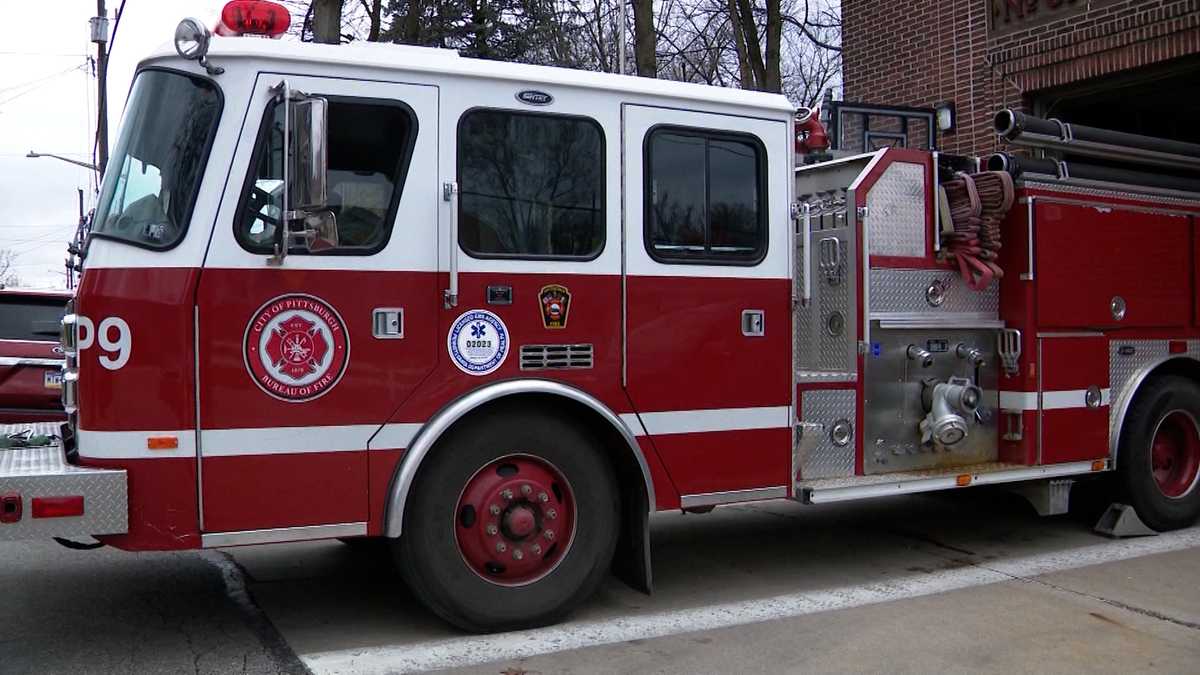
Eight of the city’s 12 ladder trucks and 14 of its 28 engines are currently considered past their useful life, and many of them are estimated to be taken out of service completely around the same time.
Werner said there are some options for making the most of the money available.
“If we want to buy all these vehicles outright, that’s one thing,” Werner said. “But if we want to lease these vehicles and be able to get more vehicles on the ground quicker, we’re going to look at that as well.”
But that doesn’t change the build time.
“Build time doesn’t change them or how much you do it. If the federal government gave us $100 million, it doesn’t build them any faster,” Werner said.
Depending on the type of fire apparatus being ordered, Sicuro says the build time takes two to four years.