
WAVERLY TWP. — Despite opposition and calls from many residents to postpone a vote, the township supervisors Thursday OK’d updated rules allowing religious facilities without the need for zoning relief.
The governing body voted 2-1 on an ordinance amending zoning to allow places of worship and assembly in all seven zoning districts, with language noting federal law prohibits state and local governments from substantially burdening houses of worship unless the government can demonstrate a compelling interest. Supervisor Chairwoman Cheryl Lynn Murnin and Vice Chairman Drew Christian voted in favor of the changes, and Supervisor Eric Parry voted against them.
The amended law also removes oil and gas extraction as a principal use in the zoning districts.
Before the amendment was approved, a place of worship or assembly was classified as a conditional use requiring a special exception — permitted only in the rural resource, rural single family residential, suburban single family residential and village single family residential districts.
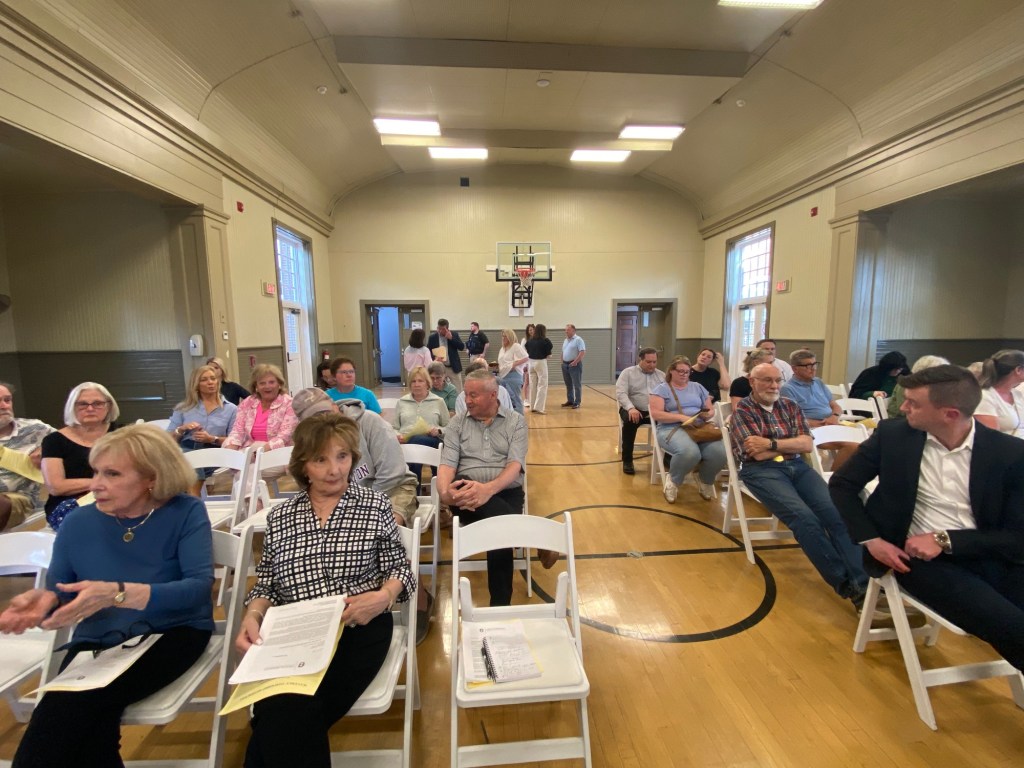
The action came after a public hearing on the changes that drew more than 40 people to the Waverly Community House. Nearly 20 members of the public spoke for nearly two hours, calling on the supervisors to pause the changes, which they said were rushed, too broad and open the township up to a variety of potential uses.
The issue arose last year when the Jewish Discovery Center sought a special exception to build 12 cabins on its township property.
Unnecessary changes?
Resident Caroline Nelson testified that she believes in equal rights and that everyone in the township should be treated equally under township zoning and not be singled out. Fellow resident Margaret Neville said that while she has no problem with people professing their faith, everyone must follow zoning rules. Her husband, Terence Neville, said religious facilities should be allowed to maintain services in the township — with a special exception.
“The township ought to maintain, in our opinion, that special exception in residential and rural zones,” he said. “We don’t see any reason that that needs to be removed from the ordinance.”
Resident Frank Suraci said allowing any group to assemble could impact neighborhoods.
Several residents brought up a federal lawsuit that Kingston, in Luzerne County, and the U.S. Justice Department resolved earlier this year alleging the town’s zoning ordinance unconstitutionally treats religious facilities differently from secular ones. The Justice Department’s lawsuit claimed the municipality’s 2023 zoning ordinance violated the Religious Land Use and Institutionalized Persons Act and disproportionately prevented Kingston’s Orthodox Jewish Chabad community from developing places needed for religious worship.
Kingston officials will amend their zoning ordinance to lift restrictions on religious entities and require employees to undergo training on religious land uses as part of a consent motion. Solicitor Malcolm MacGregor said during the hearing there is no active lawsuit or complaint related to religious land use.
Others proposed — to applause — having residents vote on the changes instead of the supervisors.
The Nevilles shared a legal opinion from attorney Daniel Cortez, representing the couple, contending the Religious Land Use and Institutionalized Persons Act doesn’t place religious land uses in more advantageous positions than comparable secular land uses, pertains only to land use regulations and doesn’t exempt religious land uses from having to comply with building and related codes.
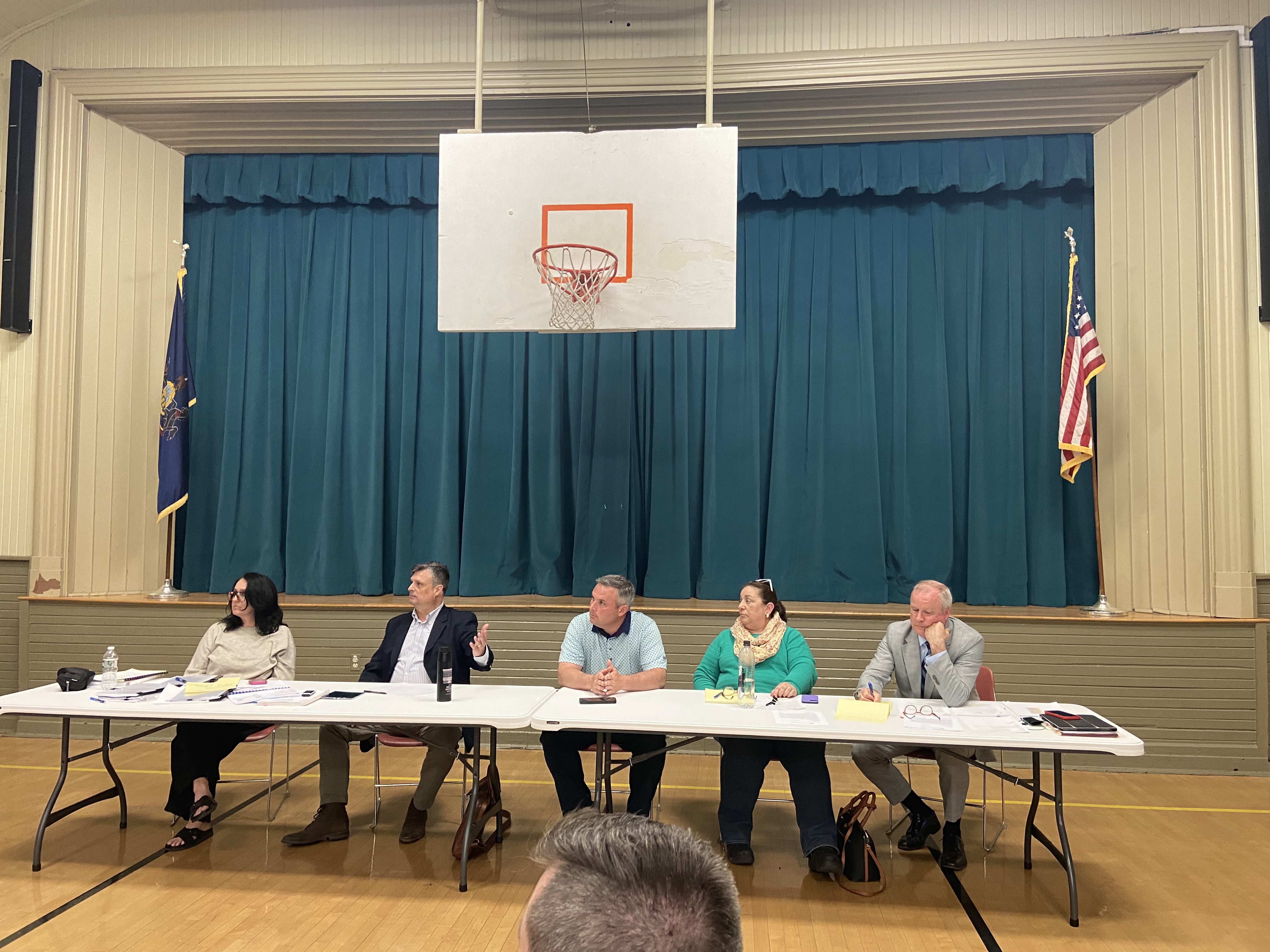
Members of the Waverly Twp. Board of Supervisors meet Thursday, April 16, 2026. (Christine Lee/Staff Photo)
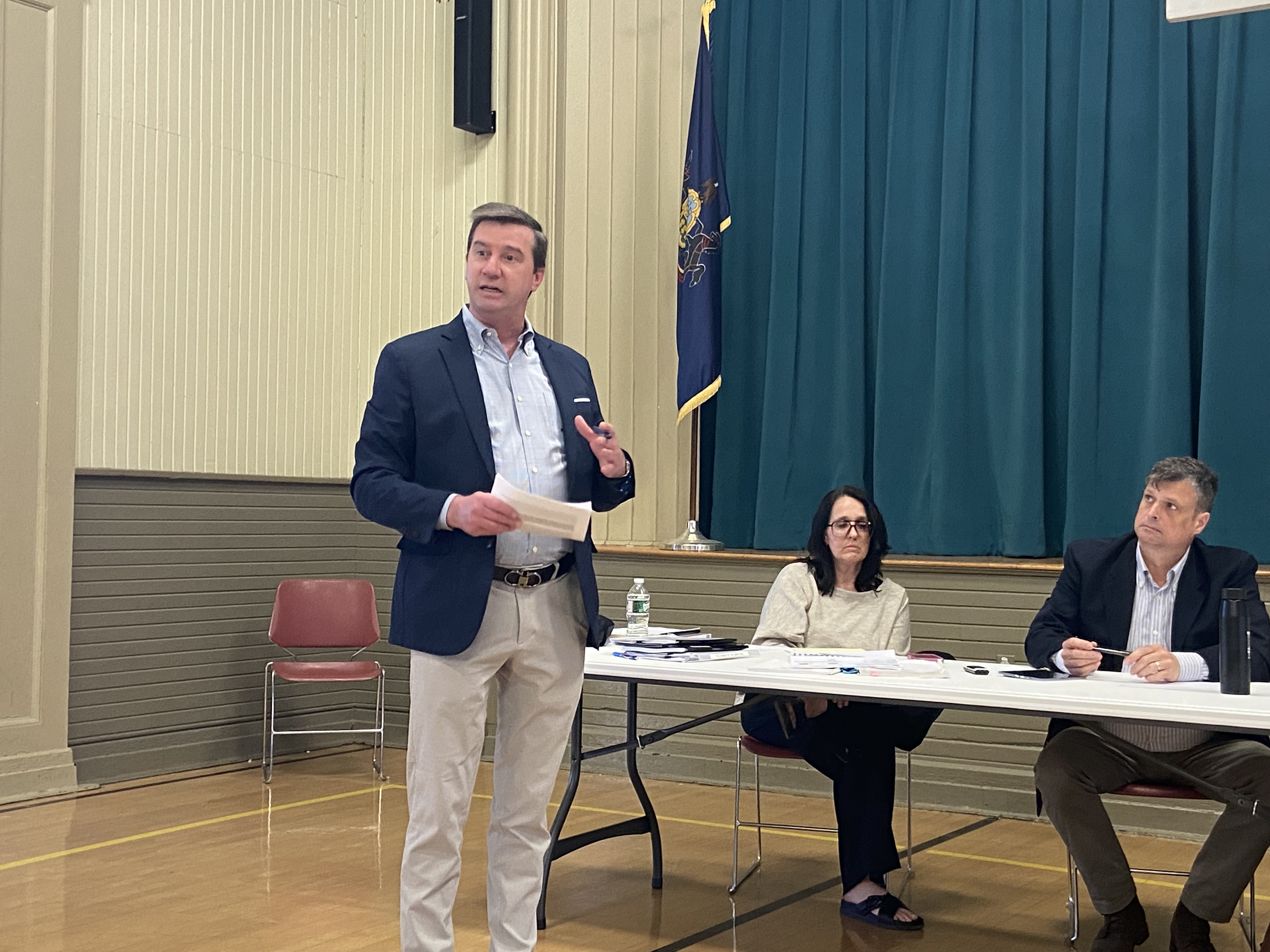
Waverly Twp. resident Terrence Neville addresses the crowd during the hearing Thursday, April 16, 2026. (Christine Lee/Staff Photo)
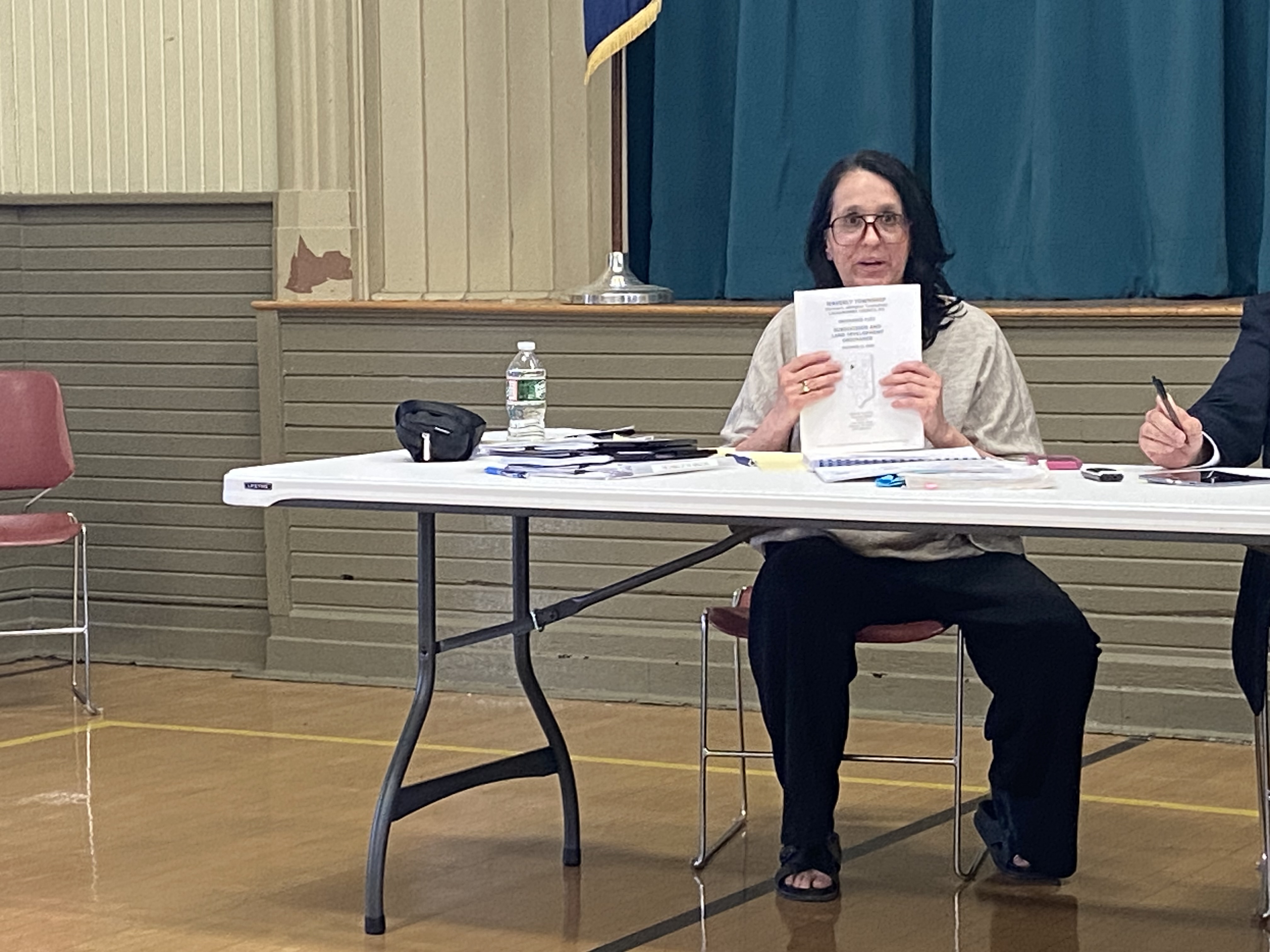
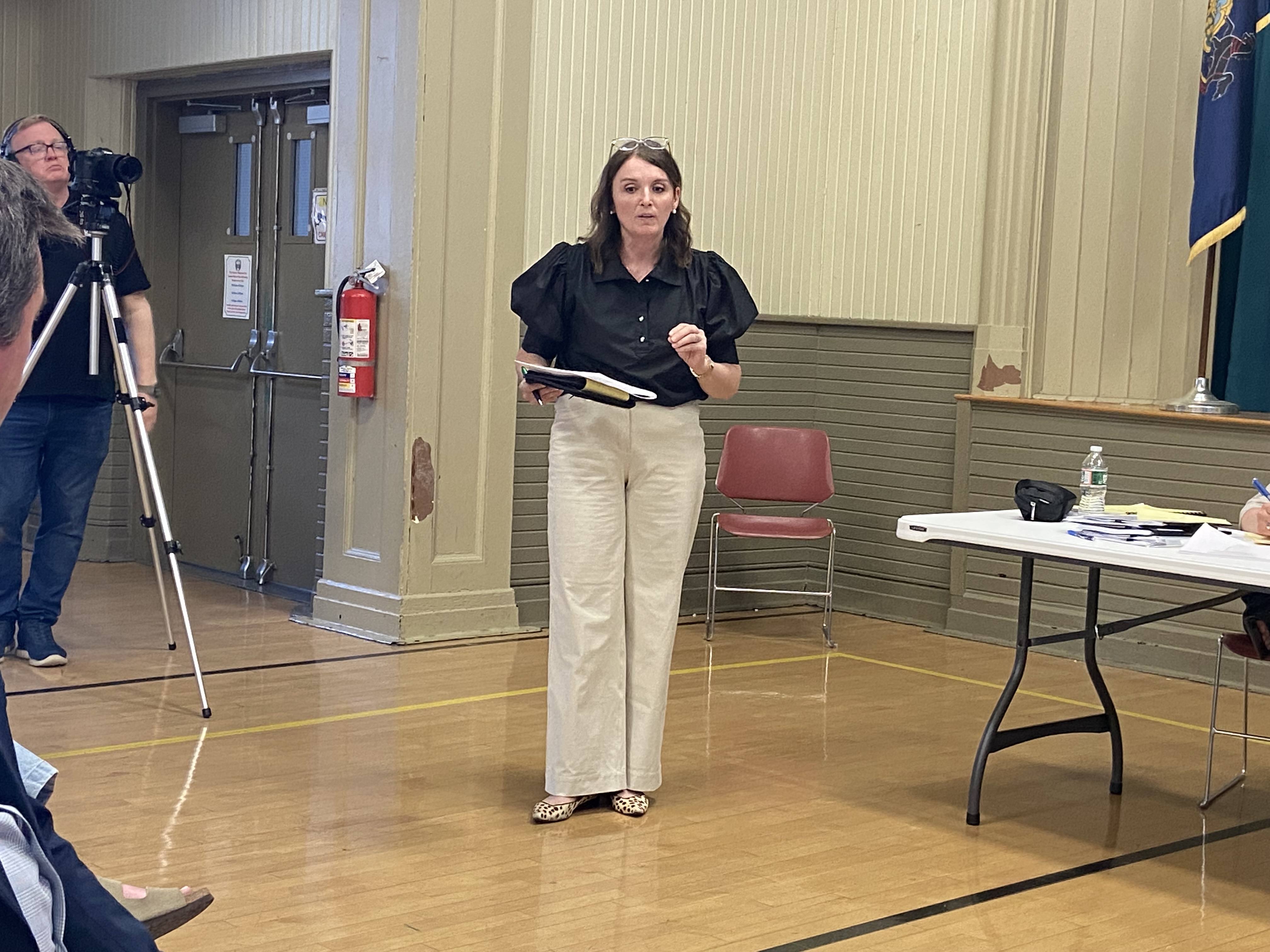
Waverly Twp. Manager Christine Capozzi speaks during the hearing Thursday, April 16, 2026. (Christine Lee/Staff Photo)
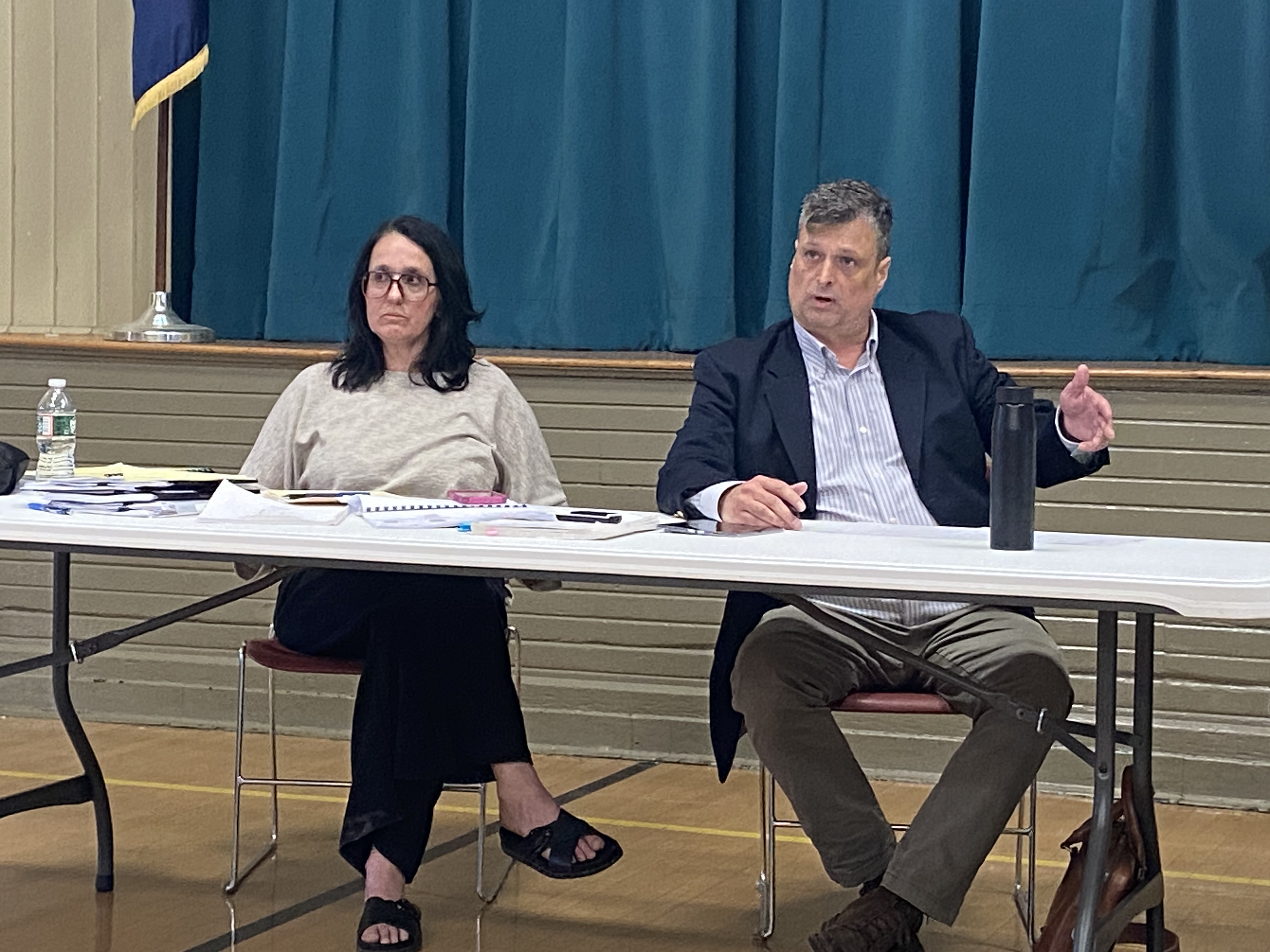
Waverly Twp. Vice Chairman Drew Christian, right, makes a point during the hearing on amending the township’s zoning to allow places of worship or assembly in all township zoning while Township Manager Christine Capozzi sits beside him Thursday, April 16, 2026. (Christine Lee/Staff Photo)
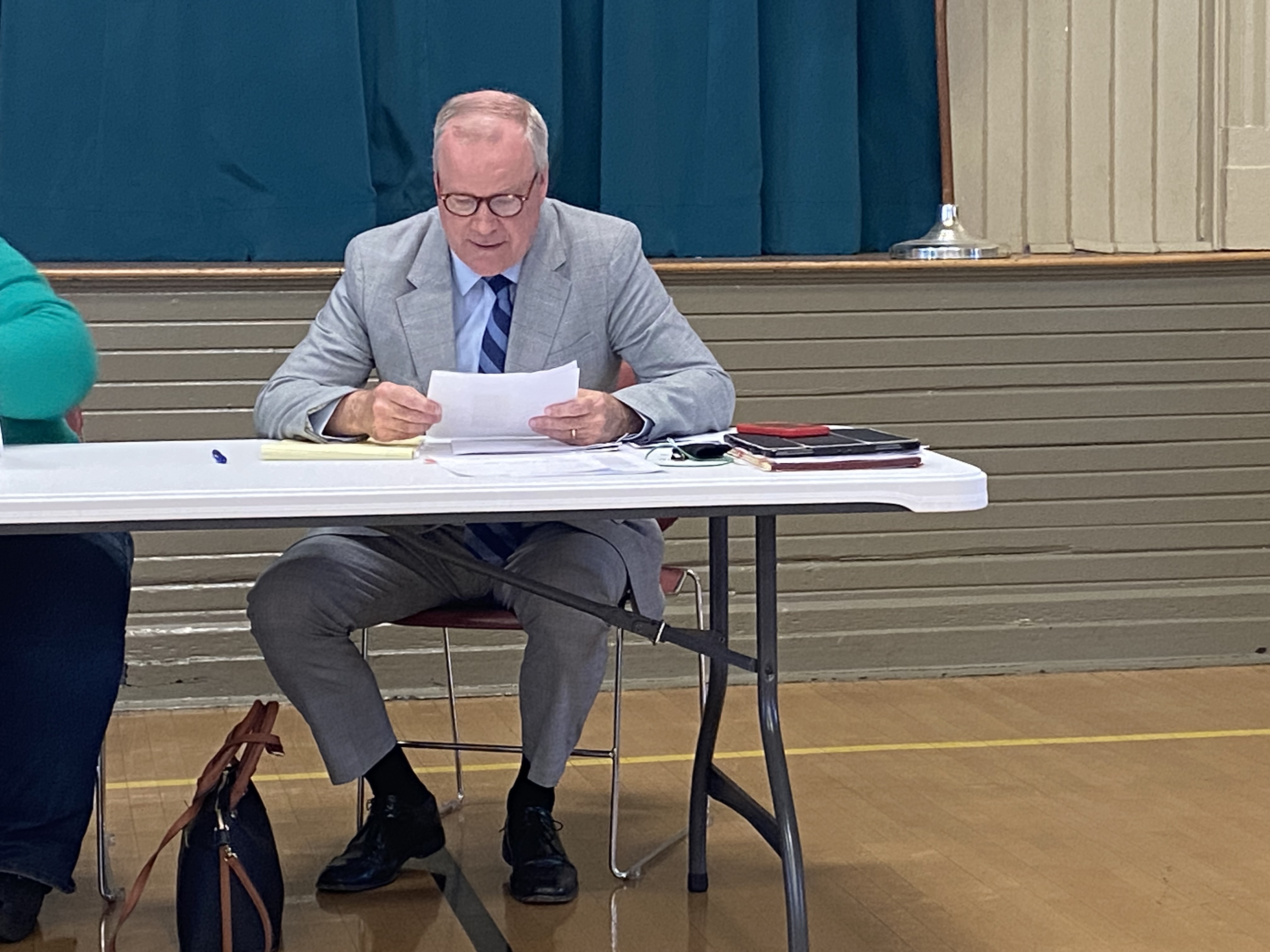
Waverly Twp. Solicitor Malcolm MacGregor speaks during the hearing Thursday, April 16, 2026. (Christine Lee/Staff Photo)
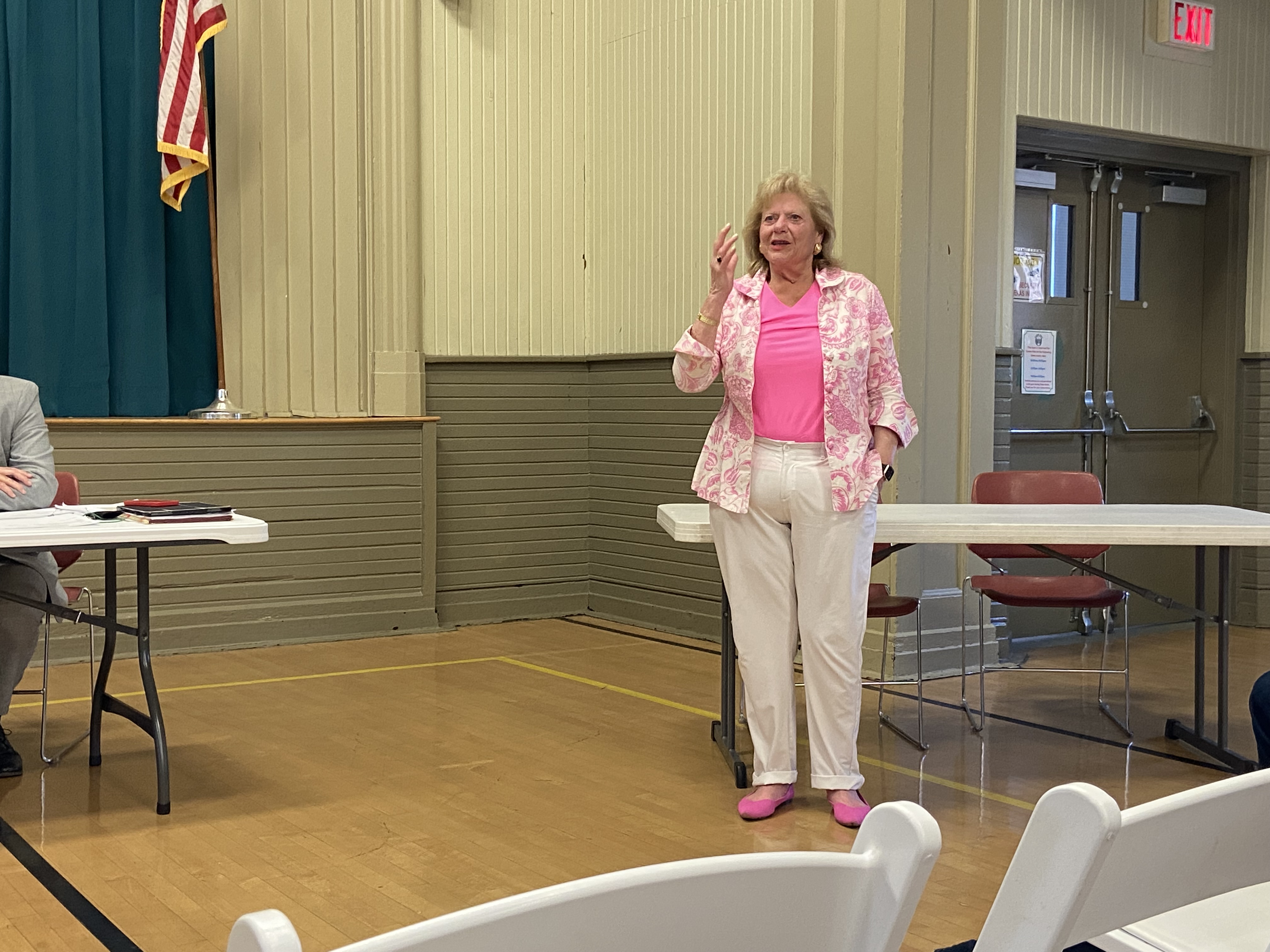
Township resident Kim Barrows speaks during the hearing Thursday, April 16, 2026. (Christine Lee/Staff Photo)
Waverly Twp. resident Margaret Neville speaks during the hearing Thursday, April 16, 2026. (Christine Lee/Staff Photo)
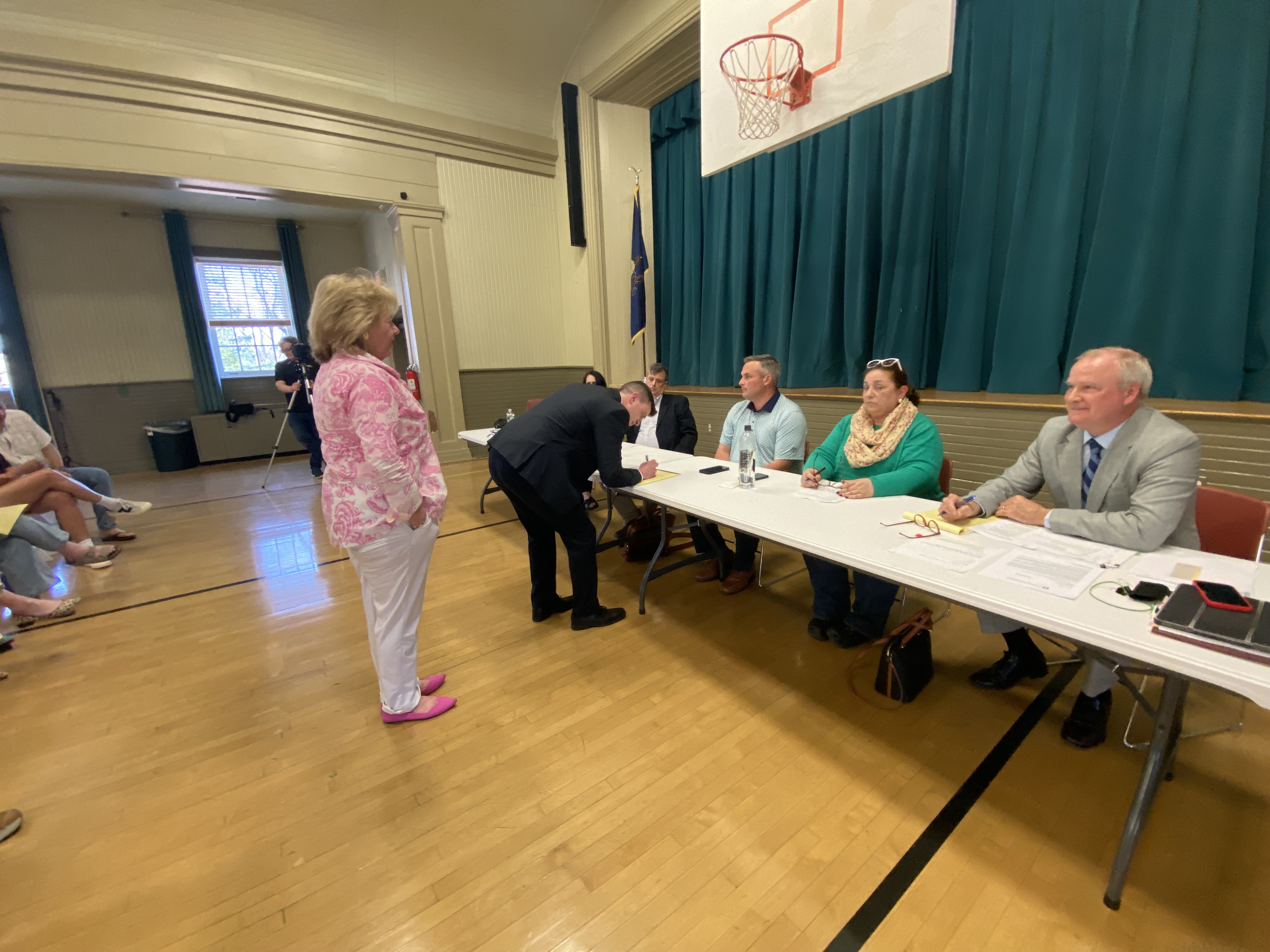
People sign up to testify during a hearing conducted by the Waverly Twp. Board of Supervisors to change the township’s zoning to allow place of worship or assembly in all zoning districts Thursday, April 16, 2026. (Christine Lee/Staff Photo)
Show Caption
1 of 8
Members of the Waverly Twp. Board of Supervisors meet Thursday, April 16, 2026. (Christine Lee/Staff Photo)
Cortez said there is a defined process through which religious land uses can obtain a special exception, and having that requirement does not amount to an unreasonable limitation on religious exercise, particularly when such uses are permitted in several zoning districts with a special exception.
He said the changes could lead to more, larger religious organizations seeking to build large houses of worship in smaller residential neighborhoods.
Adopting the changes, Cortez said, could lead to an instance where religious land uses would be allowed but similar secular assemblies would need a special exception, which could lead to claims that the township is unconstitutionally favoring religious land uses.
He said a more reasonable amendment would be one that identifies the valuable goals of the law while also requiring secular and religious land-use assemblies to obtain special exceptions to operate in the rural resource and residential districts.
Christian said the township has had extensive guidance on religious land use, and the community’s zoning is different from Kingston’s. The township, he said, has worked diligently to update its zoning.
Murnin said after the meeting that she voted in favor of the changes because the township has to follow federal laws that prevent discrimination.
“To vote against it would be a vote for discrimination,” she said.
Parry said after his dissent that he felt delaying the changes would have been in the residents’ best interest.
“When residents show up and they come out and voice their opinion, just like you see with data centers happening in Lackawanna County and other issues down in Scranton, it is our job to take what they are saying and to relay that and put it into our votes, and that’s how I felt tonight,” he said. “I felt that it wasn’t in the best interest of the township to adopt that zoning amendment.”
Source of contention
Township Solicitor Malcolm MacGregor said the supervisors conducted a legal analysis and consulted with experts on the move, noting the oil and gas extraction provision was changed to comply with the law. The township’s planning commission recommended the amendment last month.
Officials said at the meeting the changes were prompted when the Jewish Discovery Center applied last year for a special zoning exception to build the cabins on its property off Miller Road. In reviewing the application — which the center filed under the name Chabad of the Abingtons Inc. — they discovered the township’s zoning did not allow for religious uses, which it previously did. The amendment was a way to ensure the changes were written into the zoning ordinance, they said.
The township issued a permit to the center late last year allowing plans to move forward for building the 865-square-foot cabins, which center officials say will be used only by people attending services, observing holy days or participating in programs on the property. The Nevilles appealed the permit in February, contending the proposed development requires special exception approval; that no zoning application was made for the zoning officer to approve; that the zoning officer lacked jurisdiction to render a decision concerning the proposed development while an appeal was pending before the board; and that the center didn’t meet the prerequisites for the township to issue a zoning permit and approve a place of worship.
The zoning board last month heard the first arguments for why the township should reverse its decision to issue the permit and will continue that hearing Monday.
Compliance still required
Applicants looking to build a place of worship or assembly are still required to submit a land-development plan and traffic impact study, which have to be approved by the township. Other requirements include: primary or accessory structures that aren’t enclosed are limited to operating from dusk to dawn, with exceptions for organized activities in outdoor areas with approved lighting; impervious land coverage is limited to 30% of the site; landscaping to delineate the site boundaries; and all signs must be located on site.
They are also required to have one parking space for every four seats used for services, and may include two dwelling units as an accessory use to house religious leaders and their families.
Further, belfries, steeples, minarets and other structures associated with a house of worship or assembly are allowed to exceed a building’s permitted height.