
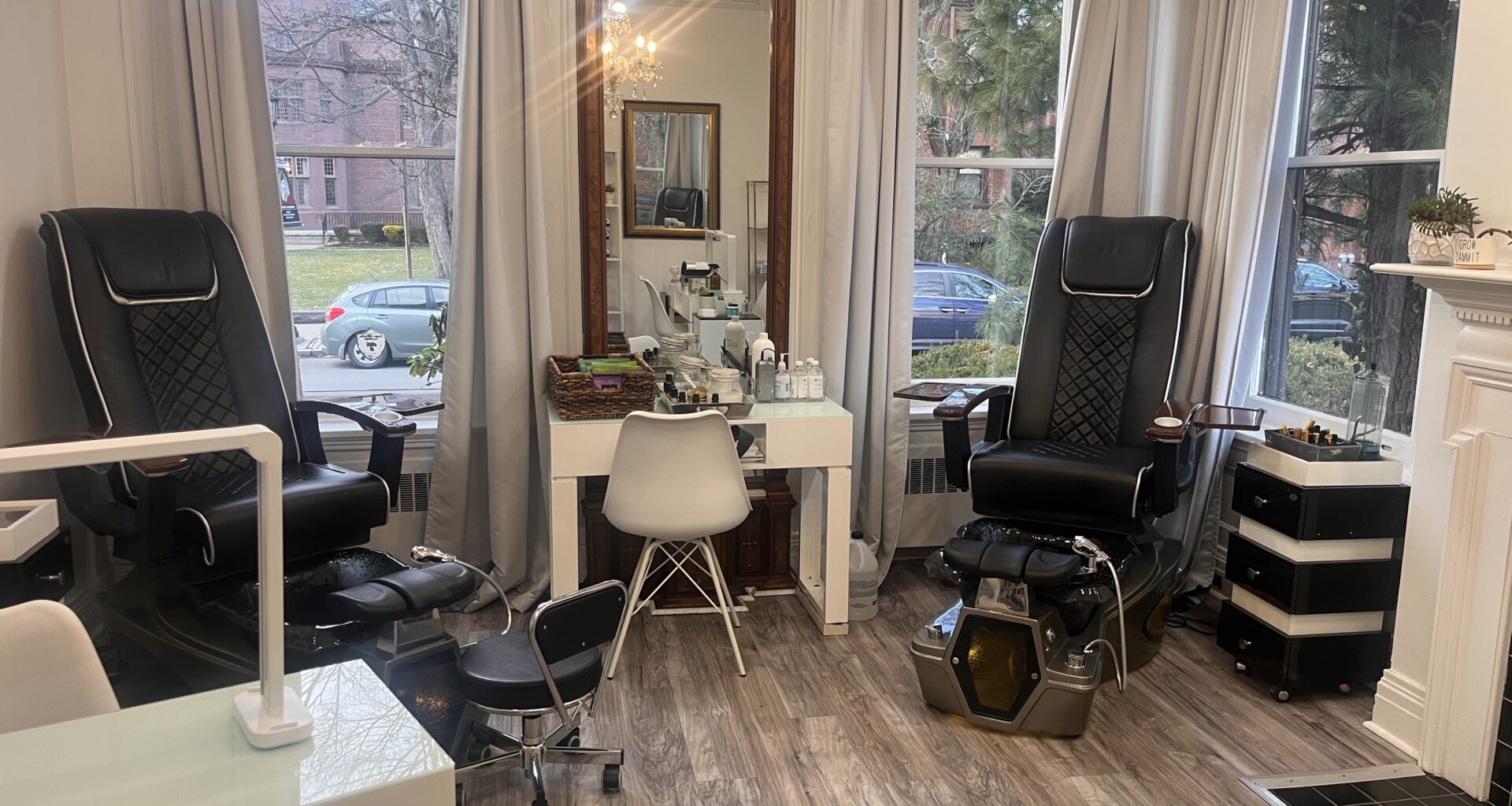
SCRANTON — Recession beauty is back, this time as neutral nails, grown-in blonde hair, and do-it-yourself beauty maintenance.
Beauty trends have indicated harsh economic times in the past. A well-known example in the beauty industry is the hemline index, which states the shorter the hemline, the better the economy. The lipstick index is another popular theory which states that small luxury items, like lipstick, are bought more often during economic downturns. In 2009, the term recession hair was coined, which referred to women skipping their regular haircuts to save money. It seems to be making a resurgence, this time as recession blonde.
Beauty professionals on TikTok have coined the term “recession blonde,” a lower-maintenance option for their blonde clients. This is a more natural and lived-in look that allows clients to spread out their appointments further. Some clients are opting to dye their hair brown, as it is less expensive to upkeep.
Tatum Neiderhiser, a hairstylist and owner of Thallo Beauty in Wilkes-Barre, says this isn’t the first recession that she’s witnessed. She opened her first salon in 2004 and has seen what habits people change during a recession.
“We’re seeing recession blonde and recession brunette and you’re starting to see more lived-in colors or people focusing more on haircuts and treatments, not as much color. I think that it goes with not just the fact that there is a recession, and people are watching what they’re spending, but also how it’s being marketed to us,” said Neiderhiser.
Neiderhiser described the difference in what is popular in each generation and how that can relate to recession beauty.
“I’m an elder Millennial right on the cusp of Gen X and we’re radical, and we always have been. We’ve always been outspoken and rebellious. So our generation is always going to have some streak of color in our hair, and some length and some kind of craziness. … Every generation has pockets that are anti-whatever marked the generation style,” Neiderhiser said.
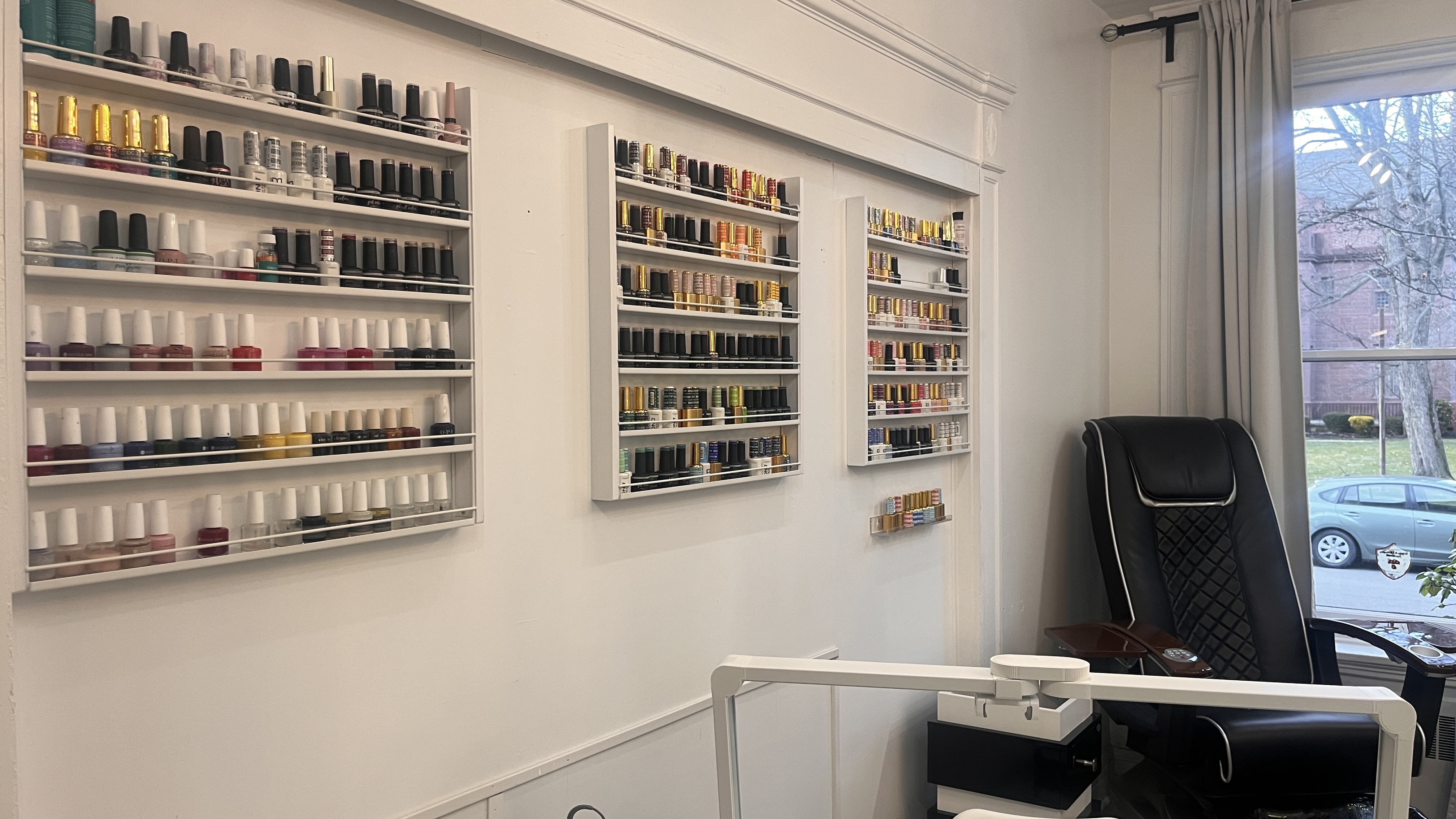
In this era of recession beauty, salons are finding that clients want to make small changes to their look.
“Some of the things that we’re seeing right now is people are getting their hair cut a little bit less, but they’ll say ‘I want to change something. I don’t want anything too high maintenance.’ So, I do some sort of a fringe so that I change everything but not really everything. Little changes for high impact,” Neiderhisersaid.
The frequency of appointments is spanning longer.
“There are some people that will never break their every-four-week habit, no matter what, but also because the style is changing a little bit. The haircuts are a little but less perfectly tailored, so you can go longer without getting a haircut. So, the four-week client might be going six weeks for haircuts The six-week client might be going eight,” Neiderhiser said.
Recession beauty has extended to other sectors of the beauty industry, like nails. The nail industry has shifted from going into the salon to press-on nails and more DIY nails. Neiderhiser said the recession indicators aren’t easily spotted in nails like they are in hair since there’s been a big jump in technology in the nail field.
“Nails were like acrylic or there was some gel, but not like the sculpted gel that we’re seeing today. The way that we do nails is so much better. Most people are doing a Russian manicure before they do an overlay or an extension,” said Neiderhiser. A Russian manicure is a dry manicure performed using an electric file.
With the rise of TikTok, consumers no longer have to receive a formal education or look in magazines or books for tutorials on how to maintain their style on their own.
Konnor Krakenfels, the social media manager at Thallo Beauty, said it’s harder to spot recession indicators in Generation Z since a lot of them have learned how to dotheir beauty maintenance online.
“You were raised learning how to do a full beat and your nails and whatever else you wanted on YouTube. We didn’t have that. That’s a different thing about this recession,” said Krakenfels.