
By MARTY LEVINE
The ideal candidates for receiving mentoring, says Brian Sullivan, are “people who come at it with curiosity and humility.” Those who make their dream of a startup company happen are already “usually fantastically successful in some ways. … They see an opportunity. They come at it from an ‘I know this stuff’ perspective but they may not know how much else there is out there to learn.”
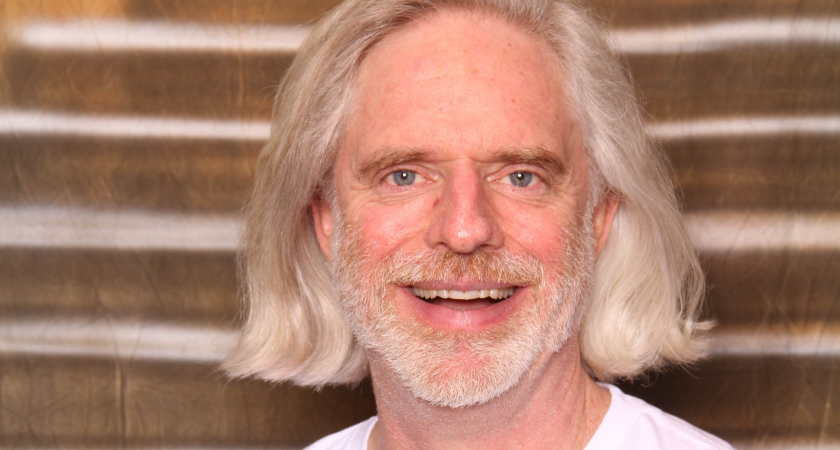
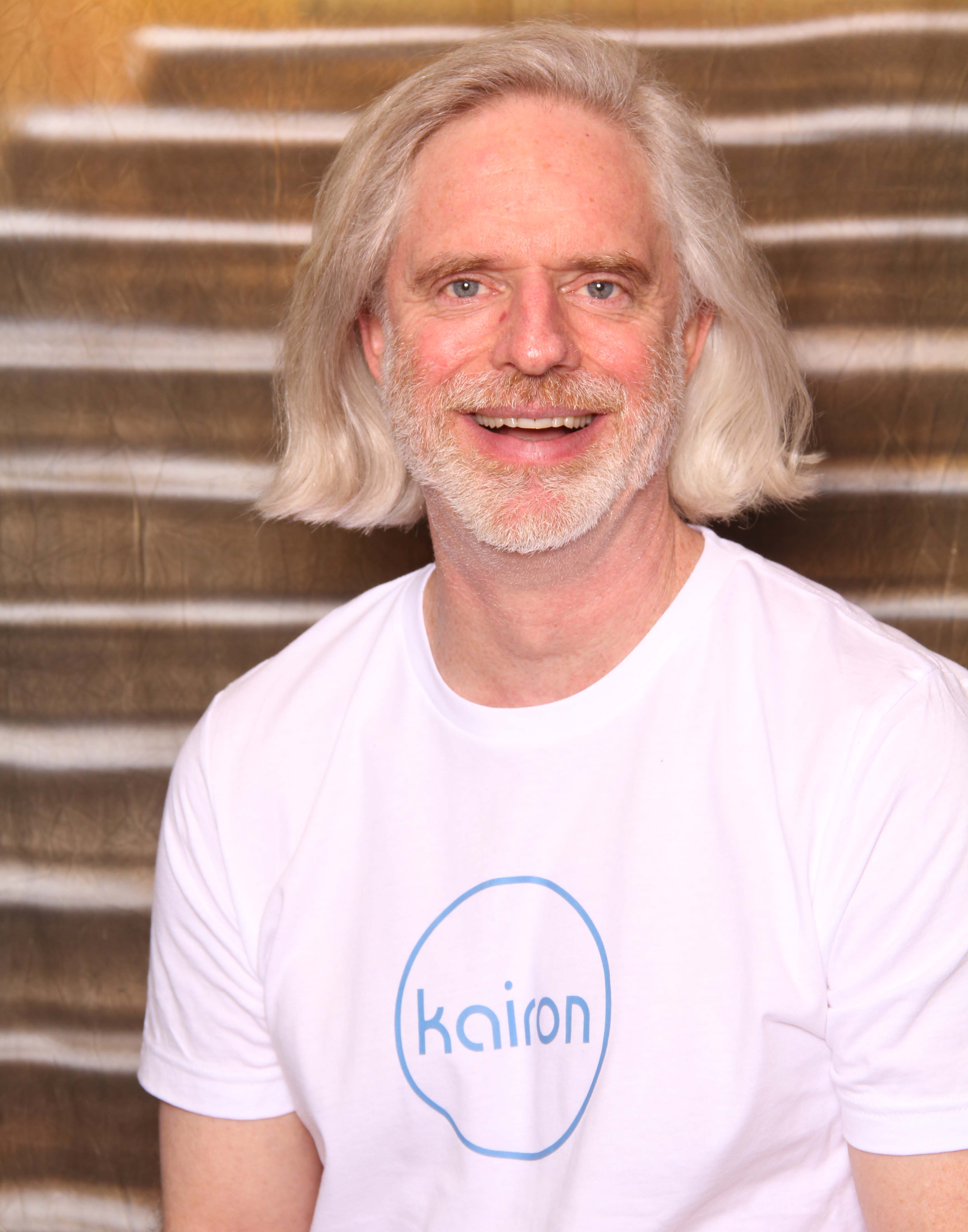 For his years of work as a volunteer mentor to Pitt faculty and students involved in startups, Sullivan was named the 2025 James “Chip” Hanlon Volunteer Mentor of the Year by the Office of Innovation and Entrepreneurship.
Early in his career, Sullivan began working for large corporations — defense contractors — and says he frankly “got bored.” His first idea for a startup company originated then and there. Although it eventually “petered out,” he said, “I decided to get out of defense and became COO of a medical device company.” That led eventually to his current concentration on advising medical device startups in particular, which includes the development of rehabilitative and assistive technologies.
Today he is also an adjunct professor in the School of Health and Rehabilitation Sciences’ Department of Rehabilitation Science and Technology, teaching commercial translation of laboratory breakthroughs.
“I like working with people who are trying to do things that are totally new,” Sullivan says —particularly “blue-sky projects” that are not driven primarily by money. He believes in the philosophy attributed to Indian independence leader Mohandas Gandhi, often paraphrased as: “Be the change you want to see in the world.”
“Changing the world — that usually is the thing that gets me up in the morning,” he says. Sometimes the most fun thing to do, he adds, “is to make the world a better place. I really gravitate to that.”
In big companies, each employee usually has a specialized role — but there could be a department of, say, five people all doing one job, he points out. In a startup, on the other hand, there is often one person doing five jobs. “I’ve always been more of a decathlete than a single-event competitor,” Sullivan says. “I feel like I’m able to bring all of my skills to bear” as a mentor.
How own current startup is kairon.app, which he describes as “an online social media platform to give people a unifying and affirming alternative to the existing landscape of rage-baiting and fear-mongering content.”
He compares its most innovative function to mapping software that helps us drive from one spot to another, warning us of speed traps and construction slowdowns along the way — which is often crowdsourced by the app. For kairon, “imagine a notice, ‘There’s a mean post coming up’ or ‘There’s a mean person coming up,’” he says.
And instead of just hashtags there will be caretags, “an emotional extension of hashtags, which bring people together into an “empathy chamber” rather than an echo chamber, where people of every attitude can share the life circumstances that have created their points of view. The idea, he says, is to “encourage the most constructive response to (participants’) social and emotional situations.”
But Sullivan will certainly continue mentoring others.
“I’m just trying to be the best mentor for the people I mentor,” he says of the award. “What would I do in their shoes? I’m in it for the feeling of helping people and seeing their appreciation when they get past” the roadblocks, and when they “master things they didn’t know they didn’t know.”
Marty Levine is a staff writer for the University Times. Reach him at martyl@pitt.edu or 412-758-4859.
Have a story idea or news to share? Share it with the University Times.
Follow the University Times on Facebook.