
ALSACE TWP., Pa. – As temperatures dropped Monday night, experts warned about keeping your plants safe.
Many people have already started planning for the season, but did they do it too early?
Pennsylvania is no stranger to mixed weather.
“It’s like a normal thing here in Berks County in Pennsylvania. As most people say, Mother Nature has quite a different personality, depending on the time of the day and the year,” said Betsy Spayd-Rothenberger, CEO of the Spayd’s Company.
Everyone is dreaming of seeing colors and blooms.
“We had a long winter. We want excitement, so we’re planting pots and other plants in our gardens,” Spayd-Rothenberger said.
But with a possible freeze overnight, it could be harmful.
“What it could do is, one, it’ll burn the leaves, so those pretty green leaves could turn white by tomorrow morning, which will do damage to the plant itself,” Spayd-Rothenberger said.
Depending on how cold it gets, sometimes plants bounce back, but other times they don’t.
“As a consumer and homeowner, you can cover them with some blankets. You know, maybe you’ve got some old sheets,” Spayd-Rothenberger said.
Or, you can go a step further.
“My brother…he’s got a heater lined up to protect his little tomatoes, and he’s gone to the extremes of trying to save his tomatoes that he can have the first red tomato by Memorial Day,” Spayd-Rothenberger said.
So, when is the best time to plant?
“Berks County’s rule of thumb: Our frost-free date is usually around Mother’s Day. So, May 15 is a good safe date to plant,” Spayd-Rothenberger said.
However, it depends on the plant.
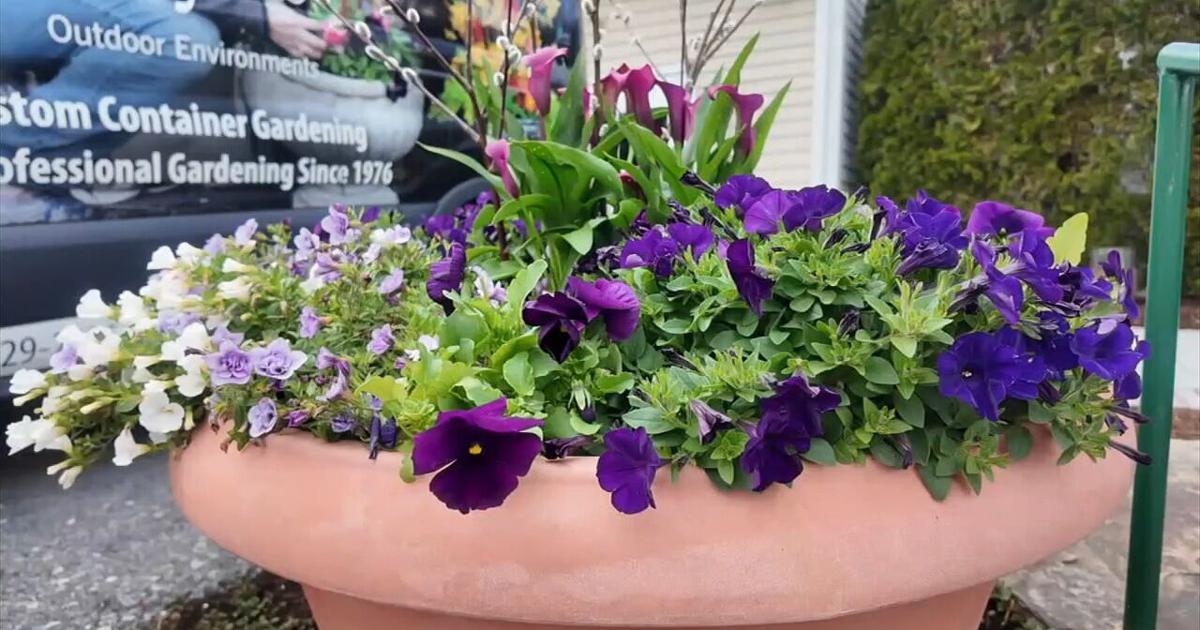
“It’s detrimental to your early annuals. So, the plants behind me are all annuals. They’re your summer color plants. They don’t like these cold temps,” Spayd-Rothenberger said. “Things like your pansies, primrose, your Easter bulbs — those they like cool temperatures.”
At Spayd’s, they’re prepared.
“We’re going to move them into our big greenhouse overnight to protect them from the cold air and not come into a surprise of damaged plants and an upset customer,” Spayd-Rothenberger said.