
By Josh Siegel, Douglas G. Reichley and Kevin D. Miller
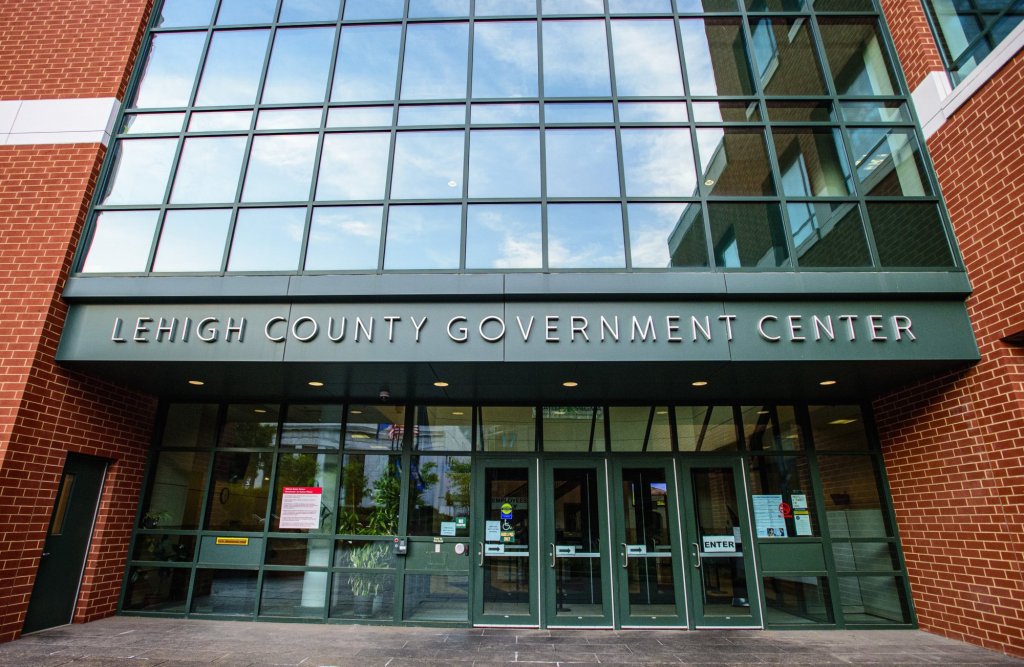
Lehigh County commissioners will decide Wednesday whether to join three other counties to run a regional juvenile detention center in Berks County.
The board, administration and public have extensively debated this plan, because the idea of placing young people in detention, even for short periods of time, is a dismaying one.
It is sometimes necessary, however. Juvenile cases can involve potential homicides, gun crimes and sex offenses, meaning the less restrictive options of house arrest or group home placement are unfeasible. Detention not only safeguards the public but the juveniles themselves, who might be inclined to self-harm in the aftermath of a crime.
In other words, it’s protective, not punitive, in keeping with the Pennsylvania Juvenile justice system’s mission of balance and restorative justice.
This makes us responsible for competency development, accountability and community protection — in addition to aiding victims, who are sometimes forgotten during the adjudication process. In these respects, our approach is similar to the lauded Missouri Model of juvenile justice, which focuses on therapeutic rehabilitation in centralized facilities.
It’s important to note that detention is rare. As of Monday, only six juveniles are being held out of 444 active juvenile probation cases. Over a year, only about 1.3% of cases results in detention. Most youth are confined only a short time pending judicial action.
Under the plan, the county would enter a 20-year contract to join Berks, Dauphin and Lackawanna counties in operating a Bern Township facility. Each county would be guaranteed 10 beds and contribute about $2.6 million a year to operating costs.
Having our youth in a professionally operated central facility is far preferable to the current system, in which we have contracts with six facilities, one in Ohio and one in western Pennsylvania.
These have the right to refuse placement for any reason or none at all. They can also demand our youth be removed at any time; we must get them within 24 hours and find alternative arrangements.
In the last three years, 33 youth could not be detained because of a lack of beds or because a facility refused admission. Having 10 guaranteed beds would end that problem.
The center would also allow us to avoid involvement with disreputable companies. Abraxas Youth & Family Services in Berks County, for example, is embroiled in lawsuits alleging abuse and neglect.
While Bern Township admittedly is some distance away, the county plans to provide a reliable transportation system for parents or other relatives who want to visit the center and maintain family bonds with loved ones.
Is the center a perfect solution? No, but it is far preferable to the messy and unwieldy system we have. It is also not the last word. We are committed to exploring any plan or idea that promises to restore our young people to peaceful and productive lives.
This is a contributed opinion column. Josh Siegel is the Lehigh County executive, Douglas G. Reichley is the president judge of Lehigh County and Kevin D. Miller is chief juvenile probation officer for Lehigh County. The views expressed in this piece are those of its individual authors and should not be interpreted as reflecting the views of this publication. Do you have a perspective to share? Learn more about how we handle guest opinion submissions at themorningcall.com/opinions.