
Ellen Braunstein
 Donald M. Wittenberg
Courtesy of the family
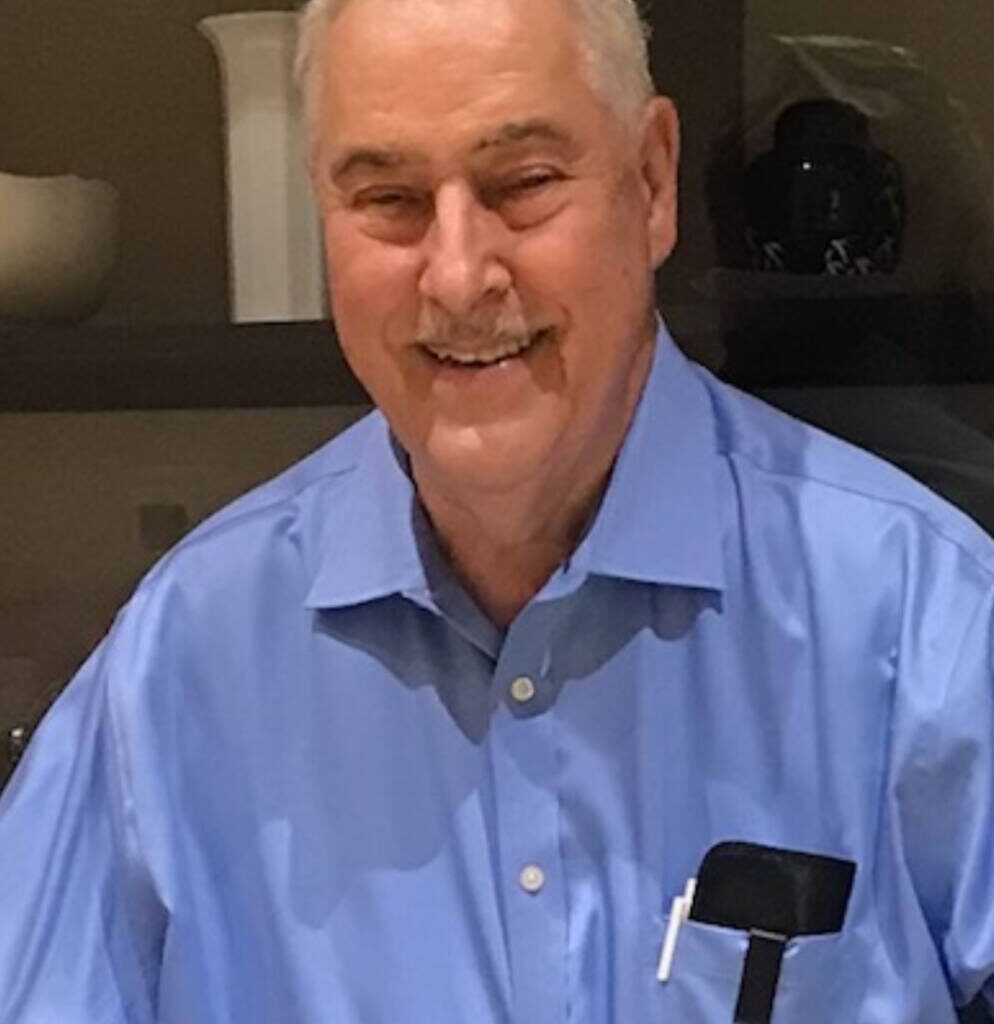
Donald M. Wittenberg, a longtime Philadelphia educator who spent more than four decades in the city’s public schools and in retirement devoted many years to Holocaust education, died on March 5 of complications related to myasthenia gravis. He was 79.
Family members said Wittenberg was guided throughout his life by a strong sense of fairness and a commitment to helping others.
“Just live your life as a good person and help others,” his son, Steven Wittenberg, said of the values his father tried to model.
Born in the Bronx in 1946, Wittenberg ultimately made Philadelphia his lifelong home.
His early childhood included significant challenges. At one point he spent time in foster care before later reuniting with his parents. Family members said he rarely spoke negatively about that period of his life.
“He always felt very loved by his parents,” said his wife, Bonnie Wittenberg.
As a teenager, he moved to Philadelphia to live with relatives and enrolled at Olney High School. He graduated in 1964 and attended Temple University, where he earned both a bachelor’s and master’s degree in education in 1969.
Education became the defining work of his life.
Over 42 years in the School District of Philadelphia, Wittenberg served in numerous roles. He taught fifth grade at Meade, McClure, Rowen and Leeds middle schools before moving into administration.
He later served as auxiliary principal at Kenderton and Hanna elementary schools, principal at Pennell and Franklin elementary schools, and finished his career as an educational facilities planner in the district’s central office. Family members said he was known for his ability to connect with students, teachers and parents alike.
“He loved engaging with students,” Bonnie Wittenberg said. “He wanted them to enjoy learning and to be enthusiastic and involved.”
As an administrator, fairness guided many of his decisions.
“He always said there are three sides to every story — one person’s side, the other person’s side and the truth,” said his son, Steven Wittenberg.
That approach helped him earn respect even in schools facing difficult circumstances.
“He connected with people of all walks of life,” his son said. “Black, white, brown — it didn’t matter. He built trust with communities.”
Wittenberg’s interest in education extended beyond classroom instruction. He often searched basements and storage rooms for old photographs, documents and artifacts that had been forgotten or discarded.
“He always tried to preserve the history of the schools,” Steven Wittenberg said.
Outside the school system, Wittenberg was active for decades in the B’nai B’rith Educators Unit, serving in leadership roles, including treasurer and president. Meetings for the organization were often held at the family home.
“He was very active for many years and held a number of leadership positions,” Bonnie Wittenberg said.
Judaism also played an increasingly important role in his life over time.
Although he did not grow up in a particularly observant household, family members said he later deepened his Jewish practice. He taught himself Hebrew, regularly attended synagogue and, with his wife, maintained a kosher home for his two sons.
“He grew in his faith stronger as the years went on,” said his son Jan Wittenberg.
In retirement, Wittenberg devoted much of his time to the Holocaust Awareness Museum and Education Center in Elkins Park.
For nearly 15 years he served as a curator, helping collect and document artifacts and assisting with museum displays.
“He would talk with donors and carefully gather the stories behind the artifacts,” Bonnie Wittenberg said.
As survivors grew older, he drove them to schools and introduced them to students who heard their stories.
His involvement in Holocaust education was shaped in part by family history. Many relatives on his father’s side were killed during the Holocaust, and his father had served in the U.S. Army during World War II.
Genealogy became another lifelong passion.
Wittenberg spent years researching family histories, tracing his own ancestry back to the 1700s, and his late wife’s family, the Twerskys, back to the 1300s. He also helped others with their genealogical research and contributed information used in books about the Twersky rabbinic family.
“He loved genealogy and helping people learn about their families,” Bonnie Wittenberg said.
Outside his professional and community work, Wittenberg had a wide range of interests.
He enjoyed gardening, reading and studying history. Music was especially important to him, particularly the recordings of Frank Sinatra, which were a constant presence in the family home.
“He loved Frank Sinatra,” Bonnie Wittenberg said. “We have books, recordings — so many things connected to Sinatra.”
He was also known for his humor.
“He was the master of puns,” his son said. “The cornier the joke, the happier he was.”
Wittenberg was active in Democratic politics for many years, beginning in college. As a young man, he ran for Pennsylvania state representative and later volunteered at polling places and supported local candidates.
Despite his many roles, family members described him as deeply modest and motivated primarily by a sense of responsibility to others.
“He believed in giving back simply because it was the right thing to do,” Steven Wittenberg said. “Just live your life as a good person and help others.”
Ellen Braunstein is a freelance writer.