
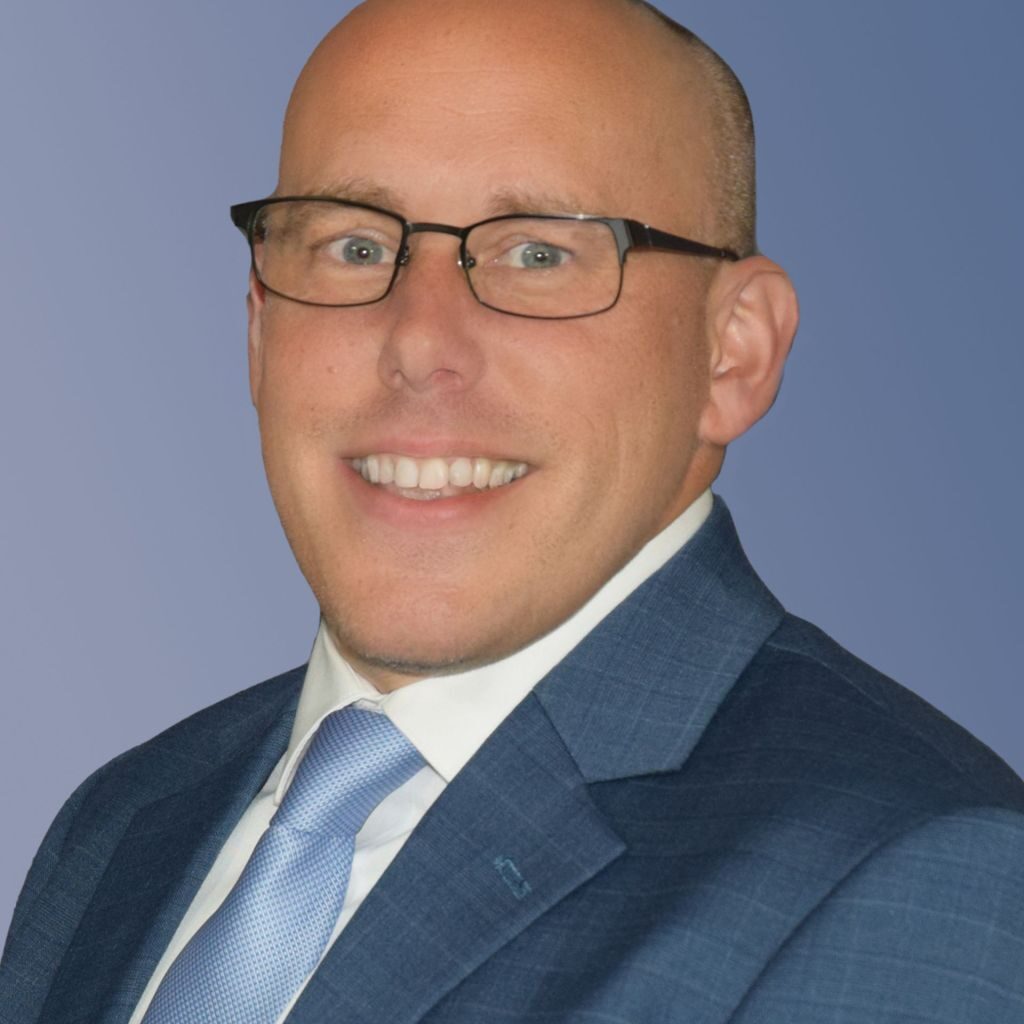
By Thomas Voelker
Daniel Boone Area School District
Every few weeks, a local superintendent is asked to write about a topic in education. There are plenty of directions to go — state funding, staffing shortages, test scores, etc. Despite the many options, I keep coming back to something that doesn’t always make headlines: What students actually need to be successful after they leave our schools.
If you ask most adults what they remember about school, you’ll get a range of answers. Some will mention a favorite teacher. Others will remember a class they enjoyed or possibly struggled through; however, almost everyone remembers one thing: the group project.
You know the one. One person does most of the work; someone else disappears until the last minute, and somehow it all comes together just in time (hopefully). It is not always perfect, but it’s memorable.
As frustrating as those experiences can be, they teach something important. They teach communication. They teach responsibility. They teach how to work with people who think differently. They teach how to adapt when things don’t go as planned. In many ways, those group projects, messy as they are, mirror real life more than any test ever could.
For a long time, success in school was measured mostly by what students knew — how well they performed on tests, how accurately they could recall information, and how quickly they could complete assignments. Those things still matter. A strong academic foundation is still important, but if you ask almost any employer today what they’re looking for, the answers sound different. They talk about communication, problem-solving, reliability, the ability to work with others, a willingness to adapt when things don’t go as planned, etc.
In other words, the skills that matter most aren’t always the ones you can easily measure with a multiple-choice test.
That’s why many schools, including ours, have been working to more intentionally define what we want our graduates to look like — not just academically, but as people. You may hear this referred to as a “Profile of a Learner.” At its core, it’s a way of asking: When students leave us, what do we hope they know, what experiences have they had, and what skills have they developed?
The goal is not to replace academics. It is to build on them.
We still want students to read, write, think critically and understand the world around them, but we also want them to be able to communicate effectively, collaborate with others, manage challenges and take initiative. Those are the skills that help students succeed not just in school, but in life.
The tricky thing is that these skills don’t develop by accident. They develop when students are given opportunities to work through challenges instead of avoiding them. They develop when students have to collaborate, solve problems and adjust when something doesn’t work the first time. That kind of learning takes time, support and sometimes a little discomfort, but it’s where real growth happens.
This kind of work also requires partnership. Schools can create the environment and opportunities, but we need families and communities alongside us, reinforcing those same skills and expectations.
In the end, success is more than just what students know. It’s also about what they can do, how they work with others, and how they respond when things don’t go as planned. This combination of knowledge and practical skills will help best prepare our students for any future path they may choose.
Thomas Voelker is superintendent of the Daniel Boone School District based in Birdsboro, Berks County.