
This story is part of the WHYY News Climate Desk, bringing you news and solutions for our changing region.
From the Poconos to the Jersey Shore to the mouth of the Delaware Bay, what do you want to know about climate change? What would you like us to cover? Get in touch.
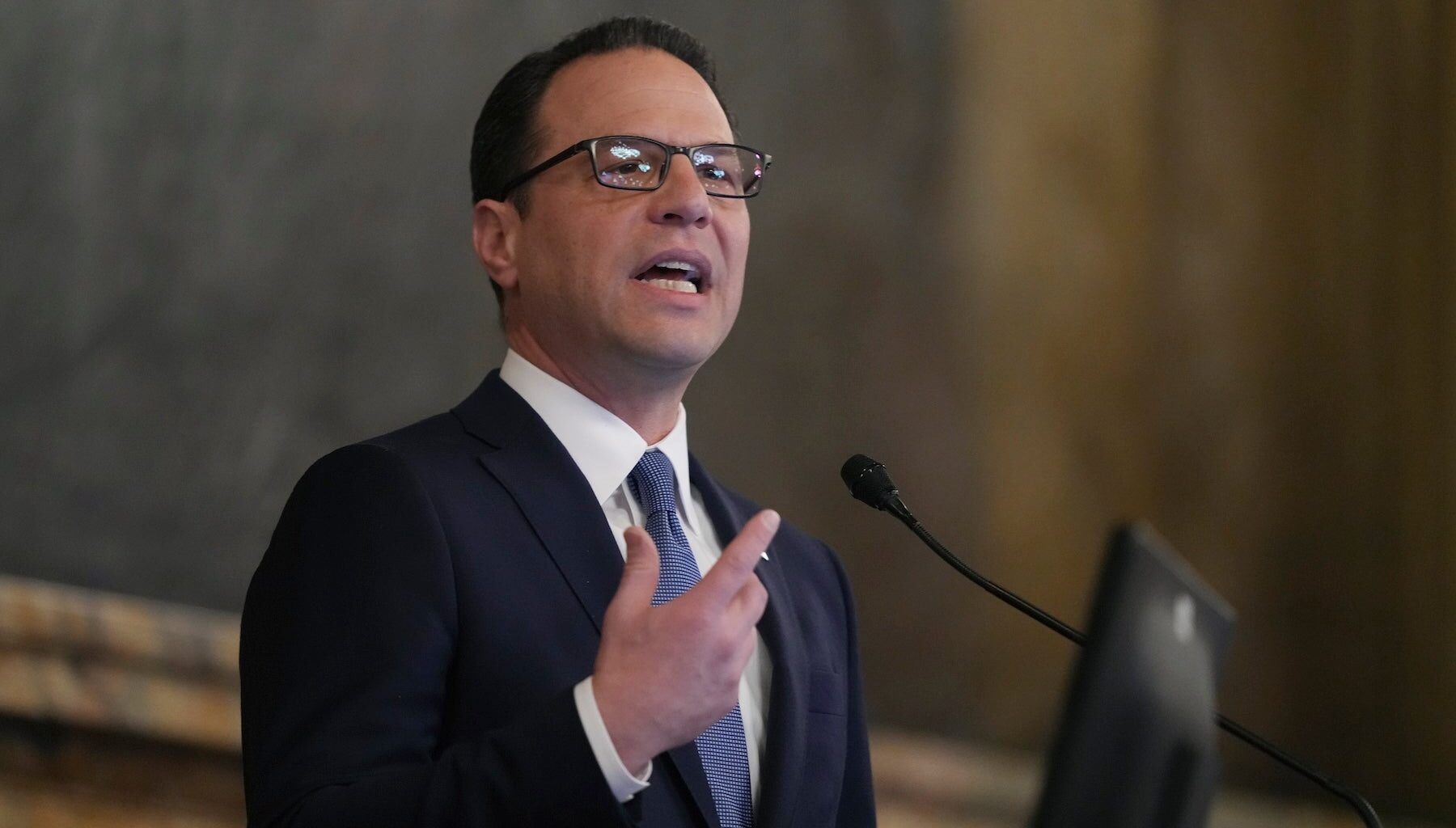
In a letter sent to 24 electric, gas and water utilities, Pennsylvania Gov. Josh Shapiro told the companies’ CEOs that “the 20th century utility model is broken – we can no longer simply prioritize corporate profitability to drive infrastructure development.”
“Rather, we must be laser focused on delivering on the actual needs of our Communities,” Shapiro wrote in the letter dated April 29.
The letter points to 13 utilities in the state that sought $975 million in additional rates in 2025 “after those very same utilities earned a total of $1.4 billion in profits in 2024.”
“We have reached a tipping point,” Shapiro wrote, “and this is a moment to put your customers first and change the behaviors causing rate increases.”
Shapiro is proposing a radical departure from the status quo of ratemaking cases. He writes that utilities should provide cost-benefit analysis of needed infrastructure upgrades and expansion, take on more low cost debt, and engage in a competitive transparent process that publicizes the expected profits before a rate increase is approved.
“Let me be clear: my Administration and I will vocally and forcefully oppose rate case requests from utilities that fail to adhere to these three commonsense practices,” the governor wrote.
But the letter has received lukewarm responses from industry, and resistance from the Pennsylvania Public Utility Commission, which asserts its independence and defends the status quo.
Why Shapiro wants reform
Investor-owned utilities that provide gas and electricity make their profits on infrastructure upgrades, not the supply of gas and electricity, so the more they build, the more profit they can make. Because utilities enjoy a monopoly when it comes to the distribution of gas and electricity, any increase in distribution rates must be approved by regulators, which in Pennsylvania is the Public Utility Commission.
Shapiro, who is facing reelection and a potential future run for president, has been actively weighing in on affordability issues related to utility rates. He was highly critical of PECO’s planned rate hike announced in March, which the company had proposed after its previous rate increase resulted in record profits for the utility. Net income shot up 47.7% to $814 million in 2025 over the previous year, according to earning reports by its parent company Exelon. The proposal faced immediate backlash with Shapiro calling it “pure greed.” Several weeks later, PECO was forced to withdraw its proposal.
Nationwide, the CEOs of investor-owned gas and electric utilities earned $626 million in 2025, according to an analysis by the Energy and Policy Institute, marking an average of 16% jump in pay.
Last year also broke records for the number of Pennsylvania families who experienced utility shutoffs. More than 400,000 households lost water, electric or gas service, according to Elizabeth Marx, executive director of the Pennsylvania Utility Law Project.
Marx said the letter is a welcome surprise.
“Pennsylvania families are facing runaway rate increases,” Marx said. “There are exponential increases in the cost of energy just over the last year and a half, and that’s really straining both families and businesses.”