
The Pennsylvania House of Representatives passed two bills designed to help keep Pennsylvanians up to date in a technology-driven world.
House Bill 2210, authored by state Rep. Manuel Guzman, D-Berks, passed by a vote of 197-3 and would allow for digital vehicle registration cards, as PennDOT no longer mails the cards to residents when they renew their registrations online.
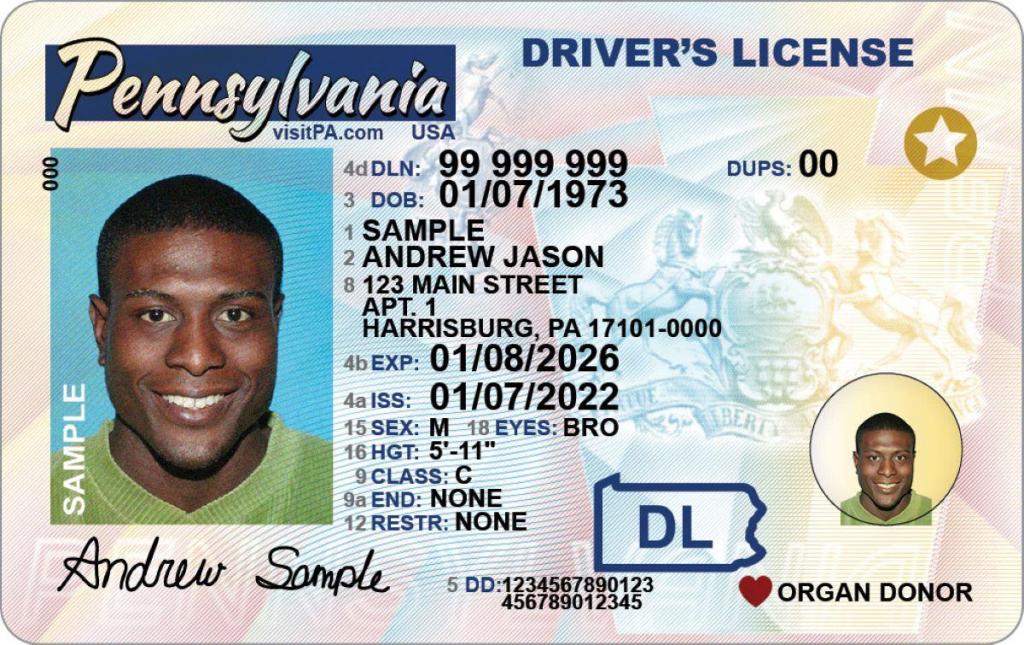
Similarly, House Bill 1970, authored by state Rep. Ed Neilson, D-Philadelphia, chair of the House Transportation Committee, passed by a vote of 186-15 and would give Pennsylvanians the option to obtain a digital driver’s license or ID card.
Both bills passed last week with overwhelming bipartisan support.
Butler Twp. Police Chief William Feissner believes these bills are a bad idea.
Police officers use the bar code scanner on physical IDs which help to determine many things like if it is altered or counterfeit.
Feissner says officers already have a hard time with electronic insurance card issues.
If someone gets into a car accident they take their phone with all their information on it to the hospital with them which complicates things for police and delays investigations.
“I don’t want to be holding other people’s phones, looking at other people’s phones,” Feissner said. “I don’t see how it’s going to be an advantage.”
Lenny Cordora, manager at Wyoming Valley Beverage in Edwardsville, says he would be indifferent to the change.
“As long as they have a legal ID we don’t care,” he added.
This legislation would not have a major impact on REAL IDs.
If your physical ID is already a REAL ID your digital version will be as well. If you do not have a REAL ID your digital copy won’t be one either.
A REAL ID is not required to obtain a digital license.
The digital ID would be optional, and individuals who choose to obtain one would still be issued a traditional physical copy of their license or state ID.
A physical driver’s license would still be required during traffic stops.
“Digital IDs will come with strict security and verification standards to avoid fraud and identity theft,” said Neilson. “If a person loses their physical driver’s license or state ID, they immediately are at a higher risk of identity theft, but smartphones can be tracked and the information can be erased to remotely protect users.”
Twenty-one other states already offer digital ID.
Both bills now head to the state Senate for consideration.