
South-Central Pennsylvania has long been known for its sizable Amish population, and after the 2024 election, renewed attention turned to whether Amish voters played a meaningful role in Pennsylvania’s outcome. Some observers suggested that Republican gains, including support for Donald Trump, were driven in part by Amish turnout in Lancaster County.To better understand that claim, two Elizabethtown College professors — Dr. Steven Nolt and Dr. Kyle Kopco of the Young Center for Anabaptist and Pietist Studies — examined Amish voter registration and turnout in Lancaster County and placed those numbers in a broader political and cultural context.The Young Center’s roleThe Young Center, founded about 40 years ago, studies the history, daily life and modern expression of groups rooted in Anabaptism and Pietism. In central Pennsylvania, that includes the Amish, Mennonites and Brethren.The professors said studying those communities matters not only because they are distinctive to this region, but because they are also part of the broader American story. The groups came to Pennsylvania in the 1600s and 1700s in search of religious freedom and have shaped the state’s culture and heritage for generations.Why Amish voting is not simpleAlthough some Amish do vote, the professors explained that political participation is complicated within Amish life and belief.Amish theology emphasizes what is often called a “two kingdoms” view — the church and the world — which can discourage involvement in politics. In that sense, their religious beliefs can push against electoral participation.At the same time, the Amish in Lancaster County have long been connected to the wider community. Amish men serve with volunteer fire companies, participate in blood drives and interact regularly with non-Amish neighbors and businesses. The line between separation and civic involvement is somewhat less rigid than outsiders might expect.Even so, voting is not universally encouraged. The professors stressed that the Amish are not monolithic, and attitudes toward voting vary widely from one settlement to another. In some communities, voting may be frowned upon by church leaders. In Lancaster County, however, it appears to be more of an individual choice.What the numbers showAccording to the researchers, Lancaster County had a little more than 4,400 registered Amish voters in 2024. Of those, just over 57% turned out to vote, meaning a little more than 2,500 Amish voters cast ballots.That number becomes smaller when viewed against the total adult Amish population in the county. The professors estimated there were more than 17,000 Amish adults in Lancaster County, meaning only about 14.6% of all eligible Amish adults voted in the 2024 presidential election.They said that figure was generally in line with previous elections. About 13% of potential Amish voters turned out in 2004, turnout dropped to around 7% in 2016, rose to about 17% in 2020, and then dipped again in 2024.Their conclusion was that Amish turnout in Lancaster County was notable, but not large enough to have changed the statewide presidential result in Pennsylvania, which was decided by more than 120,000 votes. Still, they noted that in a much closer race — especially a local contest — a few thousand votes could matter.How politicians have reached outThe professors said political outreach to Amish voters is not new. They traced organized efforts back to 2004, when members of the Lancaster County Republican Committee reached out to the Amish community during President George W. Bush’s reelection campaign.Later efforts included political action committee advertising, billboards, print outreach and more recent door-to-door grassroots organizing by local political figures and party members.They said one reason those efforts gained traction was because of personal connections. In Lancaster County, some Republican figures had Amish backgrounds or close ties to the community, which made outreach more credible and effective. Familiarity mattered in a community that can be insular and cautious of outsiders.How the research was doneBecause voter registration records do not identify a person’s religion or church membership, the researchers had to build their Amish voter dataset through a lengthy, manual process.They began with Pennsylvania voter rolls for Lancaster County and filtered names based on surnames commonly found in Amish communities. From there, they compared those records by hand against an Amish church directory, matching names, addresses and birth dates to determine which registered voters were Amish.The process was not digitized. The church directory is maintained in print form and specifically prohibits scanning or digital conversion. As a result, the project took about a year to complete.Why many Amish register RepublicanThe study found that about 95% of registered Amish voters in the Lancaster settlement were registered Republicans, while less than 1% were Democrats. The rest were independents or had no party affiliation.The professors said that pattern reflects several factors. Historically, many Amish have been drawn to conservative political views, especially those emphasizing limited government regulation, protection of small businesses and farms, and religious liberty.They also noted that Amish people who choose to engage politically are often influenced by the communities around them. In rural Lancaster County, where Republican politics have long been dominant, those social and economic surroundings likely reinforce Republican identification.A long-term political questionEven if Amish voting does not currently determine statewide elections, the professors said it could become more significant over time.The Amish population grows rapidly, often doubling about every 20 years because of large family sizes. If the share of Amish adults who register to vote remains steady while the population increases, the raw number of Amish voters will continue to rise.That means political outreach to the Amish may be less about one election and more about a long-term strategy.Economic change and greater civic contactThe professors also said Amish political participation reflects broader changes within the Lancaster Amish community.Where most Amish families were once farmers, today only about a third are. Many now work in construction, manufacturing, retail and other small businesses. As Amish families have become more connected to the regional economy, they have also become more exposed to public policy, regulation and political issues.That shift has made government harder to avoid. In some cases, Amish businesses now interact with state programs, contracts and regulations in ways that would have been rare decades ago. The community remains distinct, the professors said, but its separation from the wider world has become less absolute.How the Amish view governmentHerman Bontrager, chairman of the National Committee for Amish Religious Freedom and a former liaison between the Amish and government, grew up Amish in Indiana.Bontrager said the Amish see government as a necessary part of society, but also believe strongly in self-governance within their own communities and in living according to Christian teachings.Over the years, Amish communities have negotiated accommodations with government on matters important to their faith, including exemptions from military service and Social Security participation. Bontrager said Amish leaders across the country continue to discuss shared concerns and determine how best to communicate with government officials.Pressure from politicsBontrager said growing attention to the Amish vote does create pressure within the community. While more Amish people have become aware of broader cultural and political issues, he said political involvement can also threaten community unity.For the Amish, preserving the integrity of the community remains a top priority. Political participation, he suggested, can introduce division if not handled carefully.He was not surprised that about half of registered Amish voters cast ballots in 2024, but he also said the broader attention given to the Amish vote may have been overstated.The bottom lineTaken together, the interviews and research suggest that Amish voters in Lancaster County are politically relevant, but not politically decisive on a statewide level — at least not yet.Their turnout in 2024 reflected a long-running but still limited pattern of participation. The Amish vote remains shaped by theology, local culture, economic change and personal relationships. And while it may not have swung Pennsylvania in 2024, it remains a population that political observers will likely keep watching in the years ahead.
LANCASTER COUNTY, Pa. —
South-Central Pennsylvania has long been known for its sizable Amish population, and after the 2024 election, renewed attention turned to whether Amish voters played a meaningful role in Pennsylvania’s outcome.
Some observers suggested that Republican gains, including support for Donald Trump, were driven in part by Amish turnout in Lancaster County.
To better understand that claim, two Elizabethtown College professors — Dr. Steven Nolt and Dr. Kyle Kopco of the Young Center for Anabaptist and Pietist Studies — examined Amish voter registration and turnout in Lancaster County and placed those numbers in a broader political and cultural context.

WGAL
Elizabethtown College professors Dr. Steven Nolt and Dr. Kyle Kopco.
The Young Center’s role
The Young Center, founded about 40 years ago, studies the history, daily life and modern expression of groups rooted in Anabaptism and Pietism. In central Pennsylvania, that includes the Amish, Mennonites and Brethren.
The professors said studying those communities matters not only because they are distinctive to this region, but because they are also part of the broader American story.
The groups came to Pennsylvania in the 1600s and 1700s in search of religious freedom and have shaped the state’s culture and heritage for generations.
Why Amish voting is not simple
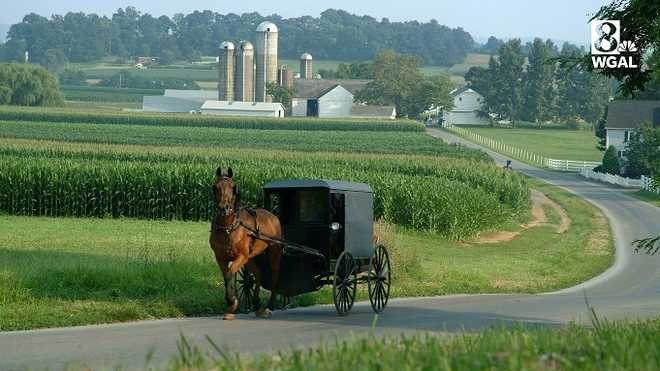
Although some Amish do vote, the professors explained that political participation is complicated within Amish life and belief.
Amish theology emphasizes what is often called a “two kingdoms” view — the church and the world — which can discourage involvement in politics. In that sense, their religious beliefs can push against electoral participation.At the same time, the Amish in Lancaster County have long been connected to the wider community. Amish men serve with volunteer fire companies, participate in blood drives and interact regularly with non-Amish neighbors and businesses. The line between separation and civic involvement is somewhat less rigid than outsiders might expect.Even so, voting is not universally encouraged.
The professors stressed that the Amish are not monolithic, and attitudes toward voting vary widely from one settlement to another. In some communities, voting may be frowned upon by church leaders. In Lancaster County, however, it appears to be more of an individual choice.
What the numbers show
According to the researchers, Lancaster County had a little more than 4,400 registered Amish voters in 2024. Of those, just over 57% turned out to vote, meaning a little more than 2,500 Amish voters cast ballots.
That number becomes smaller when viewed against the total adult Amish population in the county. The professors estimated there were more than 17,000 Amish adults in Lancaster County, meaning only about 14.6% of all eligible Amish adults voted in the 2024 presidential election.
They said that figure was generally in line with previous elections. About 13% of potential Amish voters turned out in 2004, turnout dropped to around 7% in 2016, rose to about 17% in 2020, and then dipped again in 2024.
Their conclusion was that Amish turnout in Lancaster County was notable, but not large enough to have changed the statewide presidential result in Pennsylvania, which was decided by more than 120,000 votes.
Still, they noted that in a much closer race — especially a local contest — a few thousand votes could matter.
How politicians have reached out
The professors said political outreach to Amish voters is not new. They traced organized efforts back to 2004, when members of the Lancaster County Republican Committee reached out to the Amish community during President George W. Bush’s reelection campaign.
Later efforts included political action committee advertising, billboards, print outreach and more recent door-to-door grassroots organizing by local political figures and party members.
They said one reason those efforts gained traction was because of personal connections. In Lancaster County, some Republican figures had Amish backgrounds or close ties to the community, which made outreach more credible and effective. Familiarity mattered in a community that can be insular and cautious of outsiders.
How the research was done
Because voter registration records do not identify a person’s religion or church membership, the researchers had to build their Amish voter dataset through a lengthy, manual process.
They began with Pennsylvania voter rolls for Lancaster County and filtered names based on surnames commonly found in Amish communities. From there, they compared those records by hand against an Amish church directory, matching names, addresses and birth dates to determine which registered voters were Amish.
The process was not digitized. The church directory is maintained in print form and specifically prohibits scanning or digital conversion. As a result, the project took about a year to complete.
Why many Amish register Republican
The study found that about 95% of registered Amish voters in the Lancaster settlement were registered Republicans, while less than 1% were Democrats. The rest were independents or had no party affiliation.
The professors said that pattern reflects several factors. Historically, many Amish have been drawn to conservative political views, especially those emphasizing limited government regulation, protection of small businesses and farms, and religious liberty.
They also noted that Amish people who choose to engage politically are often influenced by the communities around them. In rural Lancaster County, where Republican politics have long been dominant, those social and economic surroundings likely reinforce Republican identification.
A long-term political question
Even if Amish voting does not currently determine statewide elections, the professors said it could become more significant over time.
The Amish population grows rapidly, often doubling about every 20 years because of large family sizes. If the share of Amish adults who register to vote remains steady while the population increases, the raw number of Amish voters will continue to rise.
That means political outreach to the Amish may be less about one election and more about a long-term strategy.
Economic change and greater civic contact
The professors also said Amish political participation reflects broader changes within the Lancaster Amish community.
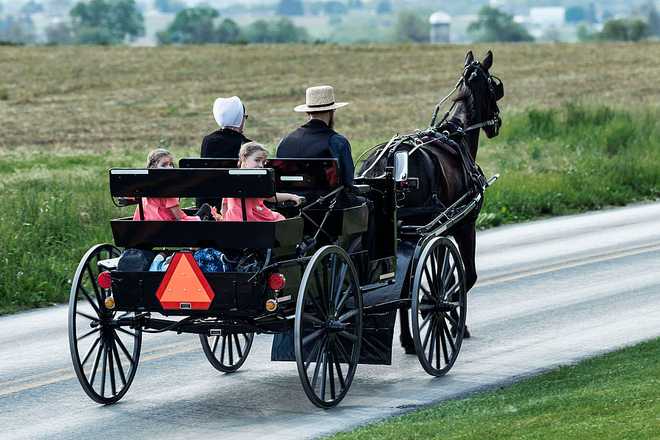
Where most Amish families were once farmers, today only about a third are. Many now work in construction, manufacturing, retail and other small businesses. As Amish families have become more connected to the regional economy, they have also become more exposed to public policy, regulation and political issues.
That shift has made government harder to avoid. In some cases, Amish businesses now interact with state programs, contracts and regulations in ways that would have been rare decades ago. The community remains distinct, the professors said, but its separation from the wider world has become less absolute.
How the Amish view government
Herman Bontrager, chairman of the National Committee for Amish Religious Freedom and a former liaison between the Amish and government, grew up Amish in Indiana.

Bontrager said the Amish see government as a necessary part of society, but also believe strongly in self-governance within their own communities and in living according to Christian teachings.
Over the years, Amish communities have negotiated accommodations with government on matters important to their faith, including exemptions from military service and Social Security participation. Bontrager said Amish leaders across the country continue to discuss shared concerns and determine how best to communicate with government officials.
Pressure from politics
Bontrager said growing attention to the Amish vote does create pressure within the community. While more Amish people have become aware of broader cultural and political issues, he said political involvement can also threaten community unity.
For the Amish, preserving the integrity of the community remains a top priority. Political participation, he suggested, can introduce division if not handled carefully.
He was not surprised that about half of registered Amish voters cast ballots in 2024, but he also said the broader attention given to the Amish vote may have been overstated.
The bottom line
Taken together, the interviews and research suggest that Amish voters in Lancaster County are politically relevant, but not politically decisive on a statewide level — at least not yet.
Their turnout in 2024 reflected a long-running but still limited pattern of participation. The Amish vote remains shaped by theology, local culture, economic change and personal relationships. And while it may not have swung Pennsylvania in 2024, it remains a population that political observers will likely keep watching in the years ahead.