
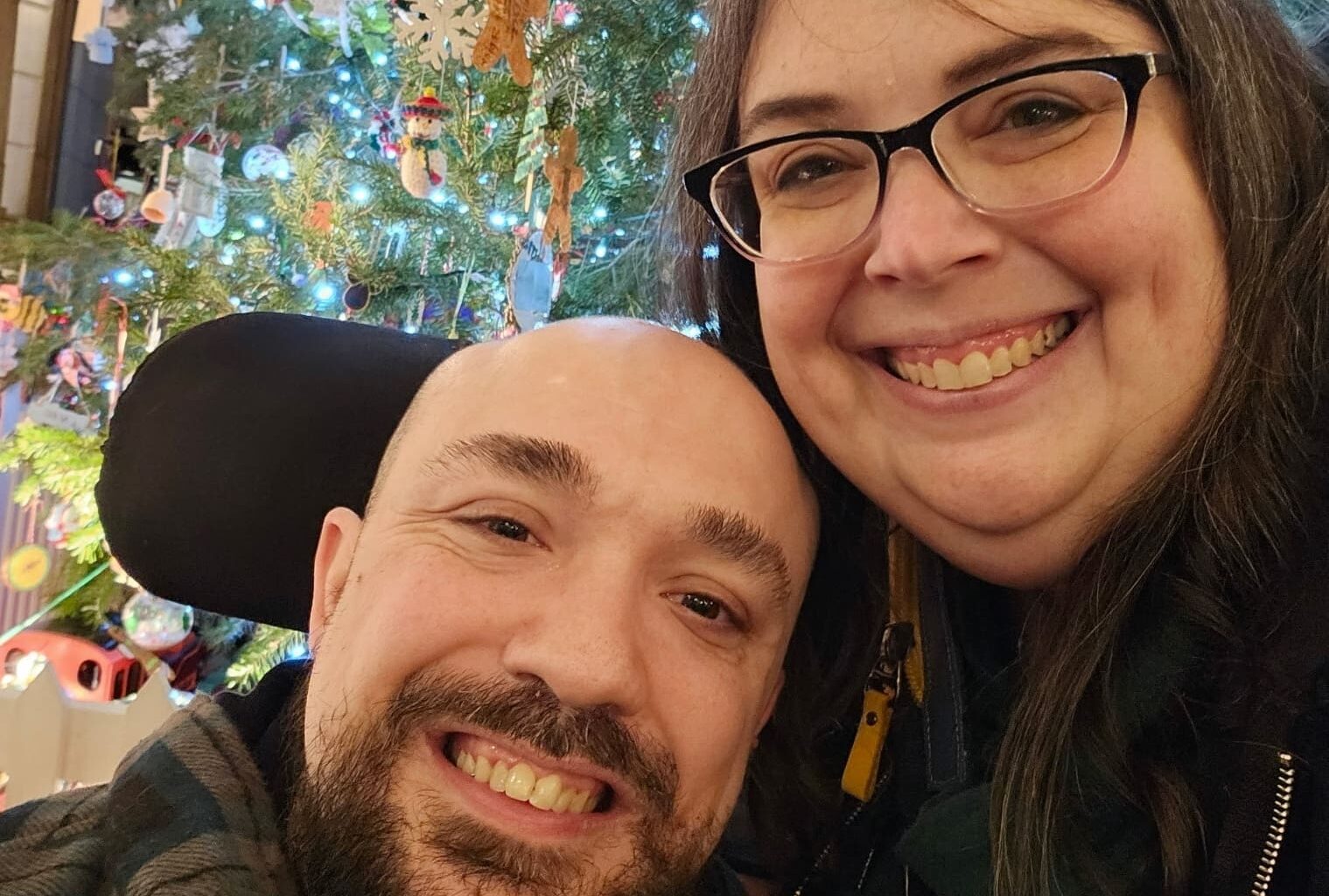
For Lynn Weidner, a homecare worker in Allentown, the arrival of spring means she’s once again able to afford ordering her mother’s favorite Chinese food.
During the winter, she explained, the heating bills are too high to spend money for the takeout.
“I’ll try to make stuff at home instead so that she can have sort of what she wants,” Weidner, who works as a caregiver for her mother as well as two other people, told the Pennsylvania Independent. “And then, now it’s springtime, the heat’s not as much. I’m like, OK, Mom, we can order Chinese.”
Weidner works about 80 hours a week caring for her mother, who has Alzheimer’s; her partner, who has cerebral palsy; and her 2-year-old niece. While money has long been tight, these days are especially difficult. After congressional Republicans did not extend the Affordable Care Act tax credits that helped tens of millions of Americans purchase health insurance through their state marketplaces, Weidner’s healthcare premium increased from $400 to $700 a month in January.
Grocery costs, too, are rising, as is the price of oil amid the ongoing war in Iran.
“Gas prices right now are ridiculous,” Weidner said. “I’m like, OK, I have to go and take somebody to an appointment. I have an eighth of a tank. Can I make it there and back before payday so that I can get them to their appointment? Or do I need to ask my brother for a couple bucks to put in my gas tank?”
Across Pennsylvania, people are struggling in the wake of congressional Republicans’ policy decisions. These include cuts to Medicaid and federal food assistance in the One Big Beautiful Bill Act that President Donald Trump signed into law last year, Affordable Pennsylvania executive director Rachele Fortier said during a May 5 press call.
Fortier specifically criticized U.S. Reps. Ryan Mackenzie, Rob Bresnahan and Scott Perry for backing the cuts. The three congressmen represent districts that Democrats are hoping to flip in November’s election.
The offices of Mackenzie, Bresnahan and Perry did not respond to requests for comment.
During the call, which was held to share the stories of parents and caregivers ahead of Mother’s Day, and in subsequent interviews with the Pennsylvania Independent, individuals shared their experiences with rising costs and how the increases are harming them and their families.
Krysten Xanthis, who lives with her mom and earns $13 an hour as a homecare worker, said the cuts to the Supplemental Nutrition Assistance Program have made it especially difficult to afford food.
“At this time, my refrigerator is basically, I guess you could say on ‘e,’” Xanthis said during the call. “I don’t have enough funds to go to the grocery store to get an order or pay the utilities. It’s either one or the other.”
Xanthis, Weidner and others on the call condemned Republicans’ support for the budget law and said the cuts to Medicaid and SNAP could prompt people to try to vote them out of office come November. All 435 seats in the House of Representatives are up for election in November. Currently, Republicans control the House with 218 seats against Democrats’ 212.
“Maybe they should understand that just because you’re not a billionaire, just because you don’t have a ton of money, doesn’t mean that you’re any less of a human,” Xanthis said. “I don’t think anywhere in life, that they ever sat there and thought, How am I going to afford the utility and the food?
“I try to work to pay for the groceries, but I can only work so much with a leg injury,” Xanthis continued. “So right now, I don’t have much in my cabinets. I think I have a half a box of pasta left. I think these people need to understand that these cuts are hurting people a great deal.”
Arona East, who lives in Harrisburg, said she, her partner and her 20-year-old son no longer have health insurance because it’s too expensive. Through her work, a family plan would cost her $800 per pay period, and a state marketplace plan with a high deductible would cost about $650 a month, East said.
“Right now, I’m not able to pay for the marketplace insurance because it’s just astronomical,” East told the Pennsylvania Independent. “I’m in my 40s and going through perimenopause. I’m not able to go talk to someone about my symptoms or what’s going on because it’s all unaffordable.”
Rising healthcare costs will play a major role in the midterm elections, voters said in a KFF poll published on April 29. According to the poll, about nine in 10 voters said healthcare costs will influence their decision to vote and which candidates to back in the midterms. Healthcare costs and gas are now the top financial concerns for voters, with 64% of survey respondents saying they are worried about being able to afford healthcare. About one-third of Americans report they are cutting back on items like gas or food in order to pay for healthcare.
Weidner, who noted she’s living paycheck to paycheck, said she constantly has medical debt for treatment of her iron-deficient anemia.
“Even with my insurance, I always have a bill,” she said. “It’s not like I ever don’t have medical debt. I just put it in a payment plan at the hospital, and then I pay a little bit all the time because when the beginning of the year starts and my deductible restarts, it all goes right back onto the payment plan. So I just always have a revolving door of medical debt.”
These mounting costs have left parents and caregivers feeling deeply tired, angry and often defeated. Who, they asked, in the government is looking out for them?
“These politicians, they just aren’t for us anymore,” East said. “It’s like, throw them all away. We need to just restart. Like, what is going on?”
“It literally feels like a personal attack, like the administration is constantly threatening my life,” Weidner said. “It’s not like I have any control over it.
“They like to make it seem that people on Medicaid or people who use SNAP or whatever, that we’re somehow draining the system,” Weidner continued. “But, honestly, we get the assistance; we put the money right back into the economy. And the people who they’re cutting taxes for who should be paying, they’re not doing the same thing. They’re not putting that money back into the economy. They’re hoarding it.”