
Puberty, drugs and everything in between
The Delema G. Deaver Health Education Center opened in 1995, and it became known for using technology that was considered ahead of its time.
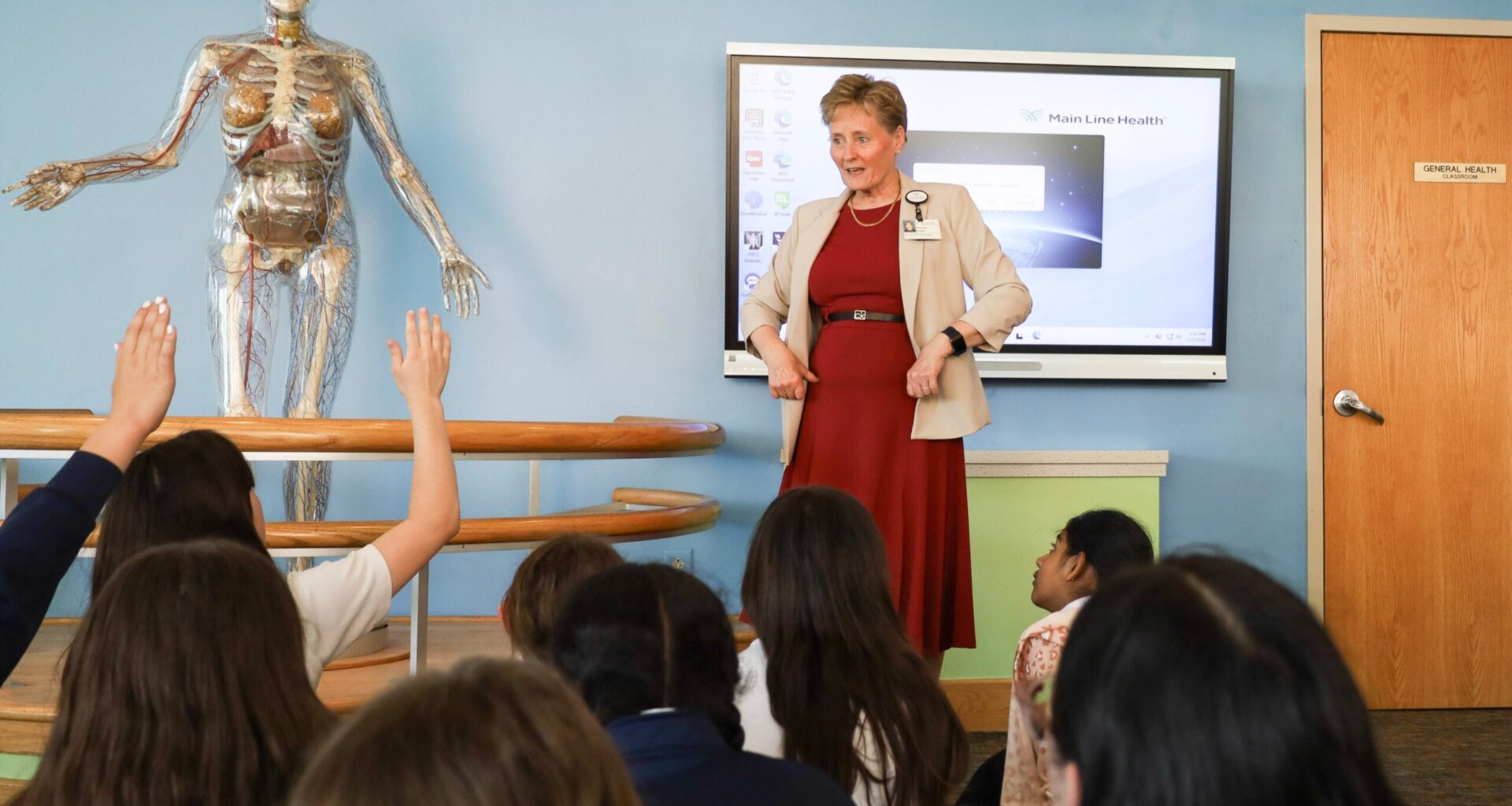
The center’s classrooms are no ordinary spaces. Instead of dry-erase boards or static posters, three-dimensional interactive anatomical models decorate the room.
A sliced-open model of an artery shows students how blood flows through the body — and how fatty buildup from an unhealthy diet can block the passageways.
A giant clear brain on the wall made with plexiglass, lasers and sensors is used to show the different parts of the brain. Health educators make different sections light up as they talk about the cerebrum, hypothalamus and cerebellum, and how thinking, mood and balance could be impaired by alcohol.
And an enlarged model of a uterus shows the stages of menstruation and fertilization as light sensors highlight the ovaries, fallopian tubes and how eggs travel.
It only took about 20 minutes for the girls in Krouse’s class to shed their shyness and start asking questions — a lot of questions. A sea of hands shot in the air as Krouse called on them one at a time.
“Why do some people’s periods last longer?” one girl asked.
“What are the normal ages that you can get your period?” another student wondered.
“How do cramps happen?” a third quickly added.
Their homeroom teacher and field trip leader, Maria Fraser, who teaches math and science at St. Elizabeth’s, said it was exciting to see her students so interested and engaged.
“Because they’re all going through these changes themselves, I think there’s a sense of relief, almost, to be provided with a forum that they could ask these questions … and get the right answers,” she said.
Learning about the stages of pregnancy and how a baby develops in a detailed, but age-appropriate way, was also a highlight, Fraser said, especially for a Catholic school like St. Elizabeth’s.
In another classroom next door, sixth-grade boys learned about the functions of the brain and nervous system. Wellness education specialist Kara Chivalette explained how a person could become increasingly impaired the more alcohol they drink.
“You had more to drink, it’s in your brain, it’s going to the next level,” Chivalette said as she walked them through a scenario. “Now you’re falling over, you fell down the steps. More beer, it goes to your brain stem. You actually could be killed, so this is pretty serious.”
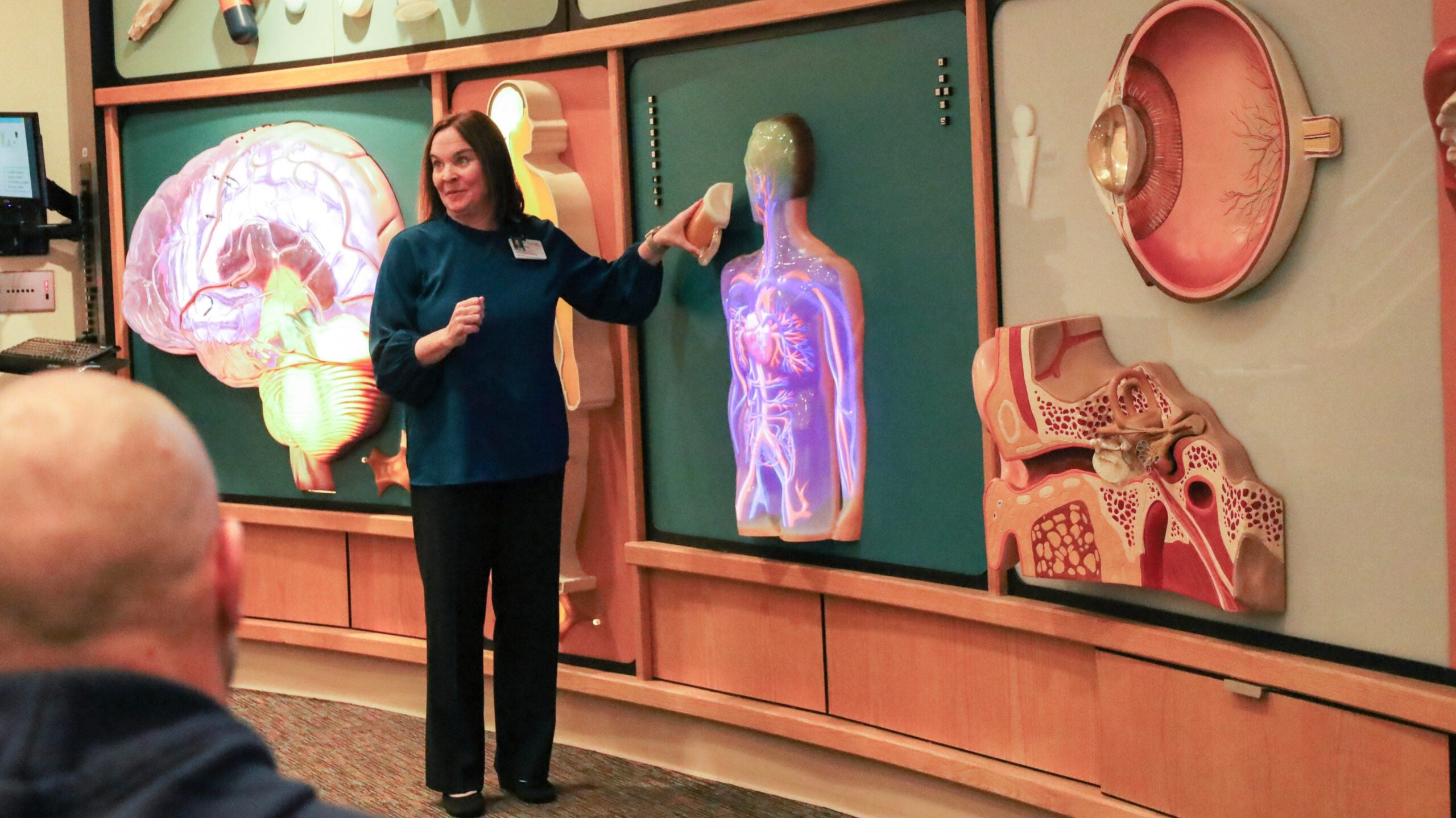 Kara Chivalette, wellness education specialist at Lankenau Medical Center, uses interactive models made with plexiglass and LED light sensors to teach students about the cardiovascular system and how the body can be affected by cigarette smoking and vaping on Tuesday, May 5, 2026.
Chivalette pointed to a picture on a TV screen showing one glass of wine, a pitcher of beer and a single shot of hard alcohol, and asked the boys which one they thought had the most alcohol content.
“So, raise your hand if you think it is the glass of wine,” she said, and a couple kids put their hands in the air. “Raise your hand if you think the 12 ounces of beer,” she said, and several more students raised their hands. “Raise your hand if you think it’s the whisky,” she said, and only a few boys had their hands up.
“What do you think?” Chivalette asked one student who hadn’t raised his hand to any of the options.
“I think it’s all the same,” he told her.
“You think it’s all the same?” Chivalette responded with a smile. “You’re right. It is all the same.”
The field trip and the lessons create an opportunity for kids to go home and have more in-depth discussions with their parents and guardians, Fraser said.
“It gives them an opportunity now, I think, with some confidence to go home and have those conversations,” Fraser said. “It kind of gives them an excuse to say, ‘Hey Mom, we did this today. You know, what exactly does this mean?’”