
After seeing family members’ health struggles, two Parkland High School students have made apps to help others who face the same issues.
Senior Tushar Mehta is a recent winner of the 2026 National STEM Challenge for designing an advanced artificial intelligence tool called PulmoAID. Freshman Devansh Garg is the 7th District’s winner of the 2025 Congressional App Challenge for his mobility assistance app, SafeStep.
Here’s what you need to know about the teens, and their programs.
A way to detect cancer?
Across the U.S. and multiple territories, there were 55 winners selected for the 2026 National STEM Challenge; Mehta with PulmoAID was the only winner in Pennsylvania.
Mehta said that his grandfather, who lived in India, died from cancer. He said he designed his app with the intention of helping people find out about their cancer earlier, when they have the highest chance of surviving if they receive treatment.
“India is one of these countries where the resources are very limited, and there’s a shortage of radiologists. No matter what cancer or even disease you’re experiencing, if you have a shortage of radiologists, it’s going to be very hard to detect the cancer or the disease in an early stage,” Mehta said.
He added that even in the U.S., incorrect diagnoses can occur. PulmoAID is 91% accurate, he said, and while it could be used in any country, Mehta said he specifically designed it for countries in the developing world or ones with fewer resources to help overcome radiologist shortages.
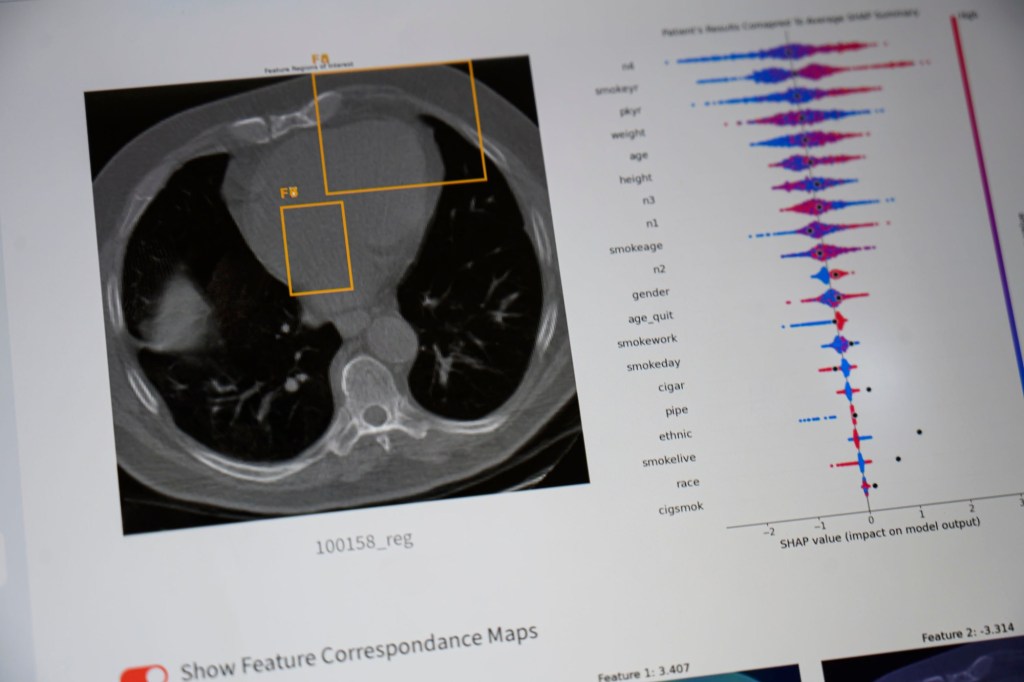
Mehta said there is existing technology that can detect illness or health problems through imaging, such as CT scans or MRIs, but what separates PulmoAID from others is that it is capable of making its decisions based on factors in the patient’s medical history other than just the individual scan.
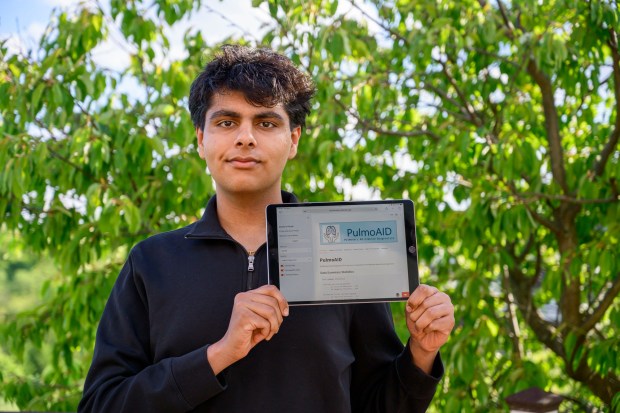 Tushar Mehta, a Parkland High Senior, stands with his iPad on Thursday, May 7, 2026, in Orefield. Mehta recently won the 2026 National STEM Challenge for designing the app PulmoAid, which can help diagnose lung cancer based on medical scans. He previously won the 2022 Congressional App Challenge after designing the app recyclebot. (April Gamiz/The Morning Call)
“It also takes in the different demographic variables of the patients, such as their smoking history, whether it’s themselves smoking or someone in their house smoking, as well as their genetic information, such as if someone in their family has previously had lung cancer or any other cancer,” Mehta said.
He added that the decisions PulmoAID makes are not a black box hidden from users. It will provide written explanations and data visualizations that can easily be understood by patients and physicians, explaining how it came to the conclusion that it did.
Mehta’s family has a programming background. His mother and father both work in computer science or engineering at Air Products. Mehta began programming in elementary school through his school’s LEGO robotics team. He was previously recognized as the winner of the 2022 Congressional App Challenge for the 7th District, with RecycleBot, an application software to tell users whether an item is compostable or recyclable by photo analysis. He plans to pursue bioengineering and computer science in college.
Mehta said creating PulmoAID was a serious step up in complexity from anything he had done before. One of the most involved and intensive aspects was training the AI model on the 400,000 CT image scans he received.
He said he spent every day after school working on the project, but the real challenge was training the AI model on the images, which he said could sometimes take 24 hours and took a significant chunk out of many of his weekends. He said it took him five months total to finish the app. While he was doing this, he was still involved in volunteering, the robotics team and other extracurricular activities in school.
“One thing that kept me going was my passion and curiosity for the love of the language of computer, like the computer science itself,” Mehta said.
Mehta said he would like to put the app into the market someday but has been facing challenges. One is that he would have to make it compliant with the Health Insurance Portability and Accountability Act, and validation studies would be required.
“It’s definitely a big process that I haven’t made any progress on and that’s why I’m trying to find the right direction to take and emailing as many people as possible,” Mehta said.
Ensuring safety
Devansh Garg, a Parkland High School freshman, demonstrates the SafeStep app Wednesday, May 6, 2026, in Breinigsville. He recently won the Congressional App Challenge for designing the app, which uses a device attached to a cane to help people who need assistance walking avoid obstacles that could cause a fall. (April Gamiz/The Morning Call)
Devansh Garg, a Parkland High School freshman, demonstrates the SafeStep app Wednesday, May 6, 2026, in Breinigsville. He recently won the Congressional App Challenge for designing the app, which uses a device attached to a cane to help people who need assistance walking avoid obstacles that could cause a fall. (April Gamiz/The Morning Call)
Devansh Garg, a Parkland High School freshman, demonstrates the SafeStep app Wednesday, May 6, 2026, in Breinigsville. He recently won the Congressional App Challenge for designing the app, which uses a device attached to a cane to help people who need assistance walking avoid obstacles that could cause a fall. (April Gamiz/The Morning Call)
Devansh Garg, a Parkland High School freshman, demonstrates the SafeStep app Wednesday, May 6, 2026, in Breinigsville. He recently won the Congressional App Challenge for designing the app, which uses a device attached to a cane to help people who need assistance walking avoid obstacles that could cause a fall. (April Gamiz/The Morning Call)

Devansh Garg, a Parkland High School freshman, demonstrates the SafeStep app Wednesday, May 6, 2026, in Breinigsville. He recently won the Congressional App Challenge for designing the app, which uses a device attached to a cane to help people who need assistance walking avoid obstacles that could cause a fall. (April Gamiz/The Morning Call)
Devansh Garg, a Parkland High School freshman, demonstrates the SafeStep app Wednesday, May 6, 2026, in Breinigsville. He recently won the Congressional App Challenge for designing the app, which uses a device attached to a cane to help people who need assistance walking avoid obstacles that could cause a fall. (April Gamiz/The Morning Call)
Devansh Garg, a Parkland High School freshman, demonstrates the SafeStep app Wednesday, May 6, 2026, in Breinigsville. He recently won the Congressional App Challenge for designing the app, which uses a device attached to a cane to help people who need assistance walking avoid obstacles that could cause a fall. (April Gamiz/The Morning Call)
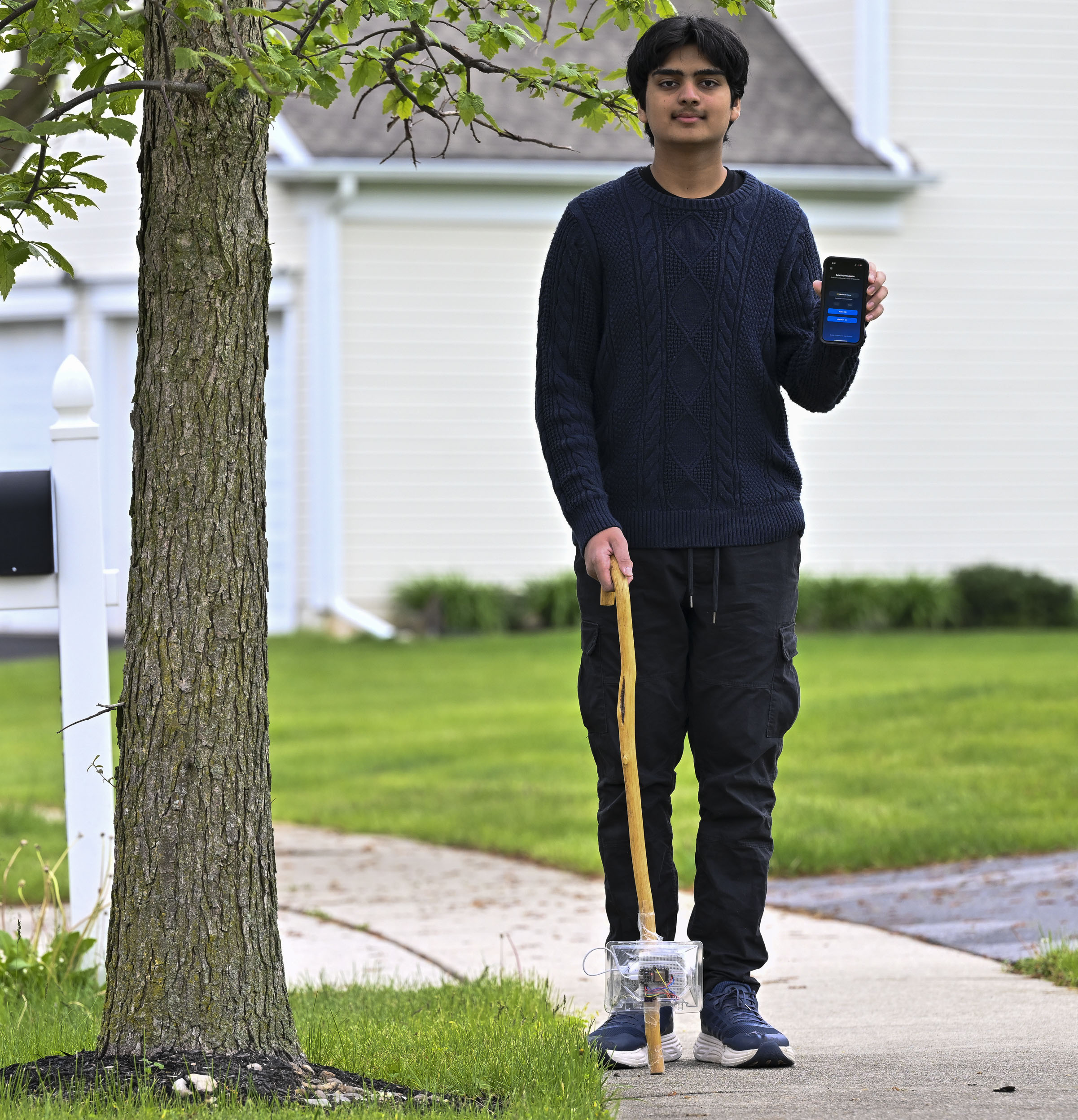
Devansh Garg, a Parkland High School freshman, demonstrates the SafeStep app Wednesday, May 6, 2026, in Breinigsville. He recently won the Congressional App Challenge for designing the app, which uses a device attached to a cane to help people who need assistance walking avoid obstacles that could cause a fall. (April Gamiz/The Morning Call)
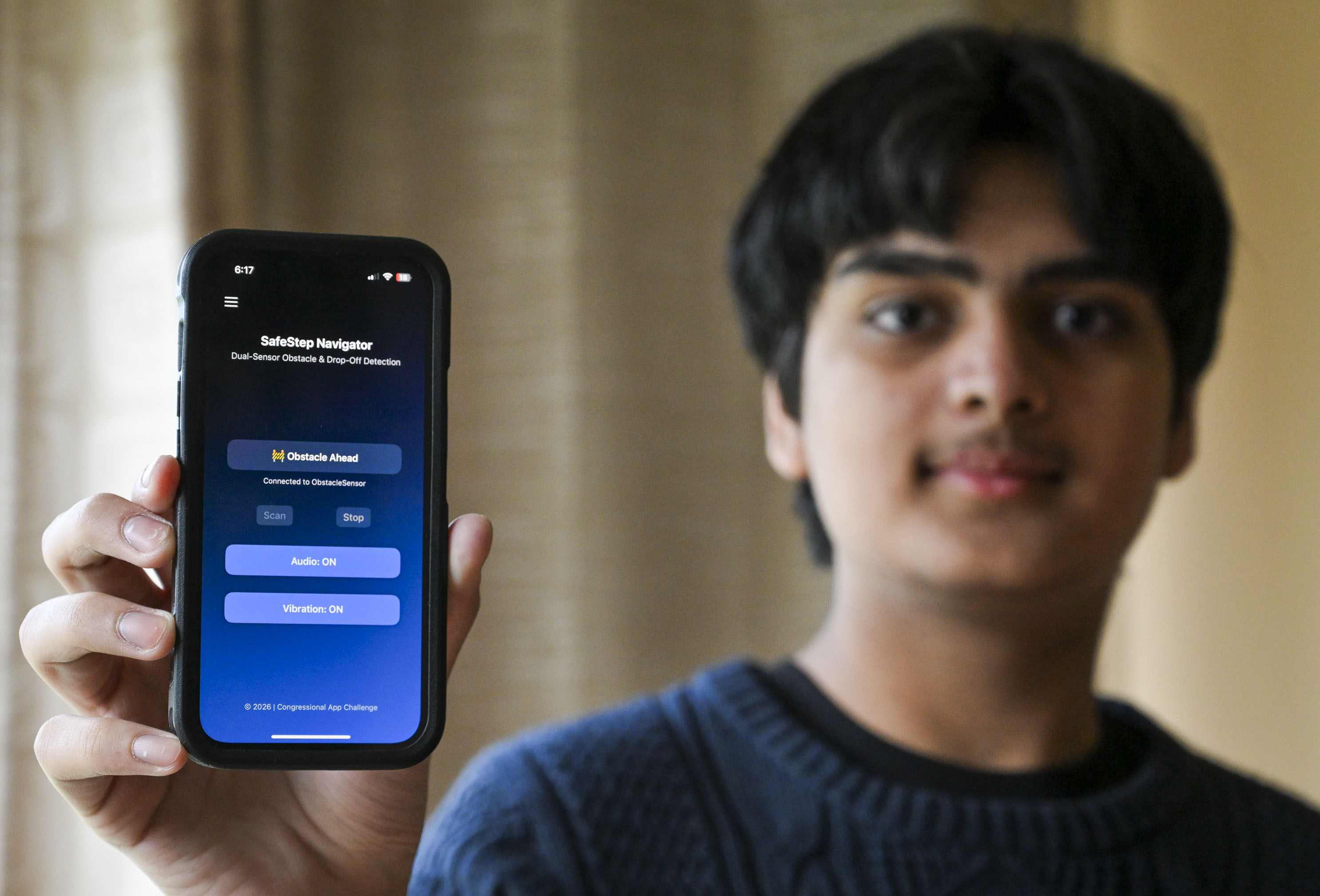
Devansh Garg, a Parkland High School freshman, demonstrates the SafeStep app Wednesday, May 6, 2026, in Breinigsville. He recently won the Congressional App Challenge for designing the app, which uses a device attached to a cane to help people who need assistance walking avoid obstacles that could cause a fall. (April Gamiz/The Morning Call)
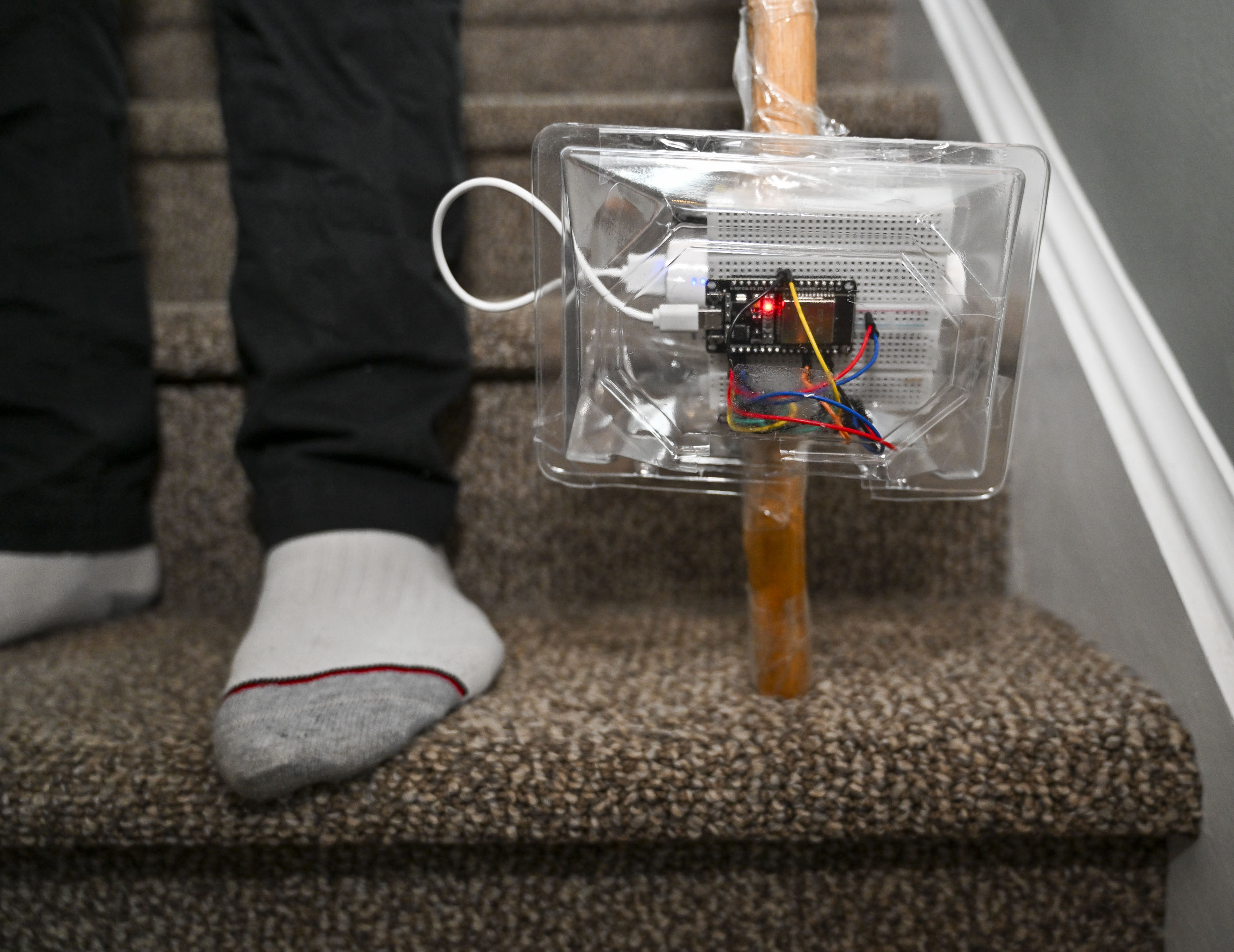
Devansh Garg, a Parkland High School freshman, demonstrates the SafeStep app Wednesday, May 6, 2026, in Breinigsville. He recently won the Congressional App Challenge for designing the app, which uses a device attached to a cane to help people who need assistance walking avoid obstacles that could cause a fall. (April Gamiz/The Morning Call)
Show Caption
1 of 10
Devansh Garg, a Parkland High School freshman, demonstrates the SafeStep app Wednesday, May 6, 2026, in Breinigsville. He recently won the Congressional App Challenge for designing the app, which uses a device attached to a cane to help people who need assistance walking avoid obstacles that could cause a fall. (April Gamiz/The Morning Call)
Like Mehta, Garg said he was inspired to create his app by family members’ health struggles.
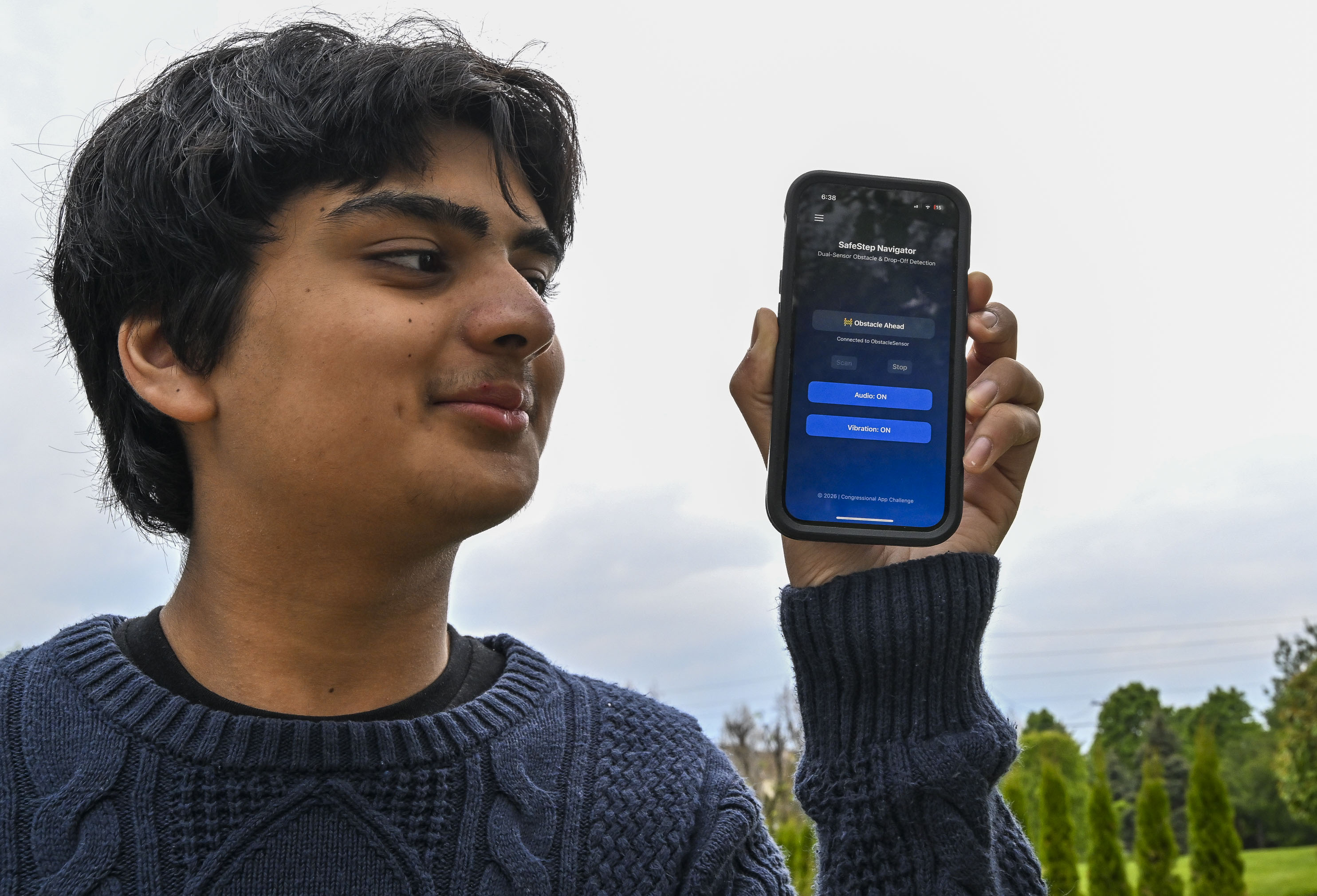
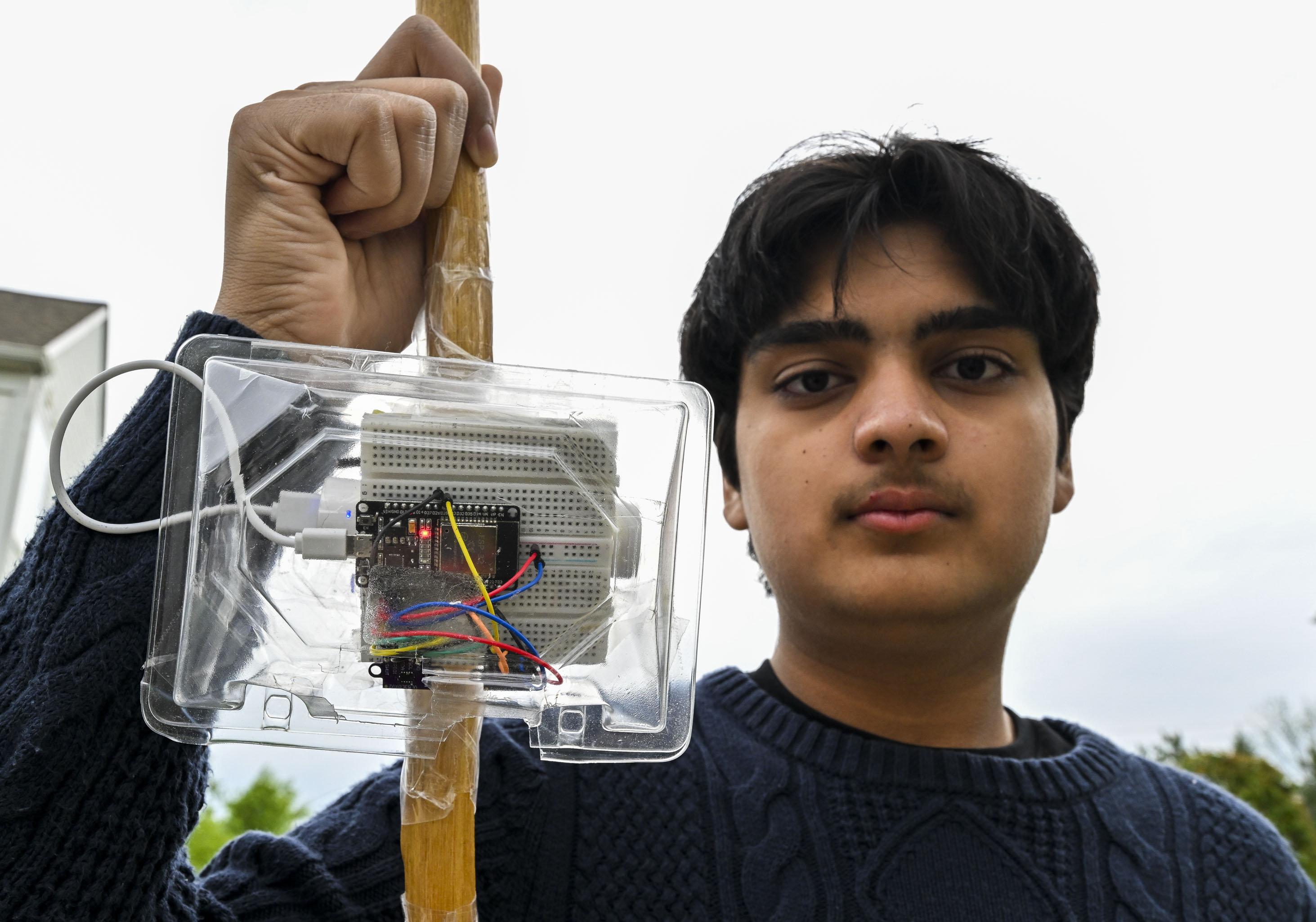
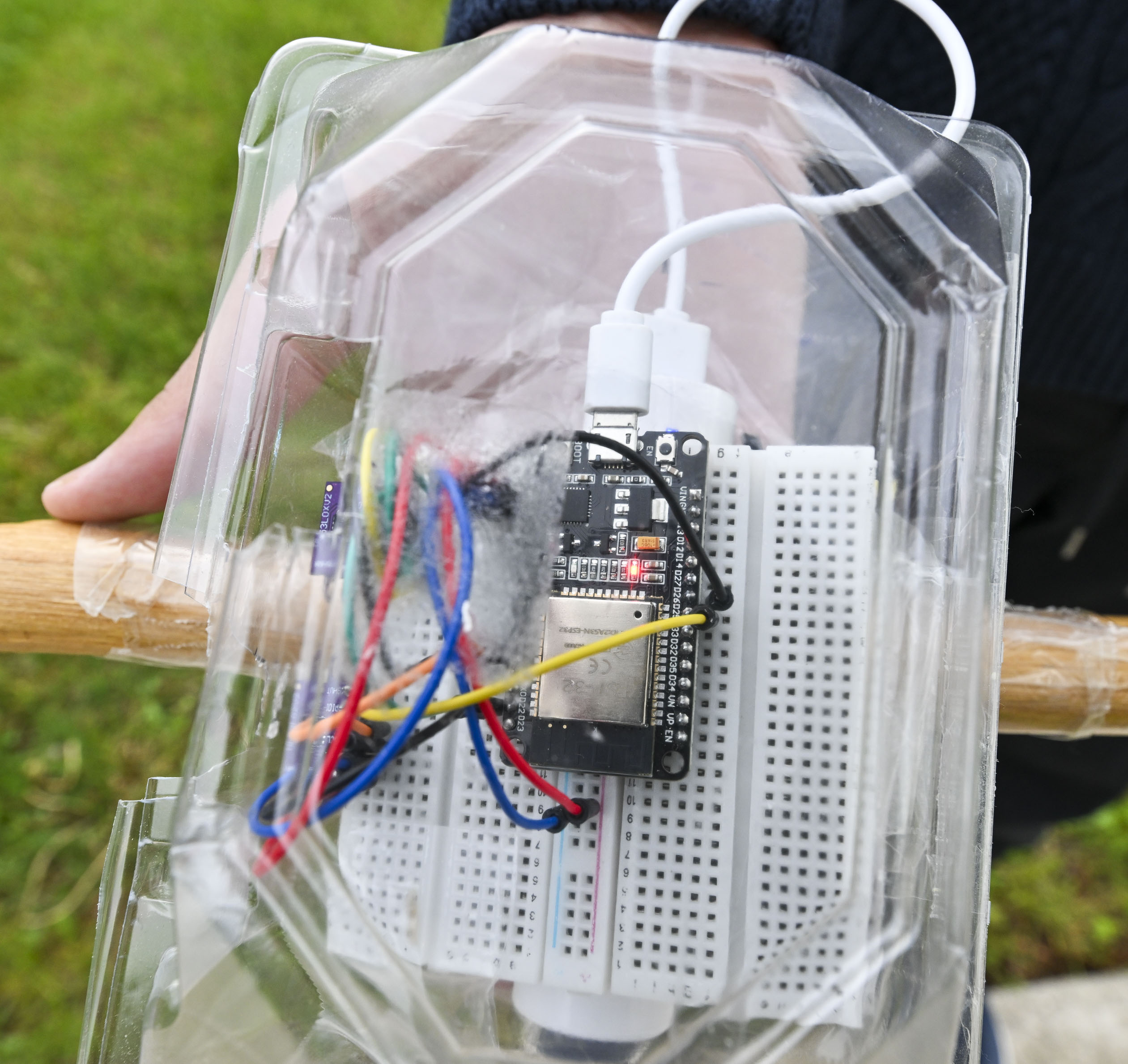
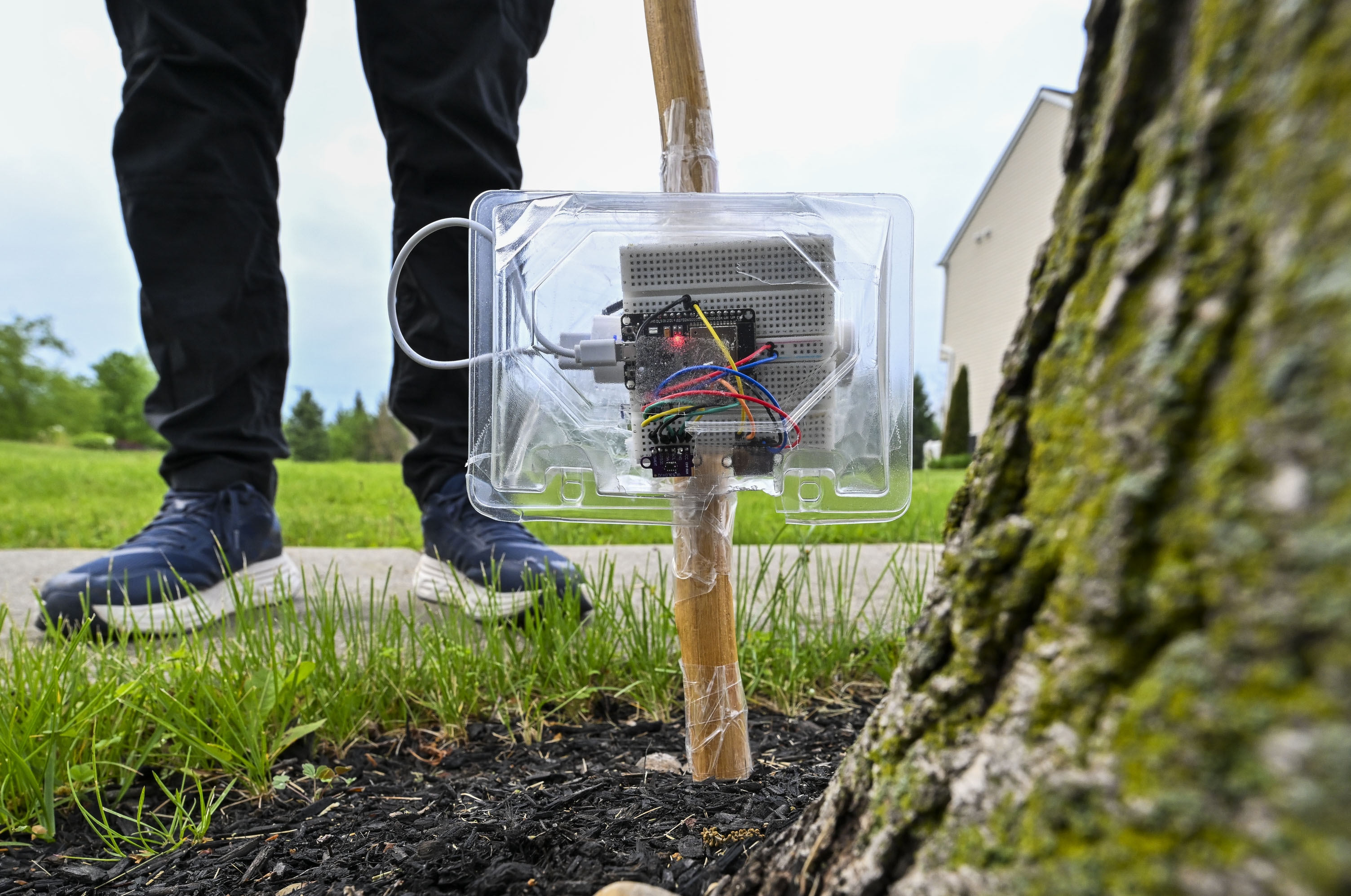
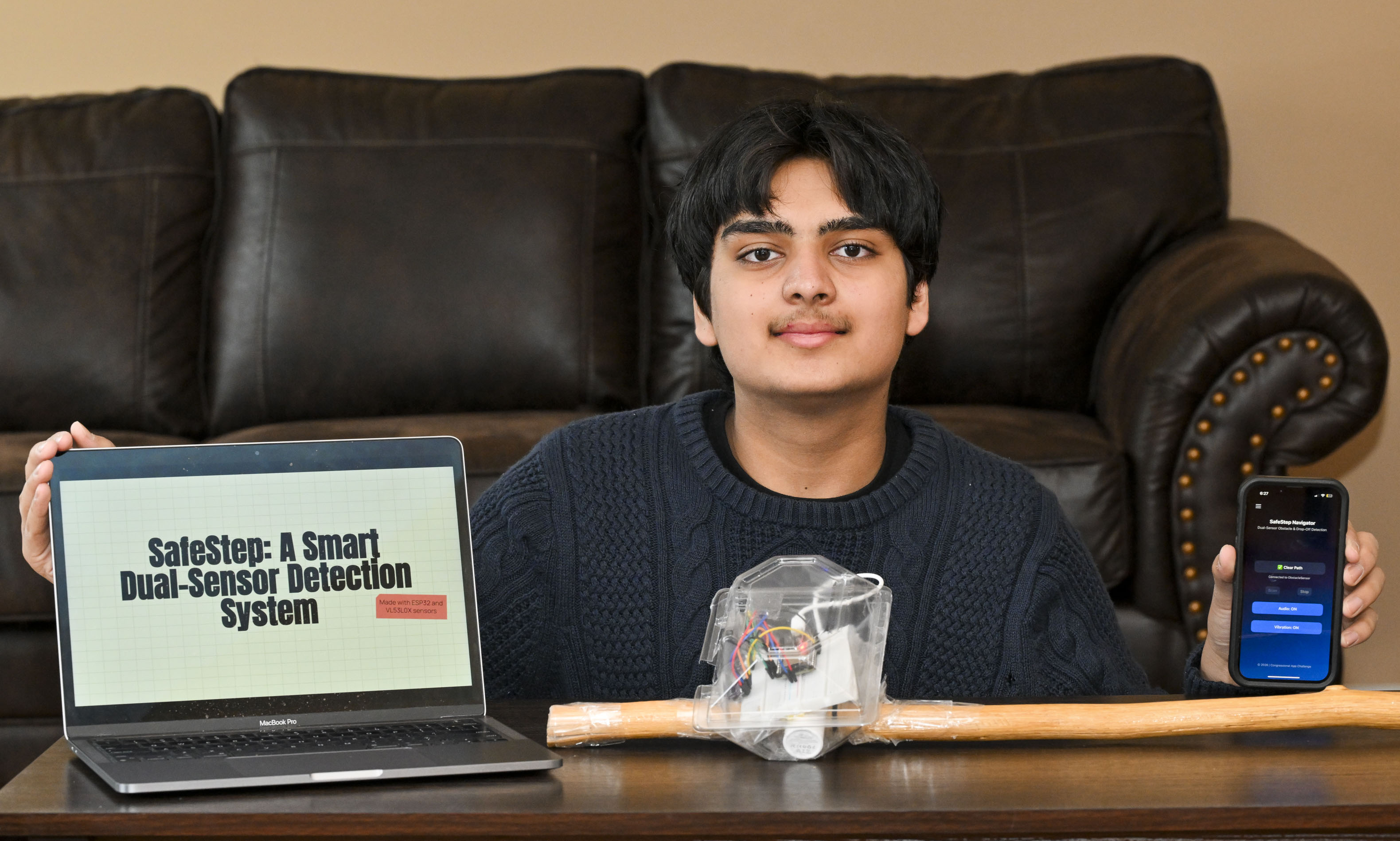
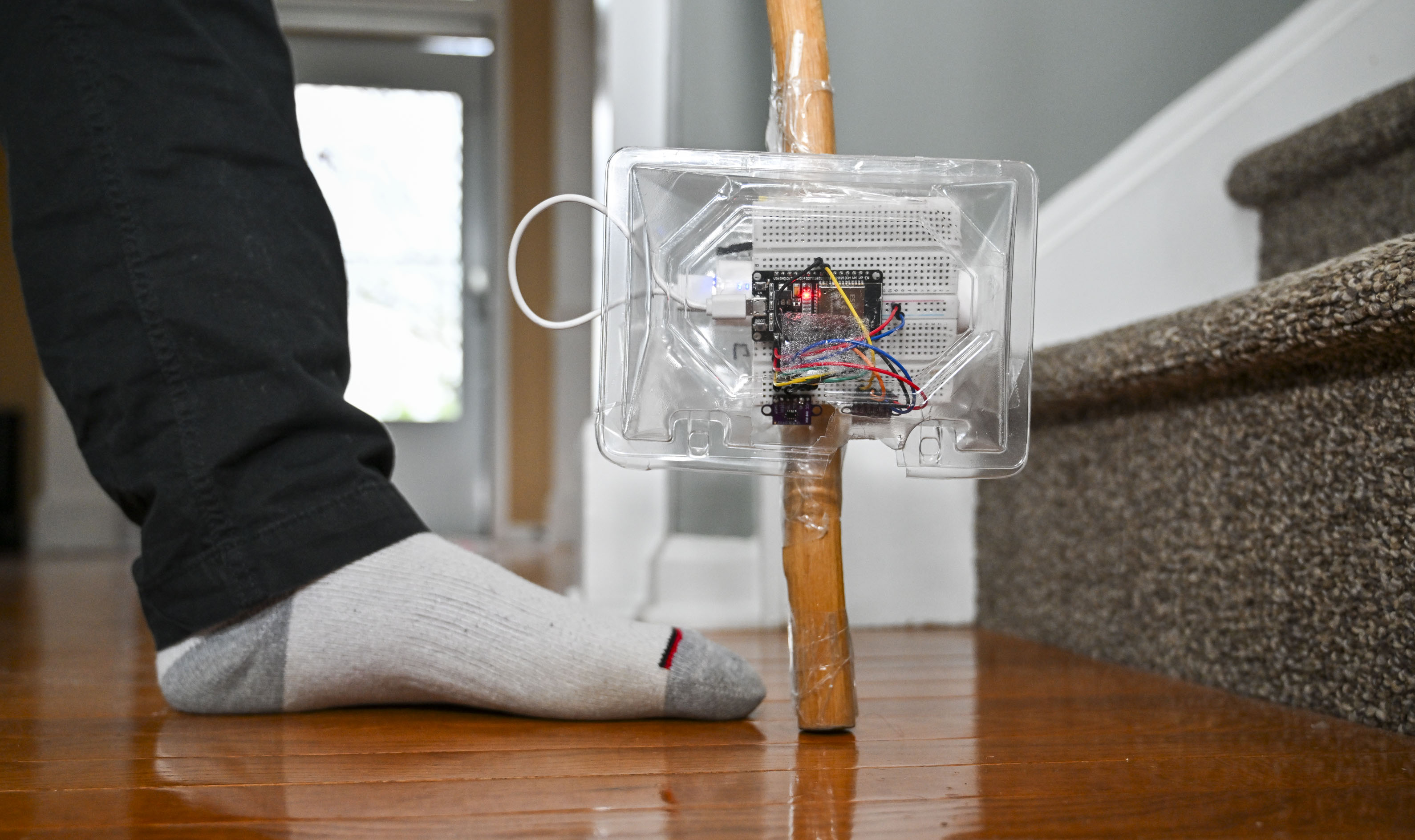
Garg said he designed his app, SafeStep, an app for iOS devices, because both his mother and grandmother have suffered bad injuries after falls and he wanted to help them and the many others around the world who have mobility problems that increase their risk of falling. The app works in tandem with a sensor device that is attached to a cane and connected to the phone via Bluetooth. When an object, obstacle, drop off or some other risk factor is on the path, the device on the cane will sense it and then alert the user to the danger.
However, Garg didn’t just design the app, he also designed the sensor that attaches to the cane.
“It was a good amount of research, especially trying to find all the specific tools that I would need to use and especially at the cost. I wanted to make sure that everything remained cost-effective,” Garg said.
This combo of ingenuity is what helped him win the Congressional App Challenge, an annual competition for middle and high school students across the country.
In total, he said it took him about four weeks to build the device and program the app. Garg wasn’t just focused on making the app and school, though. He also participates in basketball, Parkland’s debate society, as well as some other clubs and extracurricular activities.
He added that the idea behind the app is not entirely novel; there are smart canes on the market with associated apps that function similarly, but what is unique about his device is that it can be attached to any cane and is less expensive to produce.
“If I were to eventually start to sell this, then I could sell it for a cheaper price compared to something on the market right now,” Garg said. “The cheapest thing on the market right now for smart canes is $750. And SafeStep, it’s less than $100. If I were to sell it, I would sell it for less than $100. That’s so much money that isn’t going to be spent on a smart cane and it’s going to help just as many people, hopefully more, especially with that affordability.”
Garg said he started coding and programming in the fifth grade when he took a class on the open source programming language, Swift.
“I fell in love with coding and all throughout COVID, I kept coding,” Garg said.
Like Mehta, with PulmoAID, Garg said that he would like to launch his app and sell his device.
“I would definitely need to make some changes to the system and to the app if I were to launch it,” Garg said. “Hopefully, over the summer, I can refine everything and then launch it to the app store and make it a product.”