
Lehigh Valley residents got an opportunity to learn more about the present and future of data centers in the region thanks to the League of Women Voters of Lehigh County on Thursday evening.
In a panel discussion hosted by the group at the Lehigh Valley Active Life Center in Allentown, state Rep. Mike Schlossberg, attorney Blake Marles, planner Richard Roseberry, and environmental attorney and deputy director of the Clean Air Council of Philadelphia, Kathryn Urbanowicz, discussed some of the basics of data centers and how residents can be involved in the discussion.
And the topic drew plenty of attention from the public, which nearly filled the room to learn about data centers and what can be done about their development in the Lehigh Valley.
Schlossberg said data centers have become a “hot topic” in Harrisburg, especially for the Lehigh Valley and its surrounding counties. Two projects are proposed in his district, the 132nd — one in South Whitehall Township and one in Upper Macungie.
Schlossberg said the state House has passed four pieces of data center-related legislation, including House Bill 1834, which would allow the Pennsylvania Public Utilities Commission to set regulations on data centers and their energy use and associated cost.
“That’s probably the most significant piece of legislation that we passed,” Schlossberg said.
Other bills would mandate that data centers report water, labor and electricity use and other metrics to state and local governments; allow local governments to stop data centers based on water usage; and create model ordinances for data center development.
“House Bill 2150, which mandates reporting to state and local governments from data centers for a variety of metrics, including water, labor, electricity and more; House Bill 2246, which allows for local governments to examine water use and potentially stop a data center if it’s determined that too much water is being withdrawn; and House Bill 2151, which orders a local government commission to create model ordinances. “]This is particularly useful for smaller levels of government who maybe don’t have the level of expertise that larger units of government have,” Schlossberg said.
Those four bills have passed the state House, but have yet to be voted upon in the Senate.
Schlossberg said tax incentives for data center developers would likely remain, though they could be tweaked to be “more fair” for residents as they could face increasing energy costs.
Questioned on moratoriums for data centers to allow legislators and the public to consider regulation, Schlossberg appeared skeptical, bluntly stating such bans on particular industries were illegal. Instead, “We just have to have conversations about where and how they go.”
Roseberry provided insight on how sites are selected for particular data center projects, and how size and energy factor in. Data centers, Roseberry explained, aren’t even new — in fact, there are plenty of small operations or “enterprise systems” throughout the country already.
“The hyperscalers are the ones everybody’s scared about. That’s the Googles, the Amazons, the Oracles. These are very large data center complexes, not just single buildings,” Roseberry said.
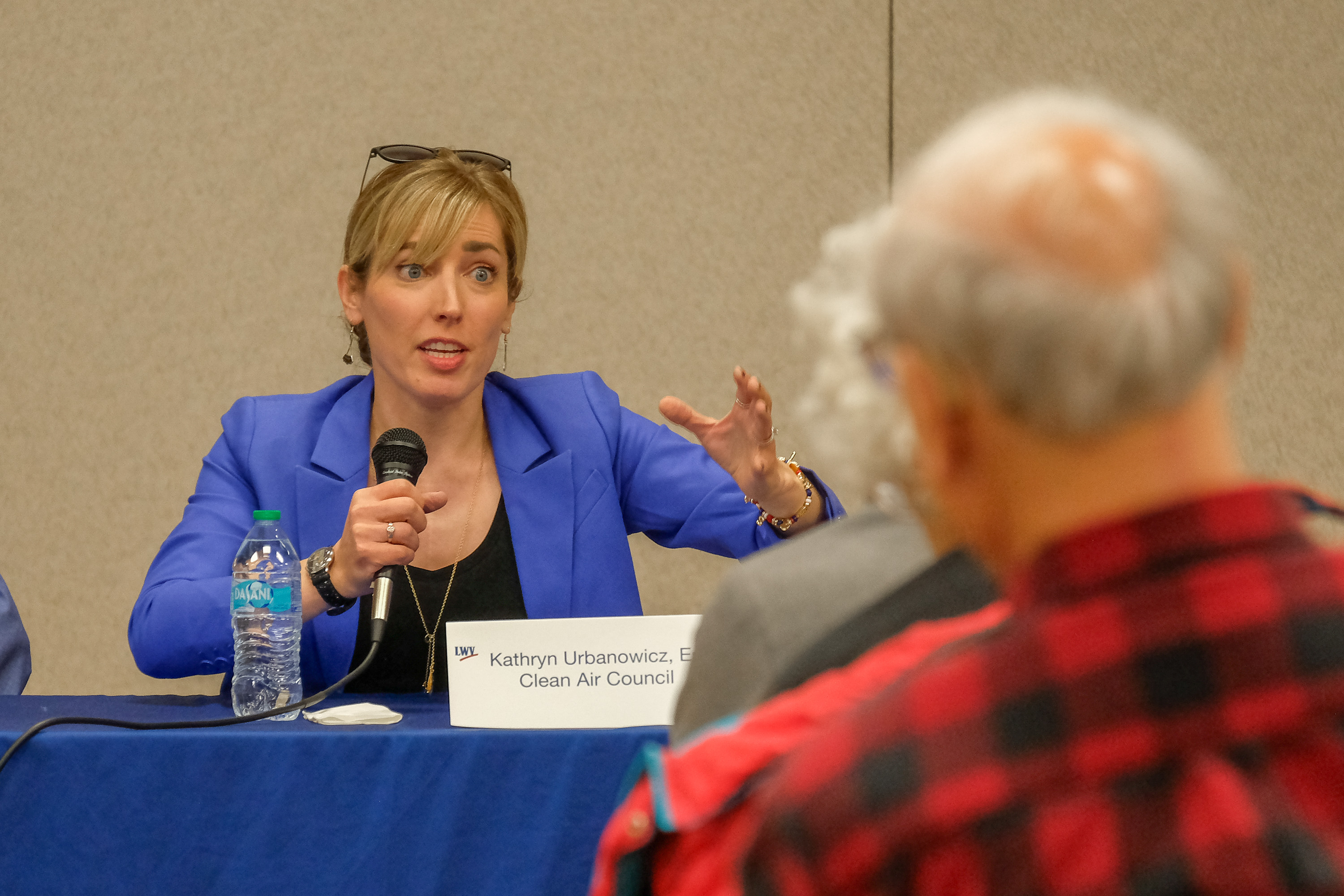
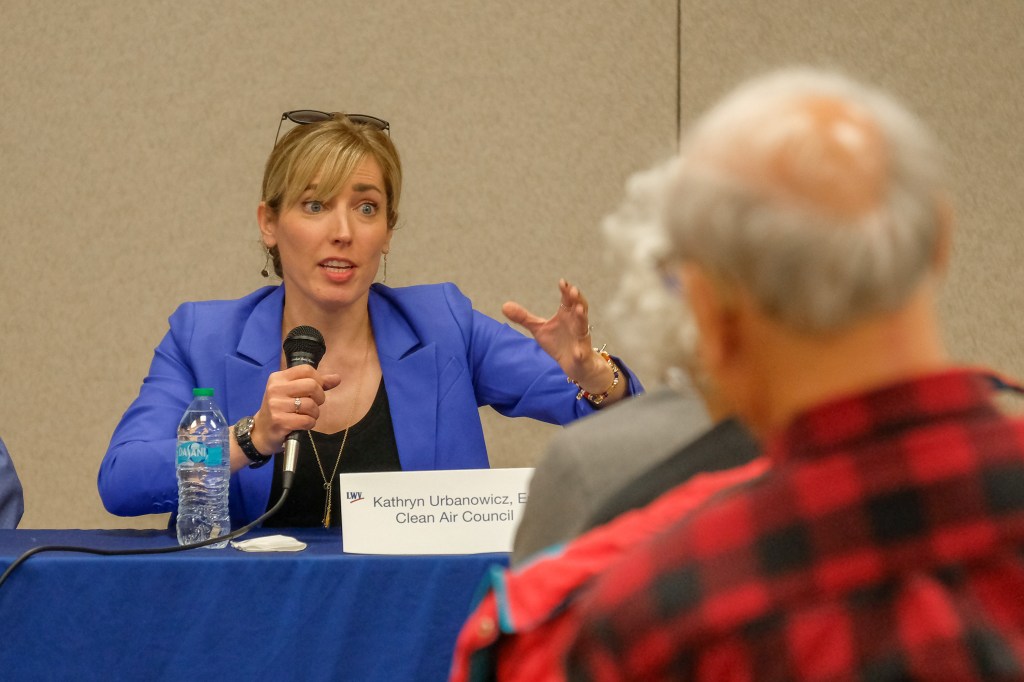
Kathryn Urbanowicz of the Clean Air Council addresses the audience at the League of Women Voters of Lehigh County’s panel discussion on data center development in the Lehigh Valley on Thursday, May 14, 2026 in Allentown. (Sharon Merkel/Special to The Morning Call)
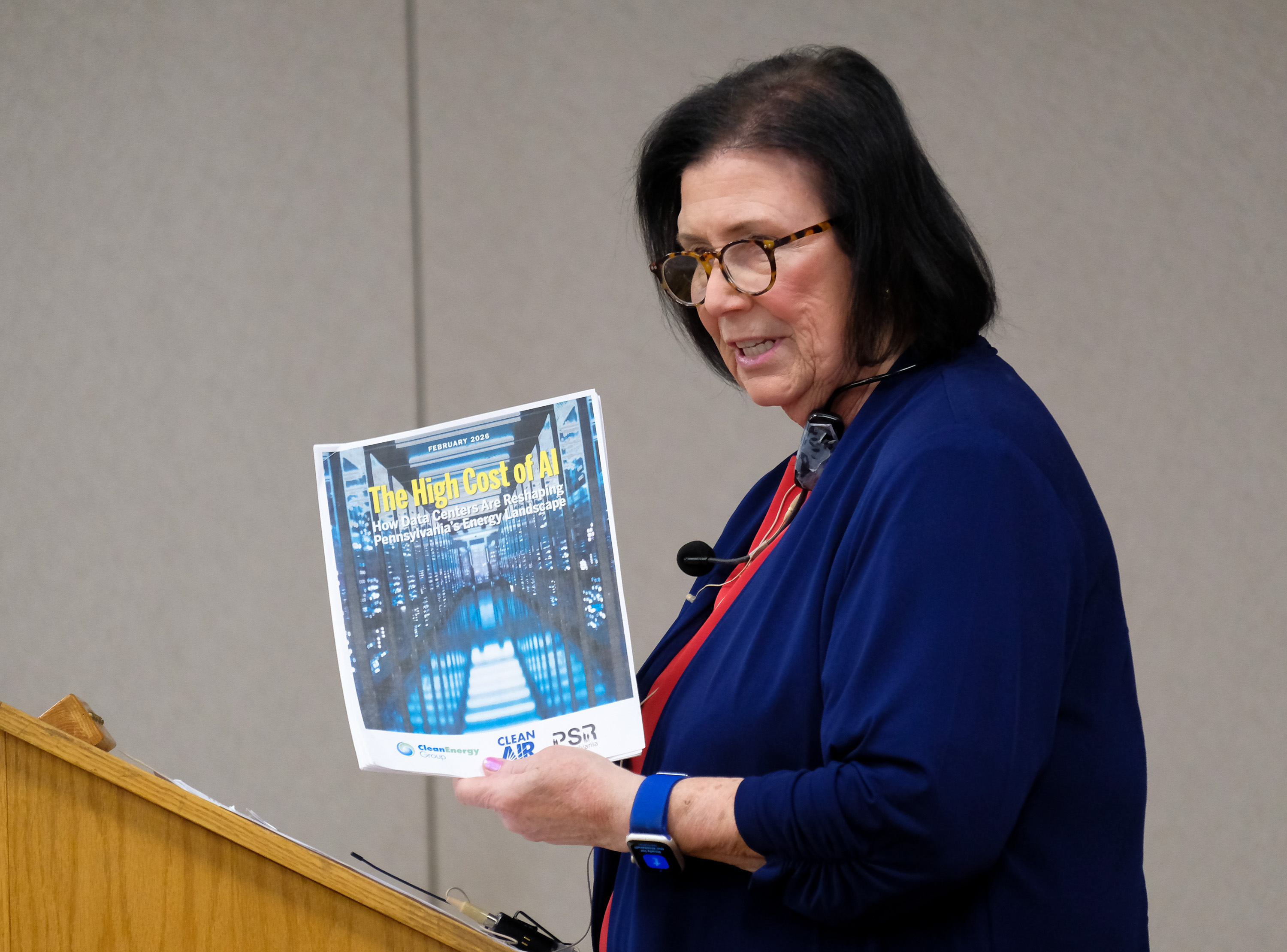
Moderator and past president Mary Erdman addresses the audience at the League of Women Voters of Lehigh County panel discussion on data center development in the Lehigh Valley on Thursday, May 14, 2026 in Allentown. (Sharon Merkel/Special to The Morning Call)
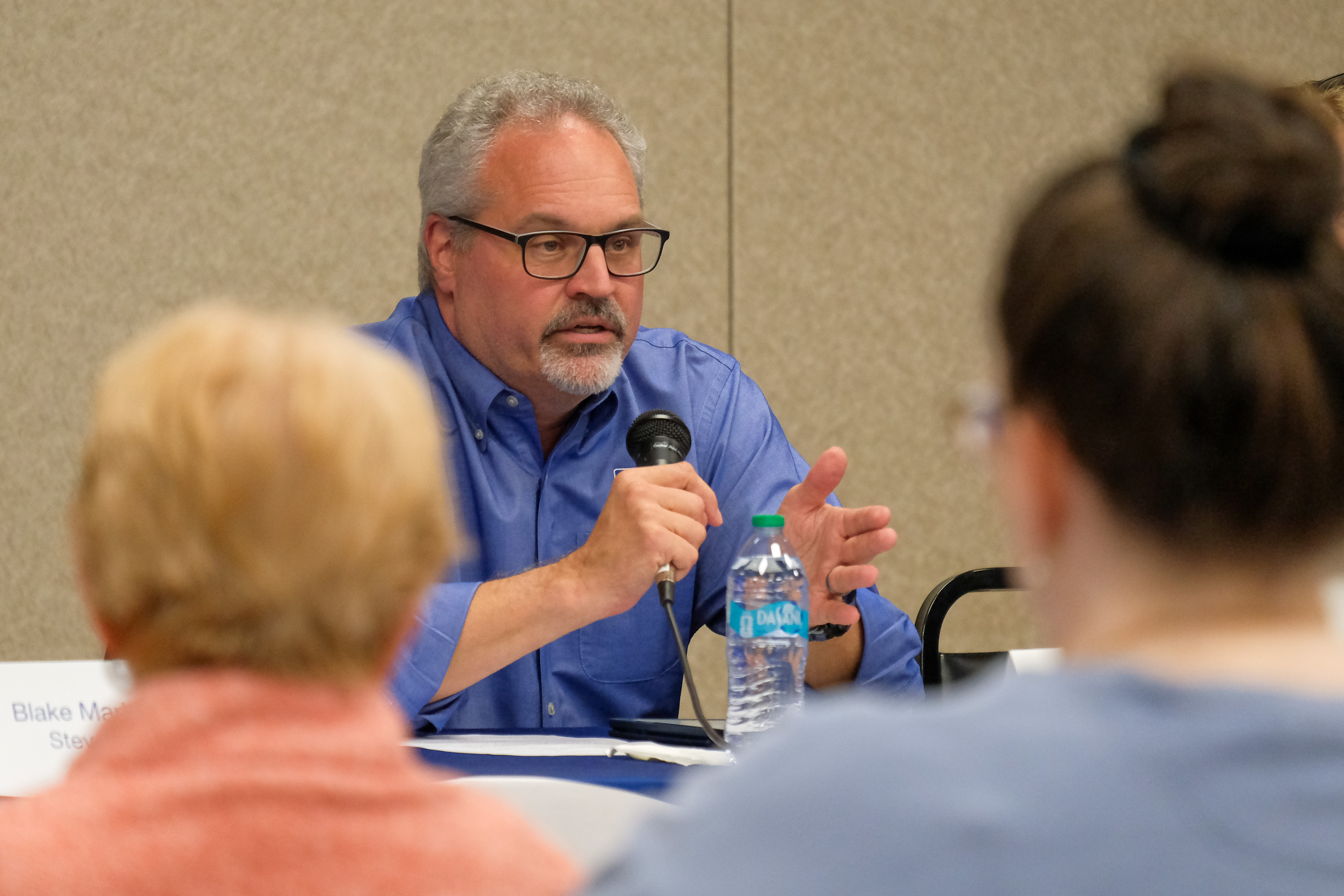
Planner Rick Roseberry addresses the audience at the League of Women Voters of Lehigh County’s panel discussion on data center development in the Lehigh Valley on Thursday, May 14, 2026, in Allentown. (Sharon Merkel/Special to The Morning Call)
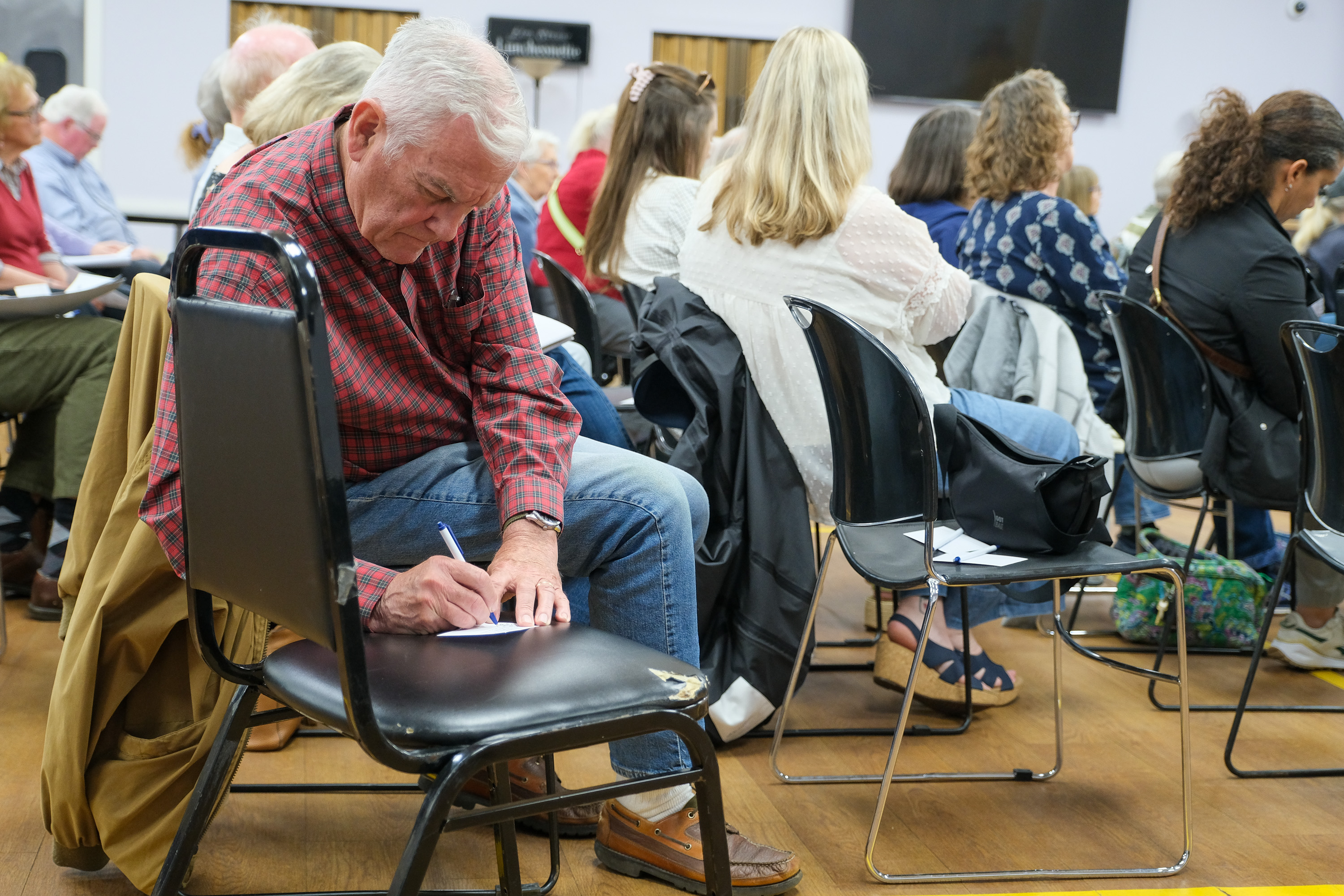
Audience members write down questions that were collected later in the discussion to be answered later at the League of Women Voters of Lehigh County’s panel discussion on data center development in the Lehigh Valley on Thursday, May 14, 2026 in Allentown. (Sharon Merkel/Special to The Morning Call)
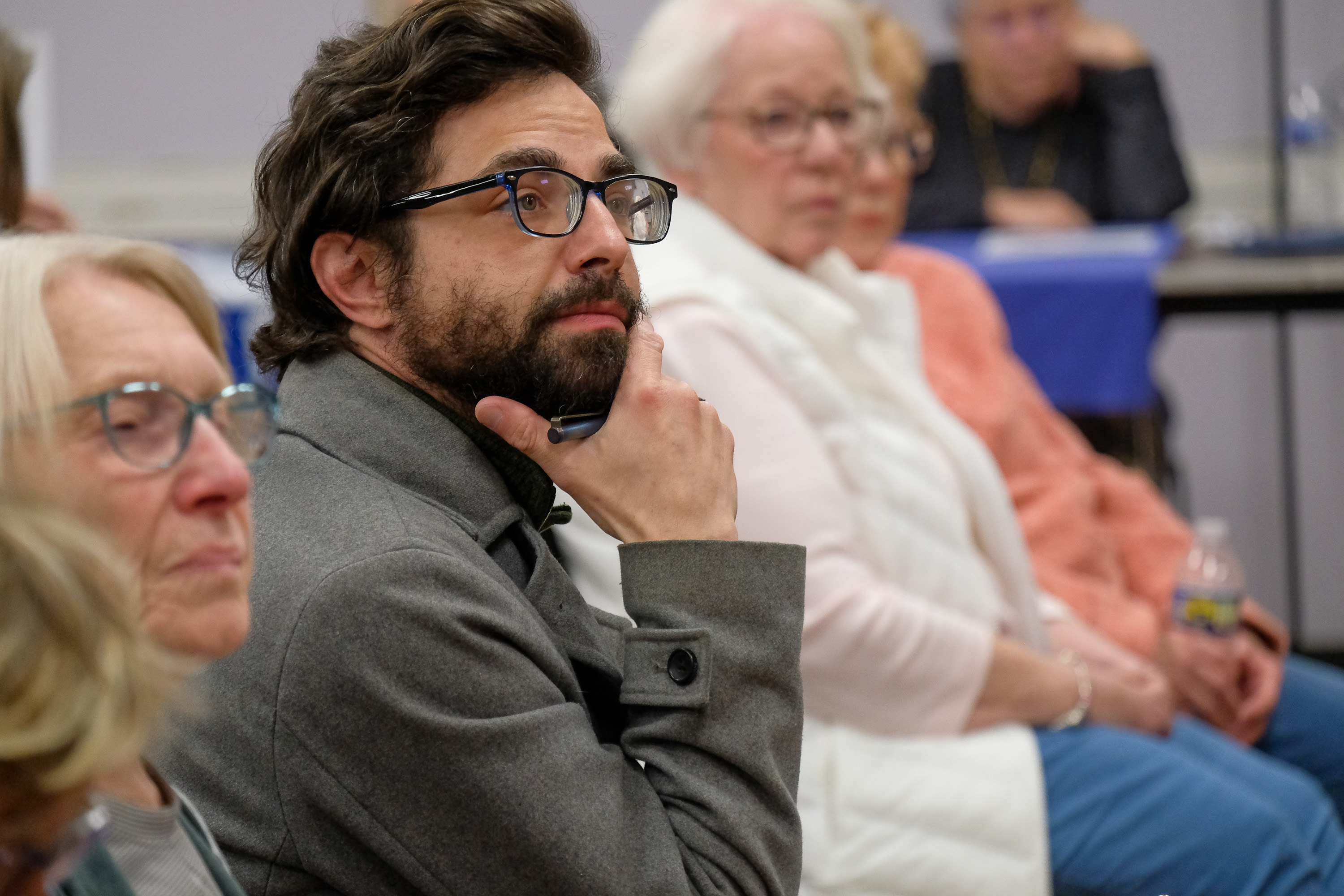
Audience members listen to speakers at the League of Women Voters of Lehigh County’s panel discussion on data center development in the Lehigh Valley on Thursday, May 14, 2026, in Allentown. (Sharon Merkel/Special to The Morning Call)
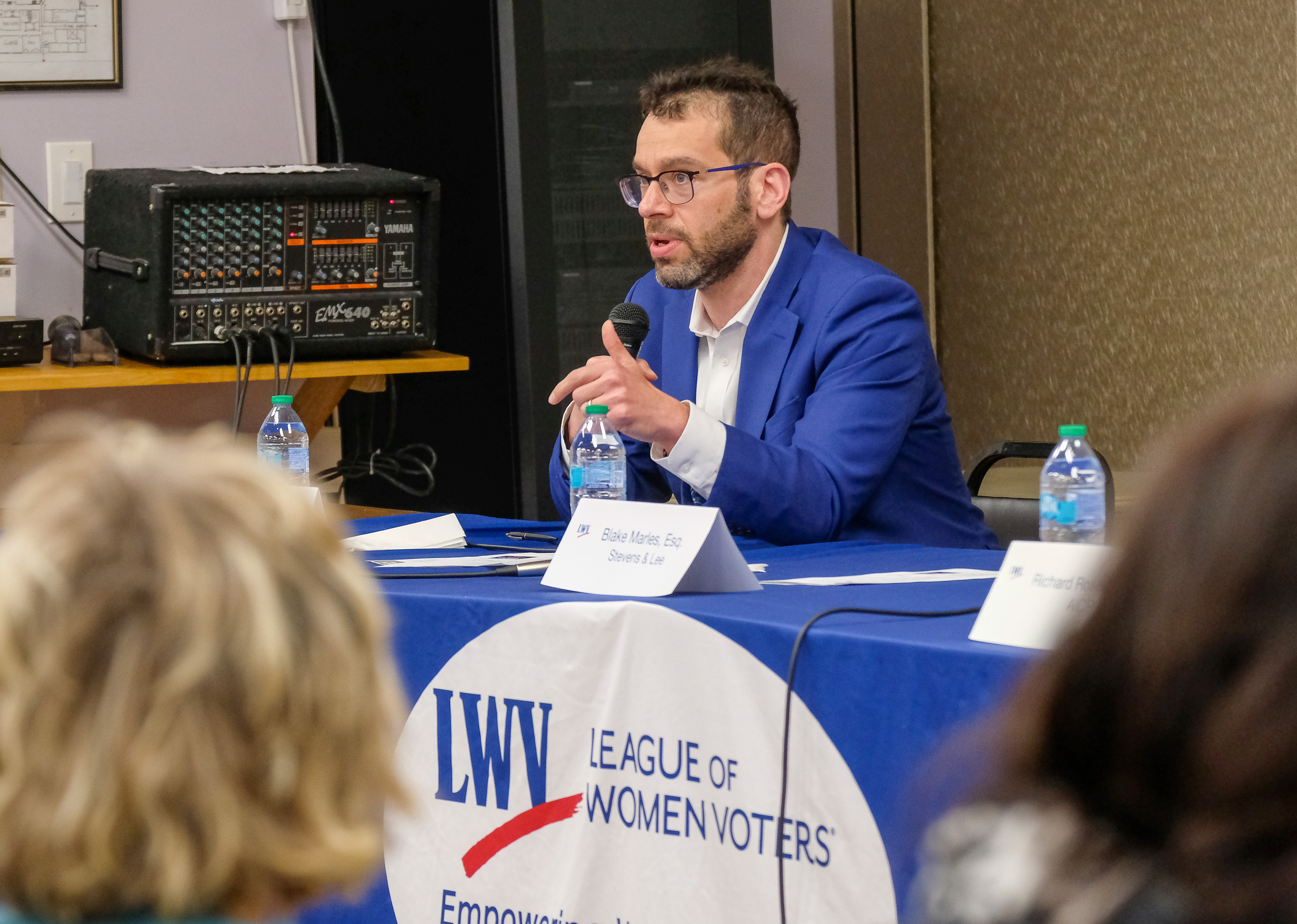
State Rep. Mike Schlossberg addresses the audience at League of Women Voters of Lehigh County’s panel discussion on data center development in the Lehigh Valley on Thursday, May 14, 2026 in Allentown. (Sharon Merkel/Special to The Morning Call)
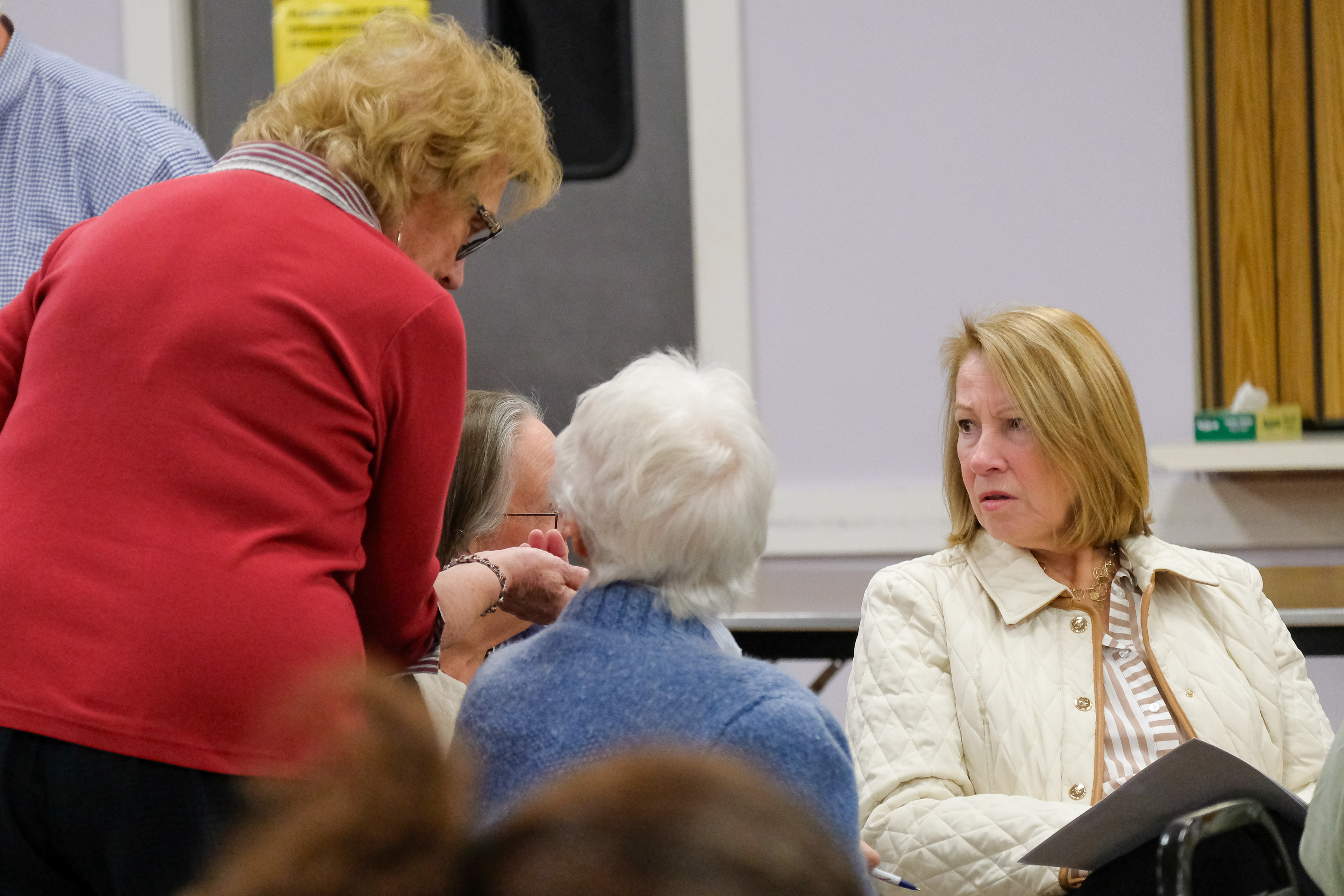
Audience members talk among themselves at the League of Women Voters of Lehigh County’s panel discussion on data center development in the Lehigh Valley on Thursday, May 14, 2026, in Allentown. (Sharon Merkel/Special to The Morning Call)

Audience members write down questions that were collected later in the discussion to be answered later at League of Women Voters of Lehigh County’s panel discussion on data center development in the Lehigh Valley on Thursday, May 14, 2026 in Allentown. (Sharon Merkel/Special to The Morning Call)
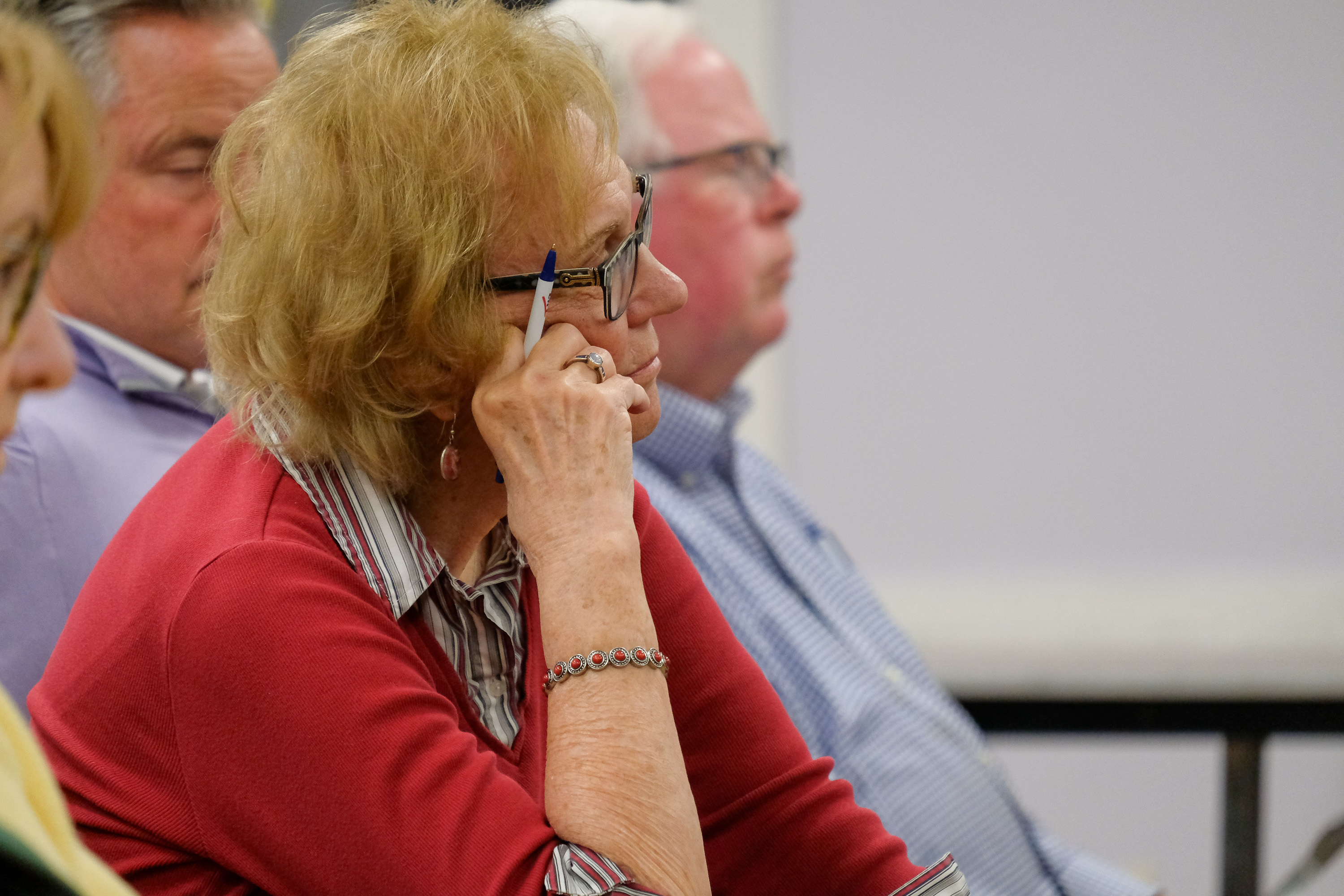
Audience members listen to speakers at the League of Women Voters of Lehigh County panel discussion on data center development in the Lehigh Valley on Thursday, May 14, 2026 in Allentown. (Sharon Merkel/Special to The Morning Call)
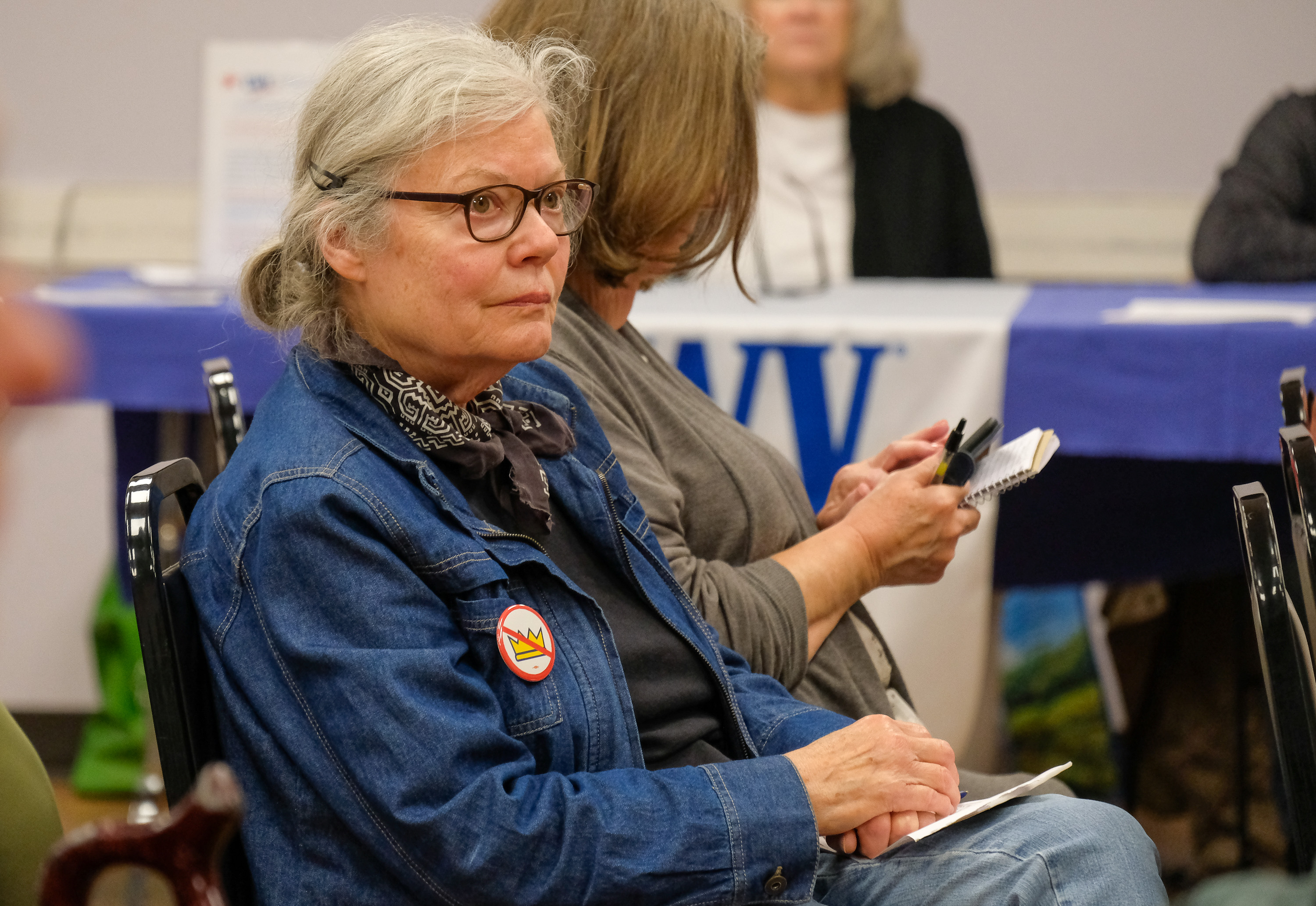
Audience members listen to speakers at the League of Women Voters of Lehigh County panel discussion on data center development in the Lehigh Valley on Thursday, May 14, 2026 in Allentown. (Sharon Merkel/Special to The Morning Call)
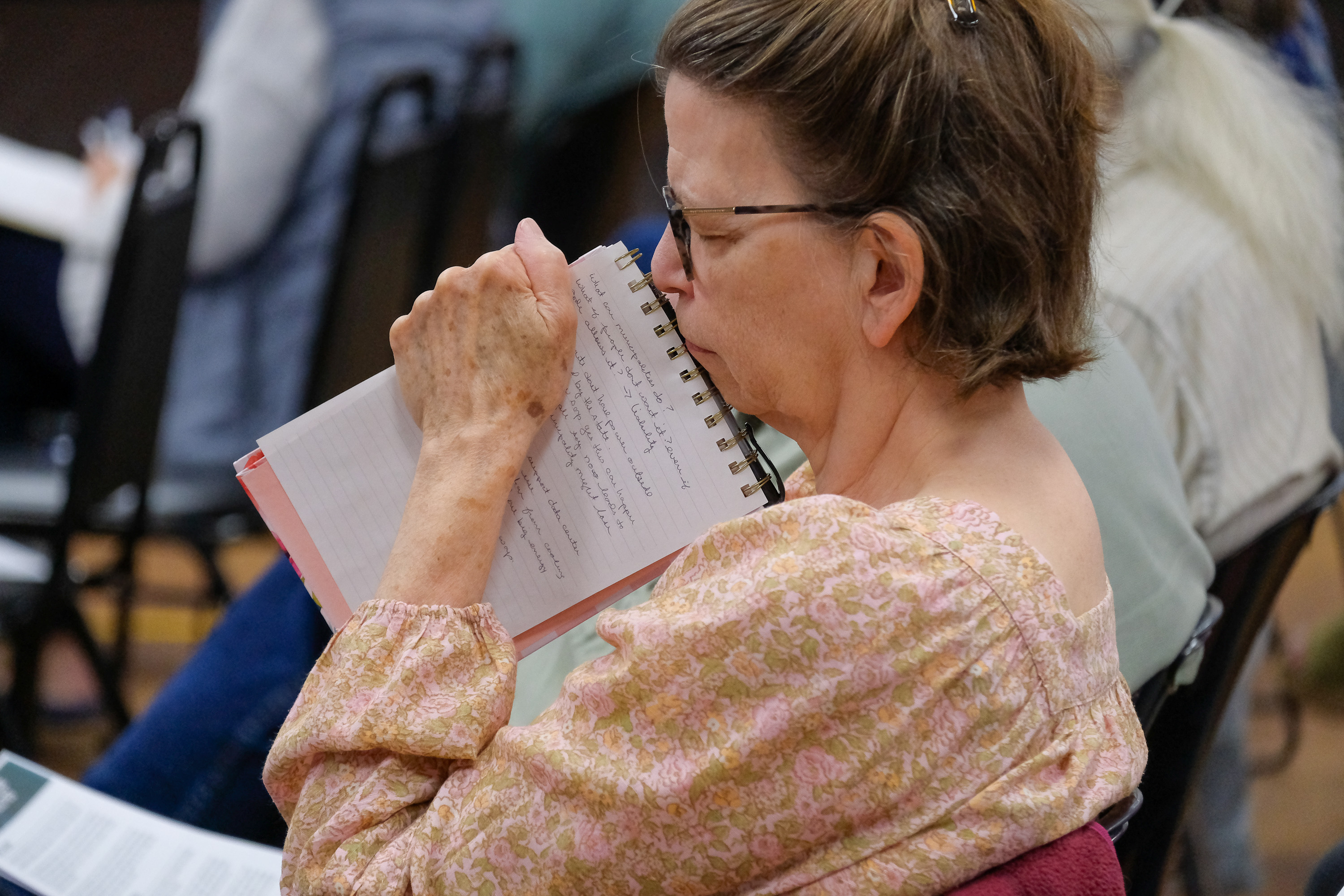
Audience members write down questions that were collected later in the discussion to be answered later at League of Women Voters of Lehigh County’s panel discussion on data center development in the Lehigh Valley on Thursday, May 14, 2026 in Allentown. (Sharon Merkel/Special to The Morning Call)
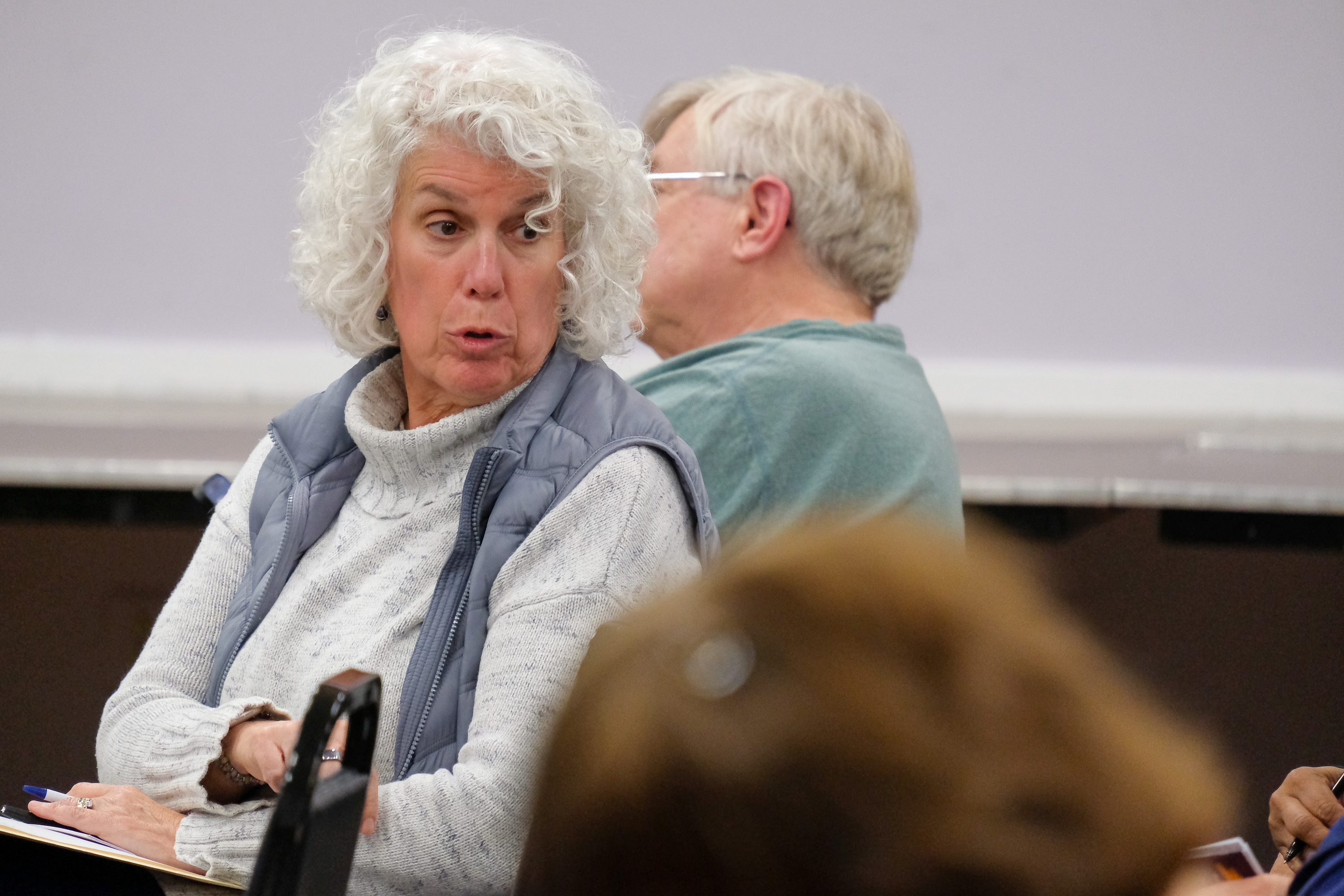
Audience members talk among themselves at the League of Women Voters of Lehigh County panel discussion on data center development in the Lehigh Valley on Thursday, May 14, 2026 in Allentown. (Sharon Merkel/Special to The Morning Call)
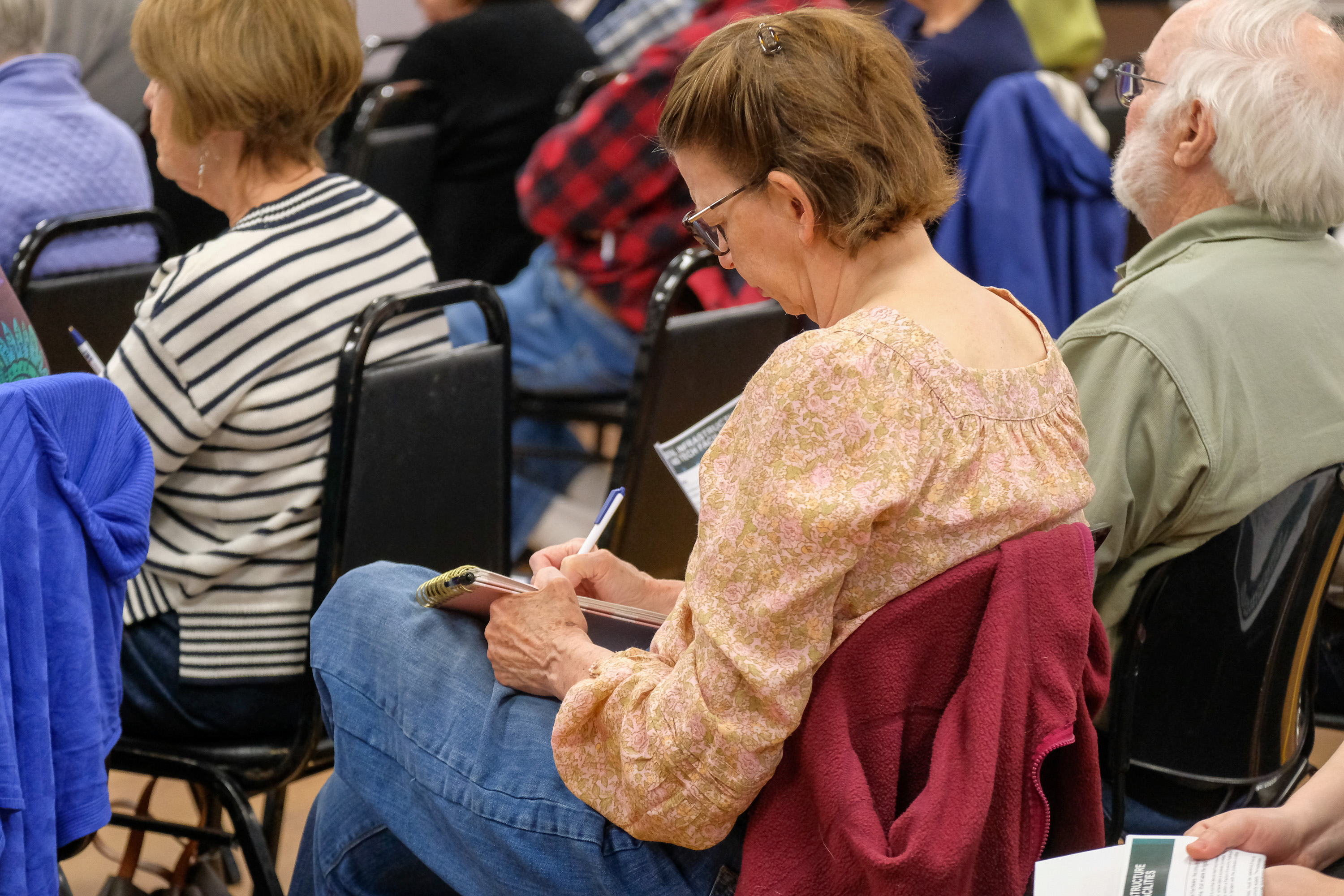
Audience members write down questions that were collected later in the discussion to be answered later at League of Women Voters of Lehigh County’s panel discussion on data center development in the Lehigh Valley on Thursday, May 14, 2026 in Allentown. (Sharon Merkel/Special to The Morning Call)
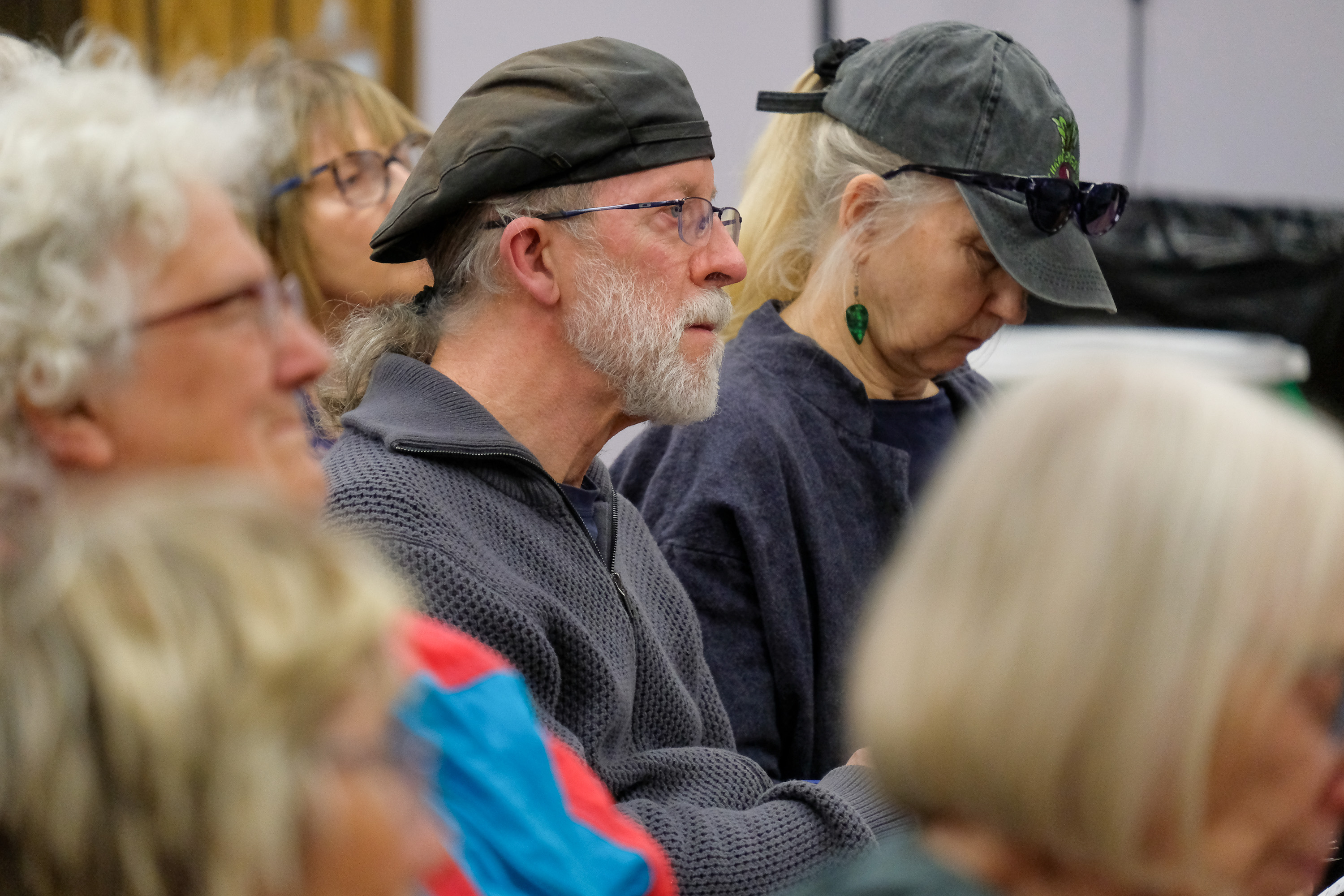
Audience members listen to speakers at the League of Women Voters of Lehigh County panel discussion on data center development in the Lehigh Valley on Thursday, May 14, 2026 in Allentown. (Sharon Merkel/Special to The Morning Call)
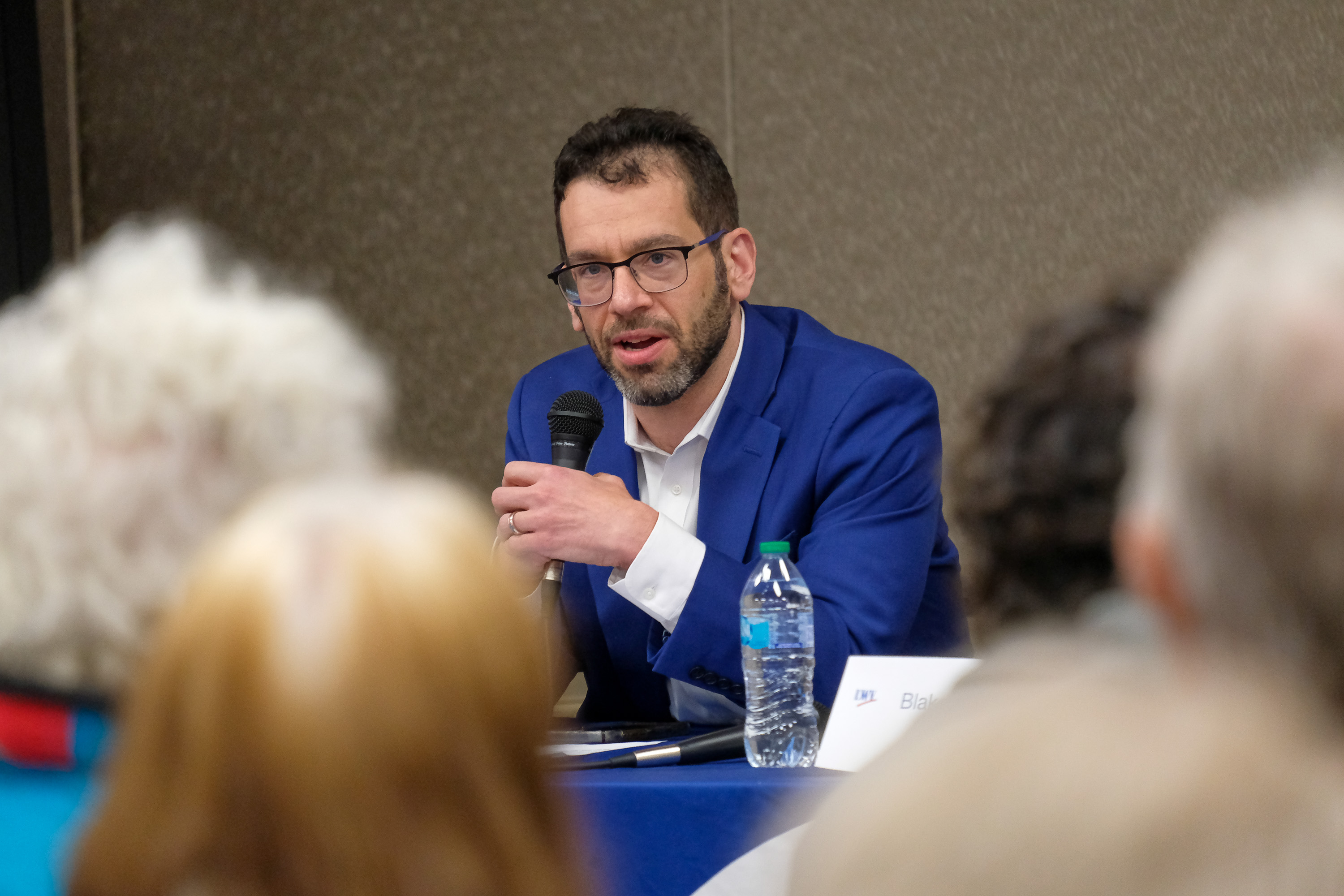
State Rep. Mike Schlossberg addresses the audience at League of Women Voters of Lehigh County’s panel discussion on data center development in the Lehigh Valley on Thursday, May 14, 2026 in Allentown. (Sharon Merkel/Special to The Morning Call)
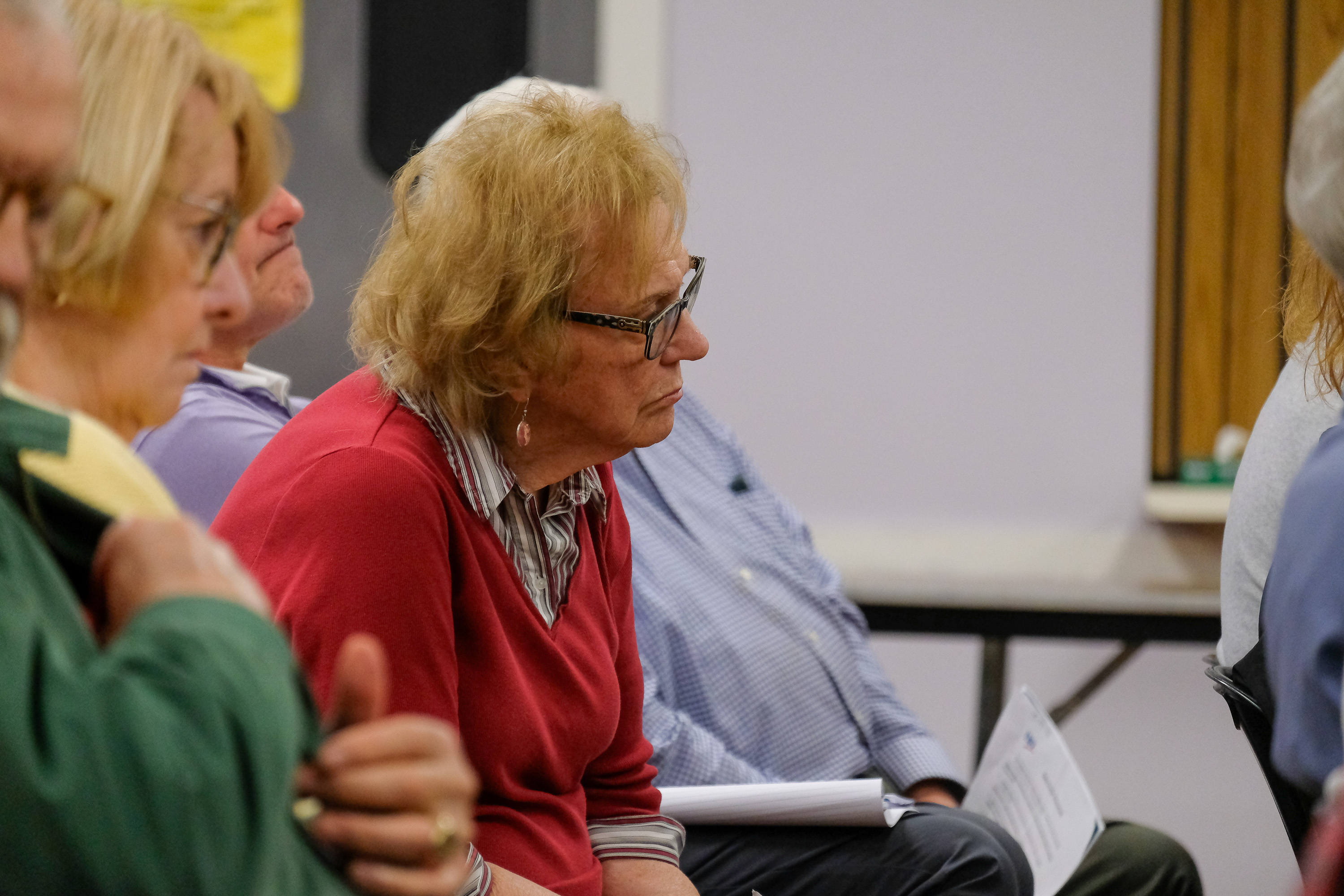
Audience members listen to speakers at the League of Women Voters of Lehigh County panel discussion on data center development in the Lehigh Valley on Thursday, May 14, 2026 in Allentown. (Sharon Merkel/Special to The Morning Call)

Audience members talk among themselves at the League of Women Voters of Lehigh County panel discussion on data center development in the Lehigh Valley on Thursday, May 14, 2026 in Allentown. (Sharon Merkel/Special to The Morning Call)
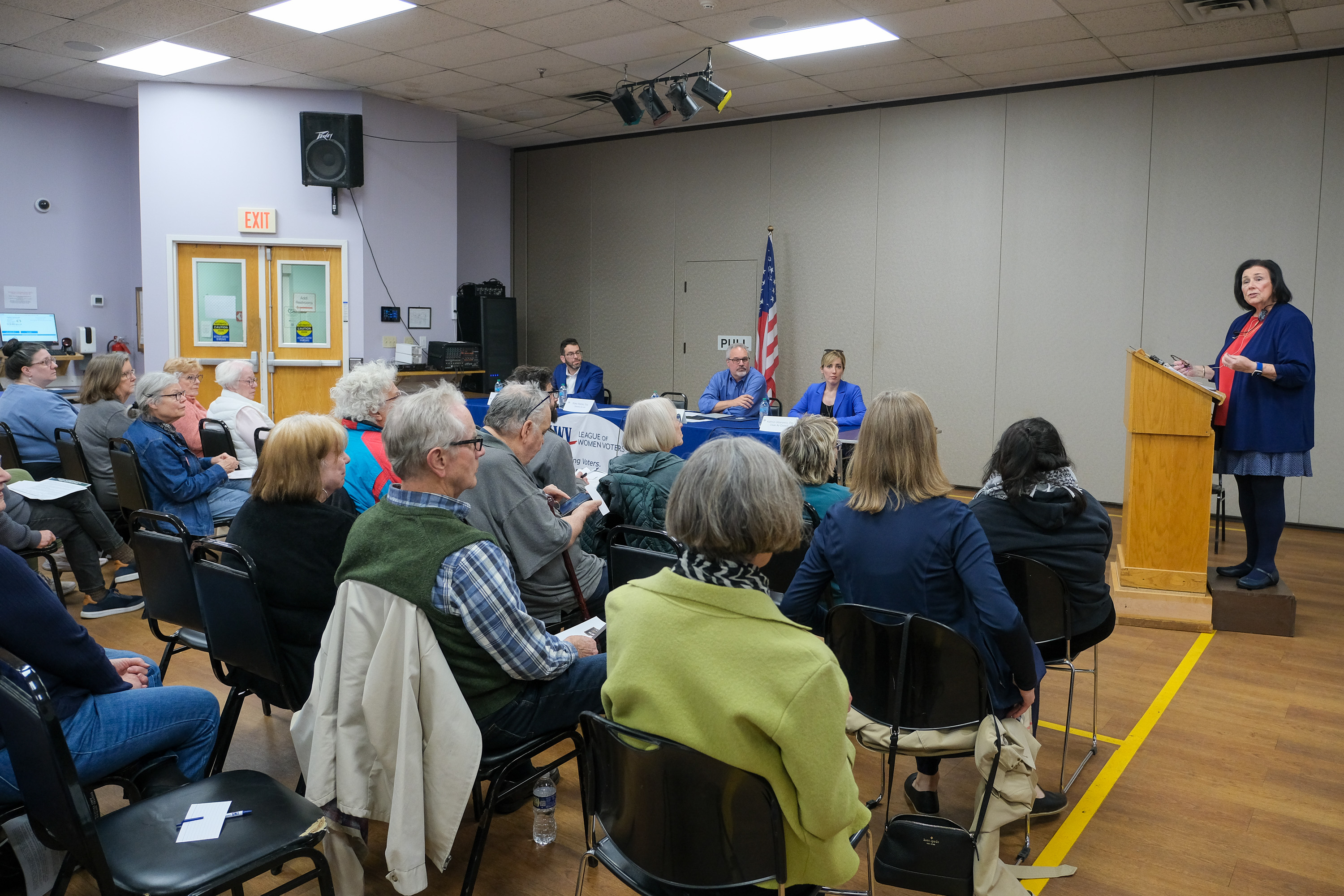
League of Women Voters of Lehigh County hosted a panel discussion on data center development in the Lehigh Valley on Thursday, May 14, 2026 in Allentown. (Sharon Merkel/Special to The Morning Call)
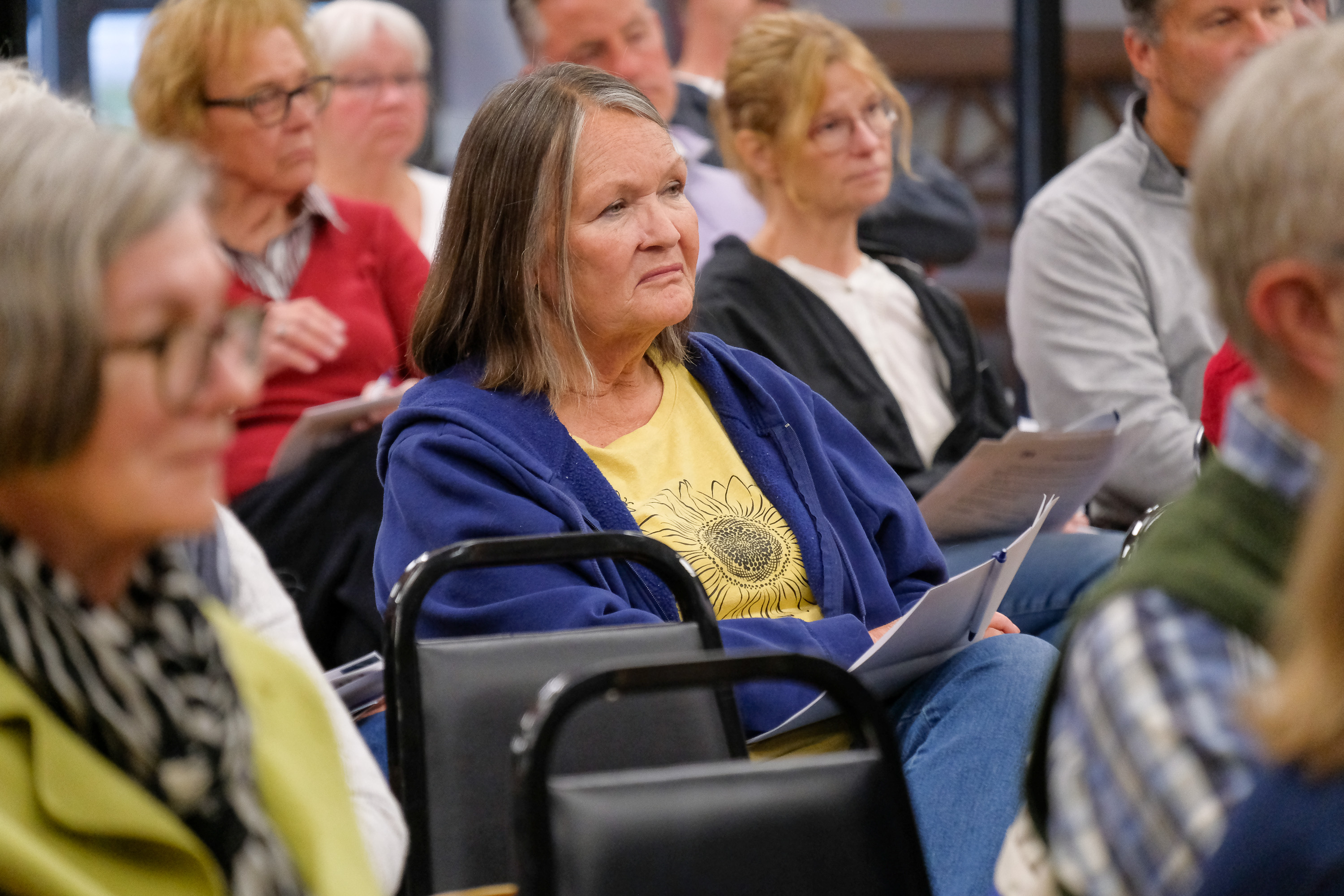
Audience members listen to speakers at the League of Women Voters of Lehigh County panel discussion on data center development in the Lehigh Valley on Thursday, May 14, 2026 in Allentown. (Sharon Merkel/Special to The Morning Call)
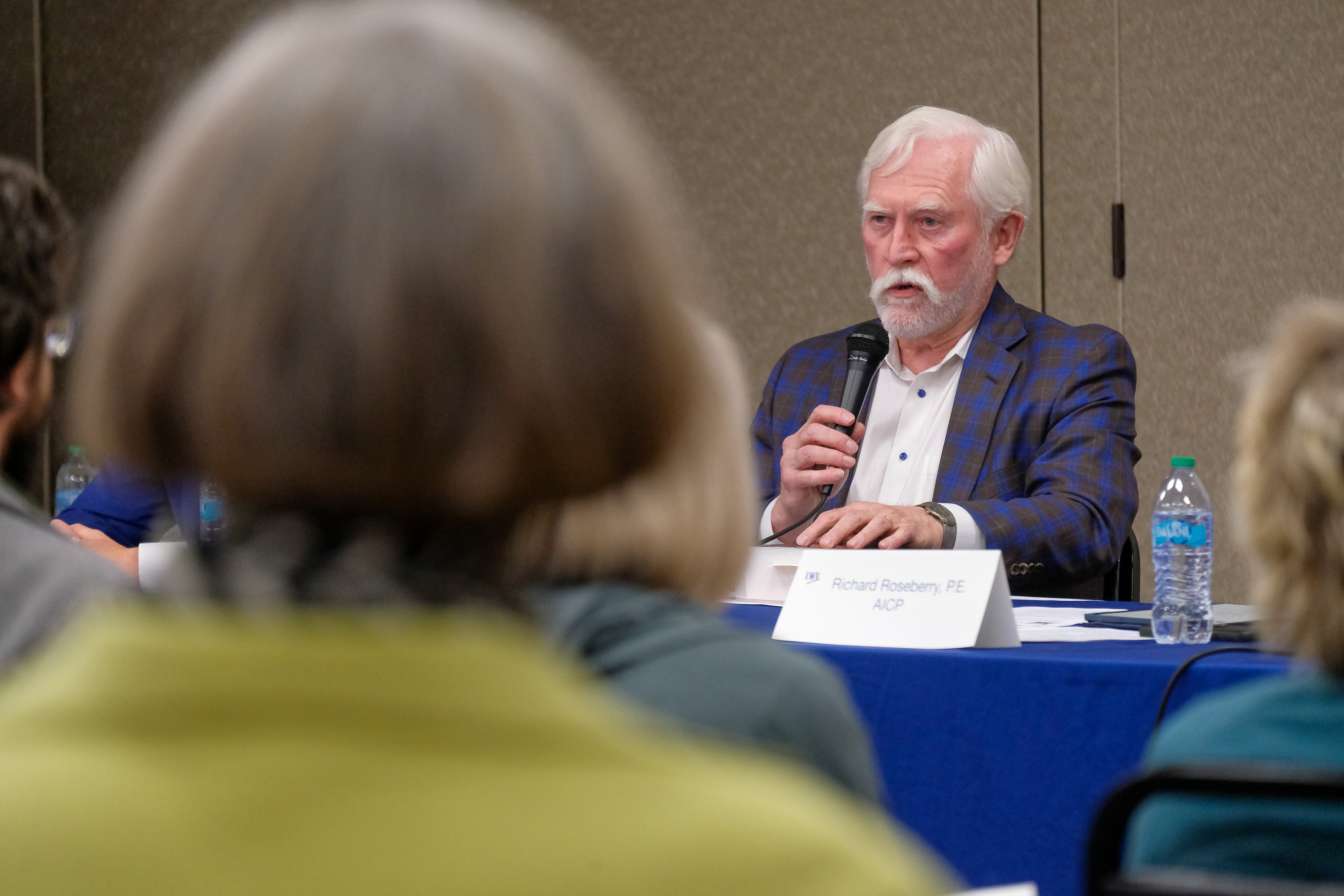
Panelist and real estate lawyer Blake Marles addresses the audience at League of Women Voters of Lehigh County’s panel discussion on data center development in the Lehigh Valley on Thursday, May 14, 2026 in Allentown. (Sharon Merkel/Special to The Morning Call)
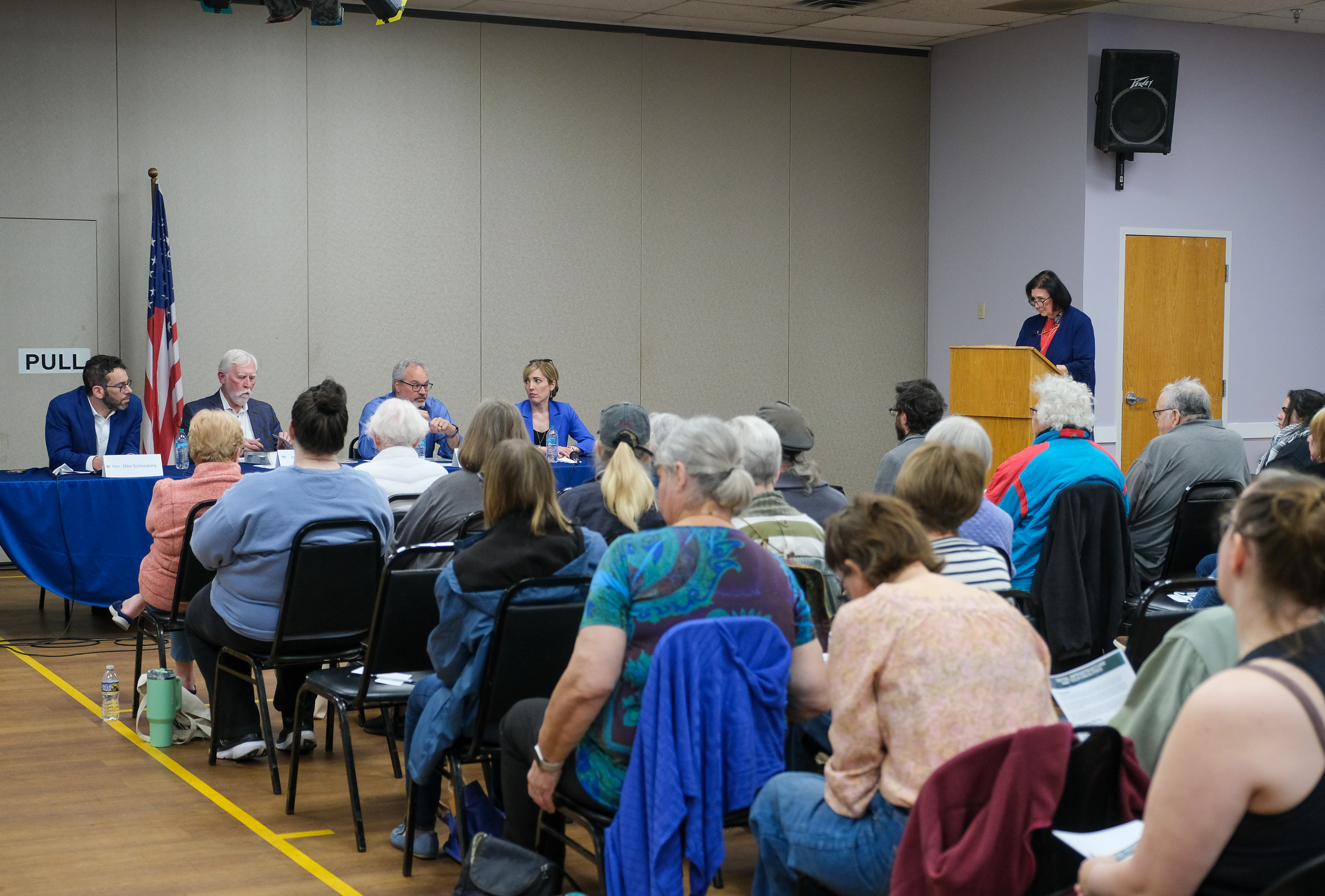
League of Women Voters of Lehigh County hosted a panel discussion on data center development in the Lehigh Valley on Thursday, May 14, 2026 in Allentown. (Sharon Merkel/Special to The Morning Call)
Show Caption
1 of 21
Kathryn Urbanowicz of the Clean Air Council addresses the audience at the League of Women Voters of Lehigh County’s panel discussion on data center development in the Lehigh Valley on Thursday, May 14, 2026 in Allentown. (Sharon Merkel/Special to The Morning Call)
Hyperscale data centers tend to consume substantial amounts of electricity, and demand water access for cooling. These particular concerns, along with the presence of light and noise pollution, are high priority at just about every data center discussion.
But Roseberry said that some hyperscale operations are exploring their own on-site energy production, including natural gas and nuclear power, which presumably would lighten the load on local grids and prevent cost spikes. He also brought up the use of closed loop cooling systems, which are less reliant upon local water sources.
Roseberry also touched upon the fact that while the Pennsylvania Planning Association has put out recommendations and guidelines for municipalities to develop regulations on data centers, each municipality is responsible for crafting their own policy.
“The real criteria here, though, is, if you’re zoning, you have to create a realistic opportunity for it. You can’t create a zoning district or zoning ordinance that is restrictive and makes it so that you can’t put that use anywhere,” he said.
Marles provided an explainer on how local government works with such development — “zoning has to do with use, land development has to do with what physically ends up on the property” — noting municipalities are limited by what is laid out in their ordinances and codes, and could face lawsuits if they reject plans without a legal reason.
Schlossberg added that such lawsuits can be devastating for small communities.
“So if you say ‘no’ when the law is very clear but the answer is ‘yes,’ you’re likely to lose a lawsuit and just tick a lot of people off anyway,” he said. “So it’s a bad situation for local government officials to potentially say ‘no’ when the law clearly says you should say ‘yes.’ ”
Urbanowicz said Pennsylvania has become a hotbed for data center development due to a wealth of land and raw materials for energy, in addition to a political climate which is friendly to fossil fuels and fossil fuel-adjacent industries.
She also addressed water usage, explaining that while closed-loop cooing systems are better overall, they are not as perfect as some developers may want the public to think.
“A lot of closed loop systems actually have a secondary cooling system that involves water. It’s less water than otherwise, but it’s still water that needs to go somewhere. If nothing else, it needs to be cooled, so you end up with thermal pollution,” she said.
Asked about the use of renewable energy to power data centers and how grid operator PJM has deprioritized their use in powering such projects, Urbanowicz said that existing fossil fuel infrastructure, slow adoption of renewables and politics all play a factor.
“Renewable energy, in terms of cost, is a lot lower per unit of energy than the fossil fuel energy production. PJM knows this, but it’s not as fast to develop. It’s not as big to develop,” she said. “So the politics are really the big story here. Everybody wants to meet energy demands. The fastest way to get the most energy on the grid is to put more big fossil fuel on the grid, even if it’s more expensive.”
Schlossberg said that one of the bills before the legislature, HB 1834, would require an increasing rate of renewable energy sources for data centers over time.
Urbanowicz also pointed out that while some power plants are being replaced with more efficient models — like an old coal plant in Homer City set to be turned into a gas operation — or retrofitted, the political push for fossil fuel use could hamper cheaper solutions like renewables.
Asked what the public can do to address their concerns, Urbanowicz recommended speaking with neighbors, researching specific, actionable priorities, and connecting with local government.
Roseberry agreed, adding residents should focus on specific projects as opposed to a blanket rejection of data centers as a whole.
Marles added citizens should “read the ordinances, because if you’re not directing your questions and comments to what’s in the ordinance, ultimately, it doesn’t matter.”
Schlossberg rounded out the panel by advising residents to keep reaching out to elected officials on the matter, even if they may not immediately respond.
“And if you come to us to inform us, to disagree with us, potentially, but to give us real information, actionable information, we very well may listen and act upon it if you can make your case, and if we agree. So please keep that in mind is, as you interact with us, we are actually most of us are here for the right reasons,” he said.
Attendees appeared engaged throughout the presentation.
“I thought it was excellent. The panel had different types of expertise, their answers were very on-point, and very understandable to someone who knows nothing about AI data centers, so it was definitely worth coming to,” Marie Uhern of Fogelsville said.
Brian Myszkowski is a freelance writer.