
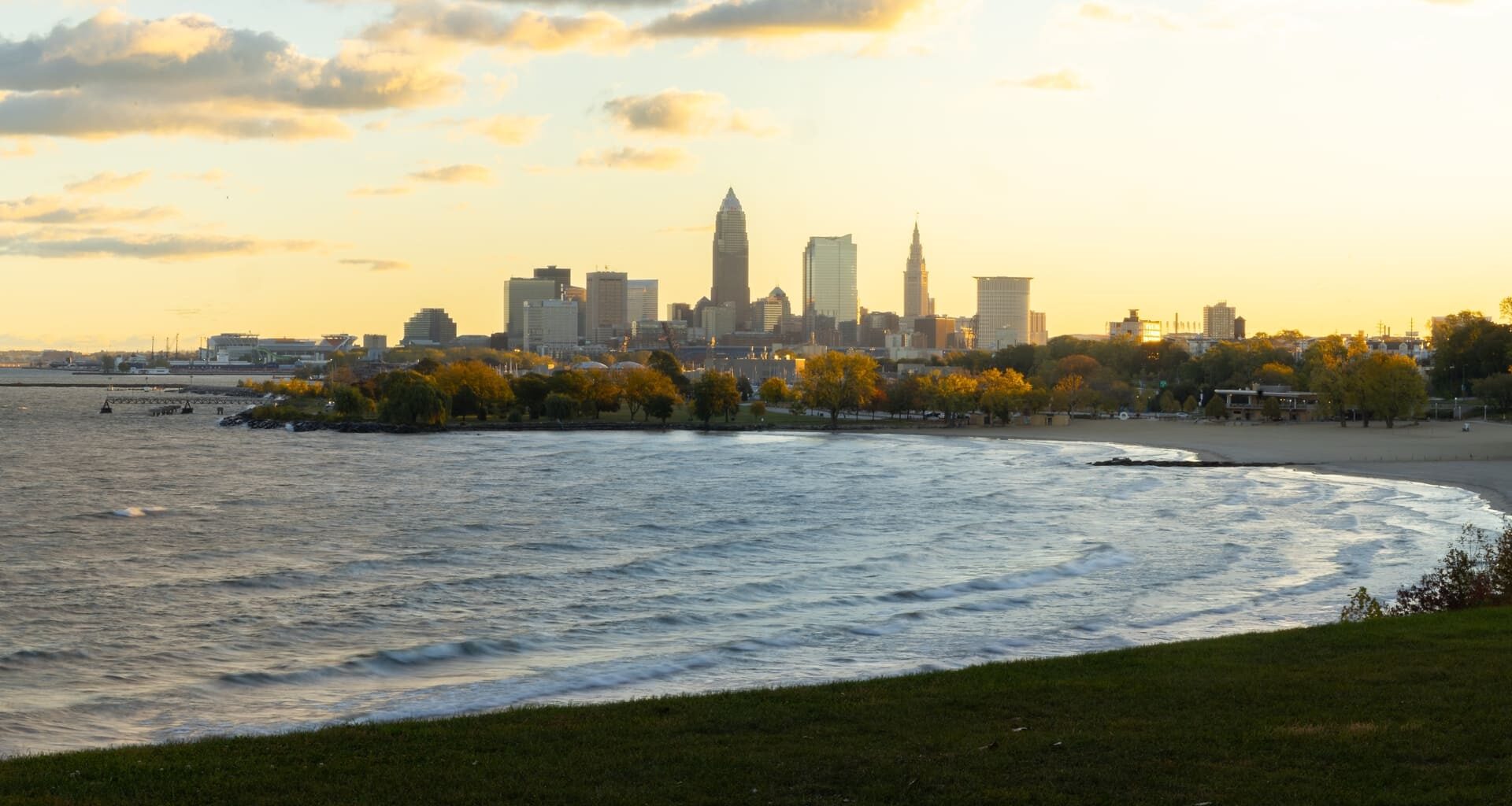
In the 1960s, the industrial waters surrounding Cleveland came to represent a global symbol of pollution. The nearby Cuyahoga River even famously caught fire on several occasions due to petrochemical discharge. Today, however, the scenario is radically different.
As recently reported by the British newspaper The Guardian, hundreds of environmental sensors and smart buoys are transforming Lake Erie into what is being defined as the world’s largest digitally connected freshwater system.
The platforms enable real-time monitoring of bacteria, water turbidity, dissolved oxygen, temperature, solar radiation, microplastics and pollution levels. This monitoring extends across thousands of square kilometres, creating a seamless network for environmental observation.
The true innovation here is not merely technological, but cultural. For more than a century, water infrastructure was conceived as public works: dams, aqueducts, wastewater treatment plants, and canals. Today, a new paradigm is emerging: facilities that do not just transport water, but interpret it, predict its behavior, and react in real time.
In the case of this North American “sea”, the lake itself has become a massive operational laboratory where universities, public agencies, and private companies test solutions replicable elsewhere: water systems capable of intercepting microplastics directly in washing machines, electrochemical water treatment technologies, predictive ice monitoring to protect water intakes during winter, and local disinfectant production to reduce transportation and logistical risks.
The Coast Guard’s new saildrones fit precisely into this evolution: they are not just surveillance assets, but mobile nodes within a distributed infrastructural network.