
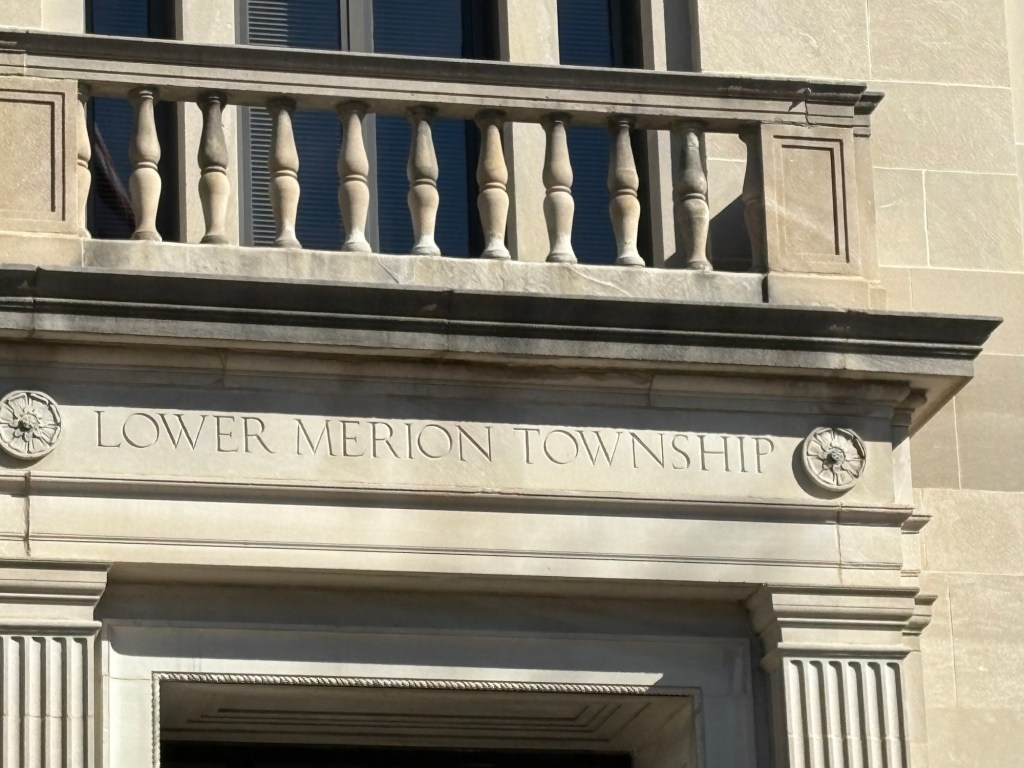
LOWER MERION — Lower Merion commissioners could see an increase in their compensation, but it won’t go into effect until 2028.
During a committee meeting earlier this month, the commissioners recommended approving an increase in commissioners’ annual compensation from $4,000 to $6,000.
As chairperson of the Lower Merion Government and Administration Committee, Commissioner Maggie Epstein outlined the proposed ordinance, emphasizing that it is not a salary but a stipend for the time commitment.
“This is not a salary, clearly. I’m sure anyone here who’s a lawyer charges more. This is a stipend. It is not payment for services. It allows for the role of commissioner to be a dedication of time and talent without necessarily including a financial cost as well. A healthy board in any organization benefits from diversity of thought. In order to have diversity of thought, you need diverse people with diverse experiences. The role of commissioners should be open to all,” said Commissioner Maggie Epstein.
If approved by the full board at its next meeting, the new compensation would only take effect in 2028, after the next election. When the increase takes effect, it will affect only the compensation of the seven members of the 14-member board of commissioners who will be up for election in November of 2027. The other seven commissioners wouldn’t see the increase in compensation until after their next elections in November of 2029.
Although no one seemed to know the exact date, township officials said the last time compensation increased was sometime in the mid-1970s.
During the public comment portion of the meeting, former commissioner Anthony Stevenson spoke up in support of the increase.
“I stand here as someone who has done this work, who understands the demands and who believes deeply in the future of this township,” Stevenson said. “Serving as a commissioner in Lower Merion is not a part-time commitment. It’s a public trust that requires a lot of real time, real energy, and real responsibility. The board’s responsibility is for policy, budgets, infrastructure, and decisions that impact more than 60,000 residents. And while it may be labeled part-time, the work extends far beyond meetings in preparation, constituent challenges, and navigating complex and often difficult decisions.”
Stevenson said the increase is about valuing the public service the people are doing for the township.
“The proposal under consideration to increase that amount to 6,000 is the first meaningful change in decades, and it still remains well below what state law allows,” Stevenson said. “No one comes to this board to get rich. That has never been the motivation, and it should never be the motivation. But what you are considering here tonight is a pay adjustment. It is a statement of how we value public service in this township and is the recognition that the work is real, the responsibility is significant, and the expectation to continue to grow. Most importantly, it is an investment in the future because if we want to see the best people who are thoughtful, committed, capable leaders step forward in the years ahead, this pay increase is a step in the right direction to attract more future commissioners.”