
How new sunscreen ingredients could improve skin protection options
Sunscreen formulations in the U.S. have used the same ingredients for more than two decades. Products mainly fall into two categories: mineral or chemical.
Mineral, or physical, sunscreen uses ingredients like titanium dioxide or zinc oxide, which help block and deflect UV rays from the top of the skin.
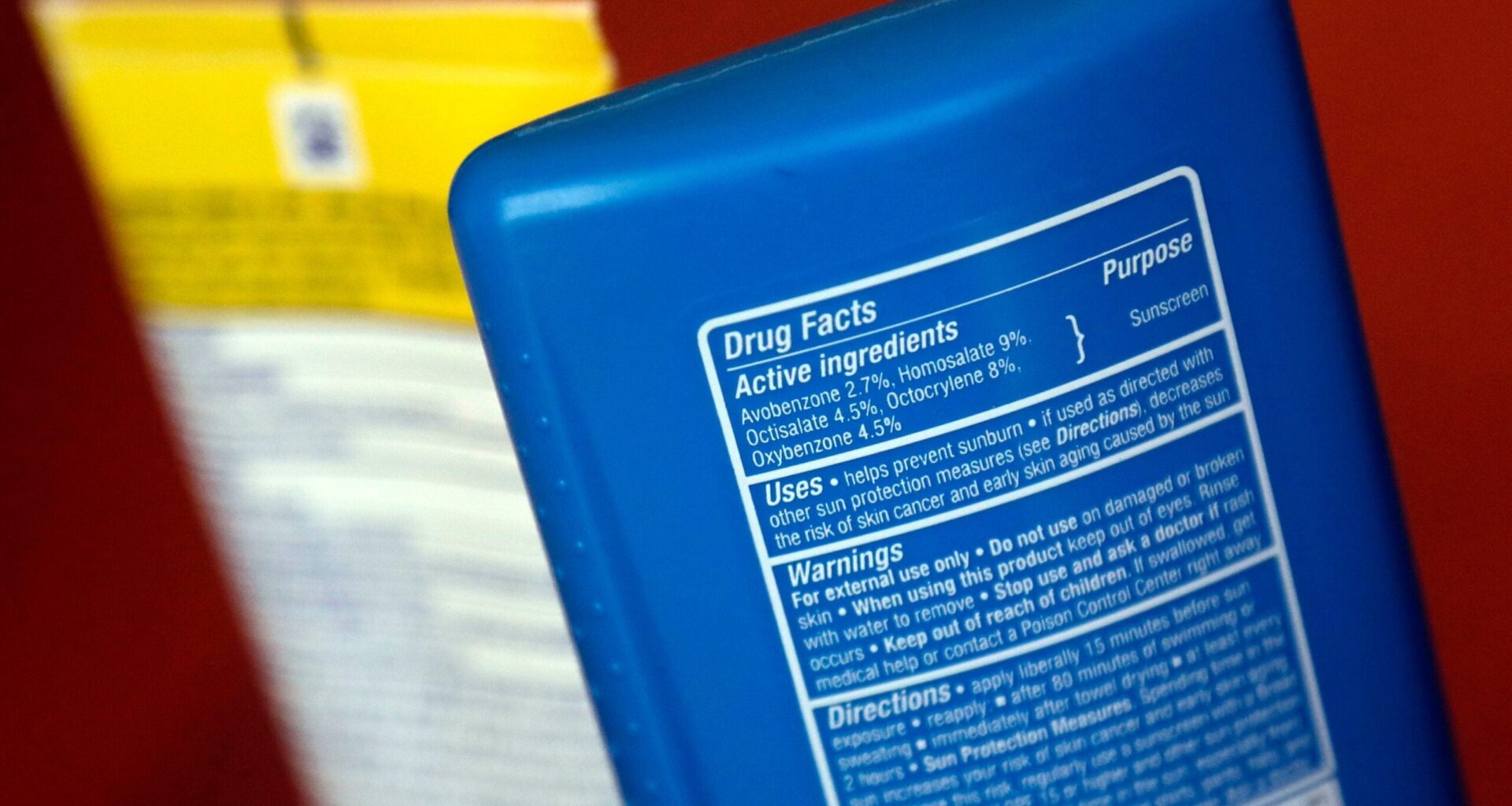
Chemical sunscreen is made of compounds that can include avobenzone, oxybenzone or octinoxate. It absorbs the sun’s harmful rays and converts them into tiny amounts of heat, which is then released, which prevents UV rays from causing skin damage.
One problem with both types of products is that they degrade fairly quickly after UV exposure, Walker said, which is why sunscreen needs to be reapplied every couple of hours.
Another is that depending on the ingredients used, a sunscreen can be sticky, irritating or uncomfortable to wear, which makes it less likely for someone to use it regularly, she said.
That’s why there’s interest in adding bemotrizinol to the list of approved U.S. sunscreen ingredients, dermatologists said. Global data shows that it is a more stable filtering agent, and can therefore prevent sunscreen from breaking down as quickly.
It also has low levels of skin absorption, meaning the ingredient is less likely to be absorbed deeper into the body and affect hormones or any other bodily systems, the FDA noted in a December announcement. It rarely causes skin irritation, federal officials said, which is another benefit.
“What we have is good,” Walker said of current U.S. sunscreen products. “But with science, there’s always room for improvement. And how it feels on the skin and how it can be formulated and all of those things matter in people actually using it. So, to have more options available is important.”