
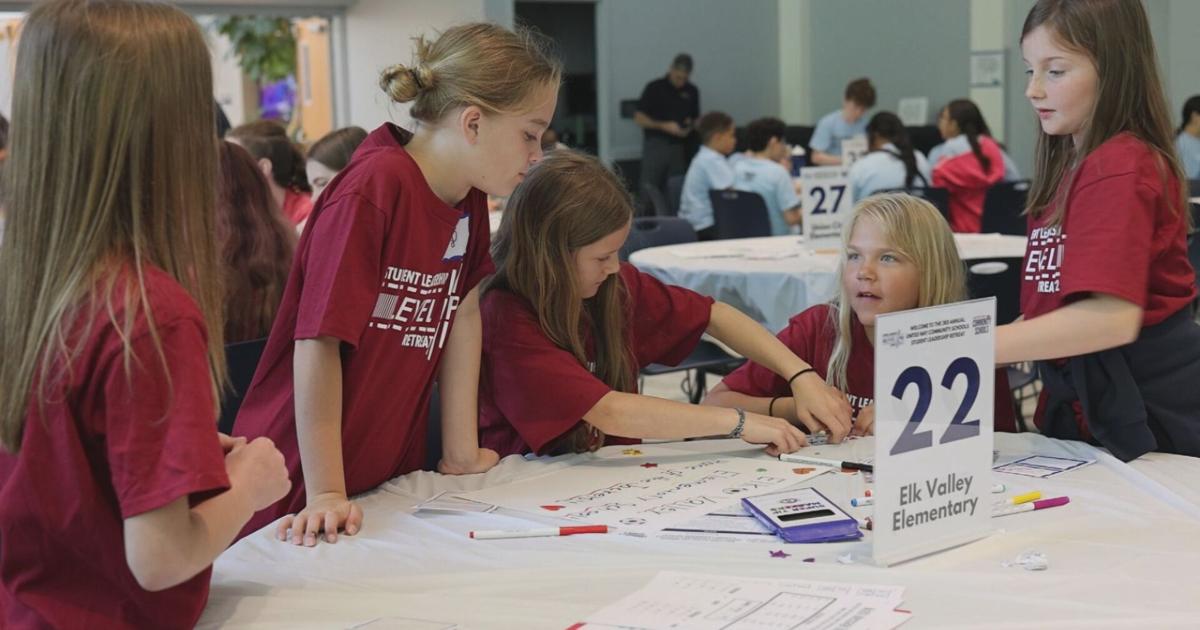

Leadership development was front and center as more than 225 high school students gathered for the third annual United Way Community Schools Student Leadership Retreat at Penn State Behrend.
The event brought together student leaders from 17 United Way Community Schools, all recognized for their involvement and success in leadership roles within their schools. The retreat is designed to connect these students with one another while also introducing them to established leaders from across the community.
Throughout the day, participants took part in a variety of activities aimed at strengthening essential leadership skills. The retreat featured keynote speakers, interactive workshops, and team-building exercises, all focused on helping students grow in confidence, improve communication, and develop their ability to lead effectively.
Organizers emphasized that the retreat provides more than just a day of programming—it serves as a valuable networking opportunity. Students were able to exchange ideas, share experiences, and form connections with peers from other schools, helping to build a broader sense of community among young leaders across the region.
“This retreat gives students the chance to see what leadership looks like beyond their own classrooms,” organizers noted. “It encourages them to think bigger about their impact and equips them with tools they can take back to their schools and communities.”
In addition to skill-building sessions, the event also allowed students to reflect on their personal leadership journeys and define how they can continue making a difference. Many participants left with a stronger sense of direction and purpose, as well as practical strategies they can apply immediately.
The day concluded with a large group photo, capturing the energy and enthusiasm of hundreds of student leaders united by a shared commitment to growth and service.
As the retreat continues to expand each year, organizers say it remains focused on one goal: empowering the next generation of leaders to create positive change in their schools and communities.