
Leading the way in the bigger-is-better campaign has been the Pennsylvania Fish and Boat Commission with its plans to raise the minimum length to harvest trout to nine inches from the current seven inches.
Under this proposal, 58 Pa. Code § 61.1 (Commonwealth Inland Waters), 58 Pa. Code § 65.19 (Stocked Trout Waters Open to Year-Round Fishing), 58 Pa. Code § 65.24 (Miscellaneous Special Regulations), and 58 Pa. Code § 65.26 (Extended Trout Season) would be amended to increase the minimum size limit for trout from seven to nine inches, and alongside the size increase, the PFBC has proposed a formal statewide standard for how to measure the total length of a fish to ensure consistency.
Because the 9-inch limit was preliminarily approved in April 2026, it is advancing through the final administrative stages prior to taking effect. To follow the status of this amendment, read full regulatory text through the Pennsylvania Bulletin, and to check daily creel limits, find local waterways, or view current fishing definitions, consult the Pennsylvania Fish and Boat Commission website.
In 1983 the MSL for trout was last amended when it was increased from six to seven inches, to provide additional protection to wild Brook Trout populations. Based on analysis of Brook Trout data from electro-fishing surveys over the past decade, PFBC staff determined that an increase in MSL from seven to nine inches for trout would prohibit the harvest of more than 99% of the state’s wild Brook Trout.
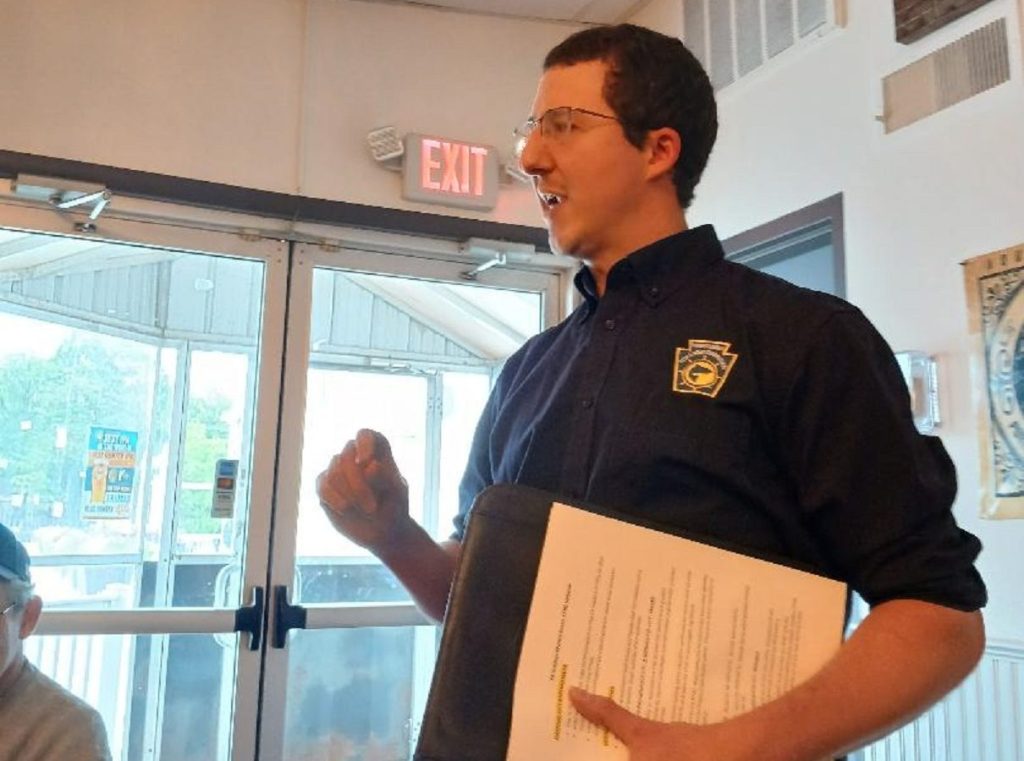
At the recent Pennsylvania Outdoor Writers Association conference PFBC Director of Policy, Planning and Communications Robert Caccese talked about issues facing the agency, including raising the minimum size of keeping trout. Currently this is in the proposed rulemaking process.
“An increase from seven to nine inches will have little or no impact on anglers harvesting stocked trout,” Caccese said, “The average size of a standard trout produced at a PFBC state fish hatchery and stocked into the waters of the Commonwealth is 11 inches, with most cooperative nurseries also producing similar sized trout for stocking in public waterways.”
Staff also evaluated angler opinion data that was collected through the PFBC’s 2023 Pennsylvania Trout Angler Survey, which specifically asked anglers, “Would you support or oppose an increase of the minimum to nine inches to provide protection of wild Brook Trout?” In response 85% expressed support of the proposal.
Harvesting trout, regardless of species or origin, was not ranked as one of the top three reasons anglers fish for trout in Pennsylvania. If approved on final rulemaking at a future meeting of the PFBC board of commissioners, the amendments will go into effect January 1, 2027.
In other action effecting local anglers who vacation in the Northern Tier commissioners voted to add Hammond Lake, Tioga County, to the Panfish Enhancement Program for crappies. Hammond Lake is a 640-acre lake owned by the U.S. Army Corps of Engineers and managed by the PFBC.
Panfish evaluations conducted in 2024 documented robust Black Crappie and White Crappie populations, with the majority of the fish captured being greater than 10 inches in total length. Given unique size structure and the propensity of anglers to harvest crappies, a more restrictive regulation is needed to conserve and enhance the fishery. Panfish Enhancement regulations allow for year-round harvest of Black Crappie and White Crappie greater than or equal to nine inches in length with a daily limit of 20.
When Panfish Enhancement regulations in a waterway apply to one species, the creel limit is 20 for that species with the total creel not to exceed 50 panfish combined.
All other fish species not managed under these special regulations will be managed under Commonwealth Inland Waters angling regulations. This designation will go into effect upon publication of a second notice in the Pennsylvania Bulletin.
In addition, the board voted to approve the addition of 28 new waters to the PFBC’s list of Class A wild trout streams, 39 waters to the PFBC’s list of wild trout streams and the revision of the section limits of six waters currently listed. A list of waters proposed waters for Class A wild trout and wild trout stream designation can be found in the Pennsylvania Bulletin, with these additions and revisions going into effect upon publication of a second notice in the Pennsylvania Bulletin.