
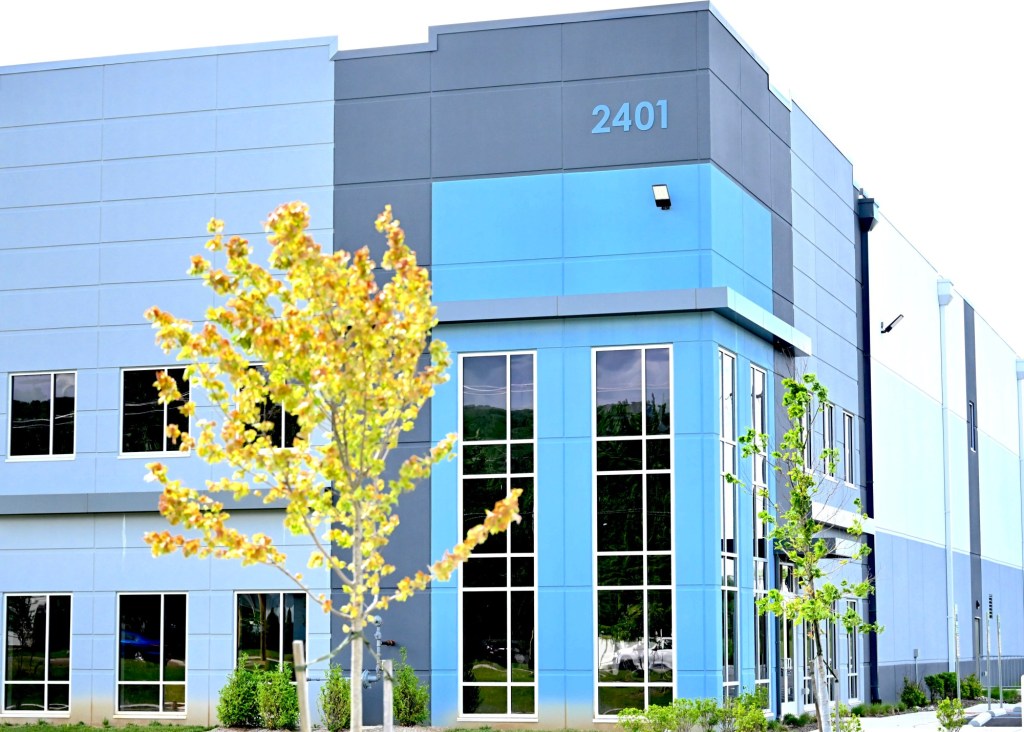
Dozens of Allentown residents concerned about a proposed data center on Emmaus Avenue turned a virtual meeting of the Allentown Environmental Advisory Council on Monday into what council Chair Kyle Ropski said was the most populated meeting in at least a decade.
City staff currently are reviewing plans for a data center, which would be constructed in an existing 224,000-square-foot warehouse on the site at 2401 Emmaus Avenue, with a 23,342-square-foot extension to aid in its conversion.
The proposal has drawn concerns from community members due to its placement near several houses and businesses.
Mark Miller, who sits on Camelot for Children’s board of directors, expressed during Monday’s meeting that the close proximity to the nonprofit would cause increased health risks for the children that Camelot for Children helps support, who are affected by chronic and terminal illnesses.
The advisory council will submit a letter to Allentown’s Director of Planning & Zoning Jennifer Gomez with recommendations on further actions to better determine the environmental and community impacts of the data center. The letter is to be included in deliberations during a June 9 meeting of the city planning commission to discuss the data center proposal.
The letter’s contents, however, did not satisfy many in attendance who believed it made the EAC sound in favor of the Emmaus Avenue proposal. They called for stronger language to be added to emphasize the need to understand how the data center will impact the community.
Ropski said the EAC’s role as an advisory board meant they could only offer recommendations. Allentown City Council is set to discuss an ordinance Wednesday that would regulate data centers in the city, but the ordinance, if passed, would not apply retroactively to the Emmaus Avenue proposal.
“We would be recommending that they do this, but they’re not necessarily required to do this because they submitted the application prior to the proposed ordinance amendments,” Ropski said.
Environmental Advisory Council Co-Chair Tinku Khanwalkar said she was concerned that stronger language would cause the Allentown City Council to once again stop seeking the EAC’s input.
“I have been with the EAC for about 15 years now [and] I’ve lived through times when we became more of an advocacy group,” Khanwalkar said. “It was not a good situation where the city stopped consulting with us because they felt that we were out there trying not to provide advice on how to do things right but just trying to fight the city.”
Val Weisler, a member of Lehigh Valley Stands Up, said she felt adding stronger language would prevent the council’s recommendations from being more easily ignored by the proposal’s developers.
“I do think that the softness of your letter, particularly praising data centers and deeming them as necessary in your general comment, is dangerous coming from the environmental council because that does offer a strong foundation for these companies and these billionaires and these representatives who are very money hungry to be able to beautifully trampoline off of and use your language and reference it for this proposal and for many proposals to come,” Weisler said, receiving virtual applause from those in attendance. “I think that if this is your recommendation, and this is our chance to be able to share our thoughts environmentally, as a community, then we need to be firm that data centers are not necessary,”
Weisler said the EAC should remove any language that could be interpreted as praising data centers and further specify what additional measures the council would like to have implemented. She also echoed another attendee’s comment to see Allentown implement a 180 pause on new data center proposals to give deliberations of the data center ordinance more time.
“We don’t have the information to be able to make these choices that are gonna impact generations to come,” Weisler said.
Julie Vitale, an Allentown resident, said she thought it important to have independent studies of the proposal be conducted by third parties who are vetted to ensure they have no ties to the project,, and their finding should be made public.
“I’m a data scientist myself and I can tell you you can make data say just about anything,” Vitale said. “When they say that this is safe or that is safe, we ought to have a chance to look at that and know that’s actually the case.”
Following additional public comments, EAC members moved to amend their letter prior to its submission to include stronger language.
Council members also moved to write into the letter comments they agreed should be included immediately into the draft, such as concerns about pollution from fire suppression systems and emphasizing the installation of more environmentally friendly emergency power generators. The EAC also promised to submit all additional comments with the letter in an accompanying document.