
Editor’s note: Pennsylvania and New Jersey have played a key role in the nation’s 250-year history. While most are familiar with the events that happened in Philadelphia, our region also played a pivotal role in the development of the fledgling nation. In honor of the country’s 250th anniversary celebration, we will feature some of the places, people and events in the region that helped shape America’s history.
The signing of the Declaration of Independence is associated with names such as John Hancock, Thomas Jefferson and John Adams, whose contributions to the American Revolution often cause others among the declaration’s 56 signatures to remain largely overlooked.
One such signature stands out due to its connections to the Lehigh Valley: that of George Taylor, whose status as a Founding Father helps to bring the significance of the declaration and the 250th anniversary of its signing on July 4 much closer to home.
Who was George Taylor?
Taylor’s origins remain a mystery even today, with the general consensus believing he was born in 1716 in Ireland before immigrating to the New World 20 years later as an indentured servant, a common way for people to come to America.
While serving the owners of the Anna Nutt and Co. Iron Works in Warwick, Chester County, Taylor worked in a number of positions, from a furnace filler to clerk and bookkeeper of Samuel Savage, the iron works’ firm manager and partial owner, due to Taylor being able to read and write.
In the decade following Savage’s death in 1741, Taylor would go on to marry Savage’s wife and run Anna Nutt and Co.’s forges until his resignation in 1752, when his stepson took over.
He moved to Durham Township in Bucks County in 1754, where he leased iron works that were later used to produce cannon shot for colonial militias fighting in the French and Indian War.
Taylor also began his forays into public life around this time, becoming regularly involved in the Provincial Assembly from 1764 to 1769 — a role he would continue afterward over irregular intervals — and helped to build Northampton County’s first courthouse, which he would preside over as justice of the peace until 1772.
In 1767, Taylor began work on a country home in Catasauqua, which was designated a national historic landmark in 1971.

Rick Kintzel/The Morning Call
People celebrate the Fourth of July outside in the sunshine Sunday at the George Taylor House in Catasauqua.

Actors from the Bachmann Group raise the American flag during a reading of the Declaration of Independence on Friday, July 4, 2025, at the George Taylor House in Catasauqua. Taylor was a signer of the declaration. (Oliver Lois Economidis/The Morning Call)
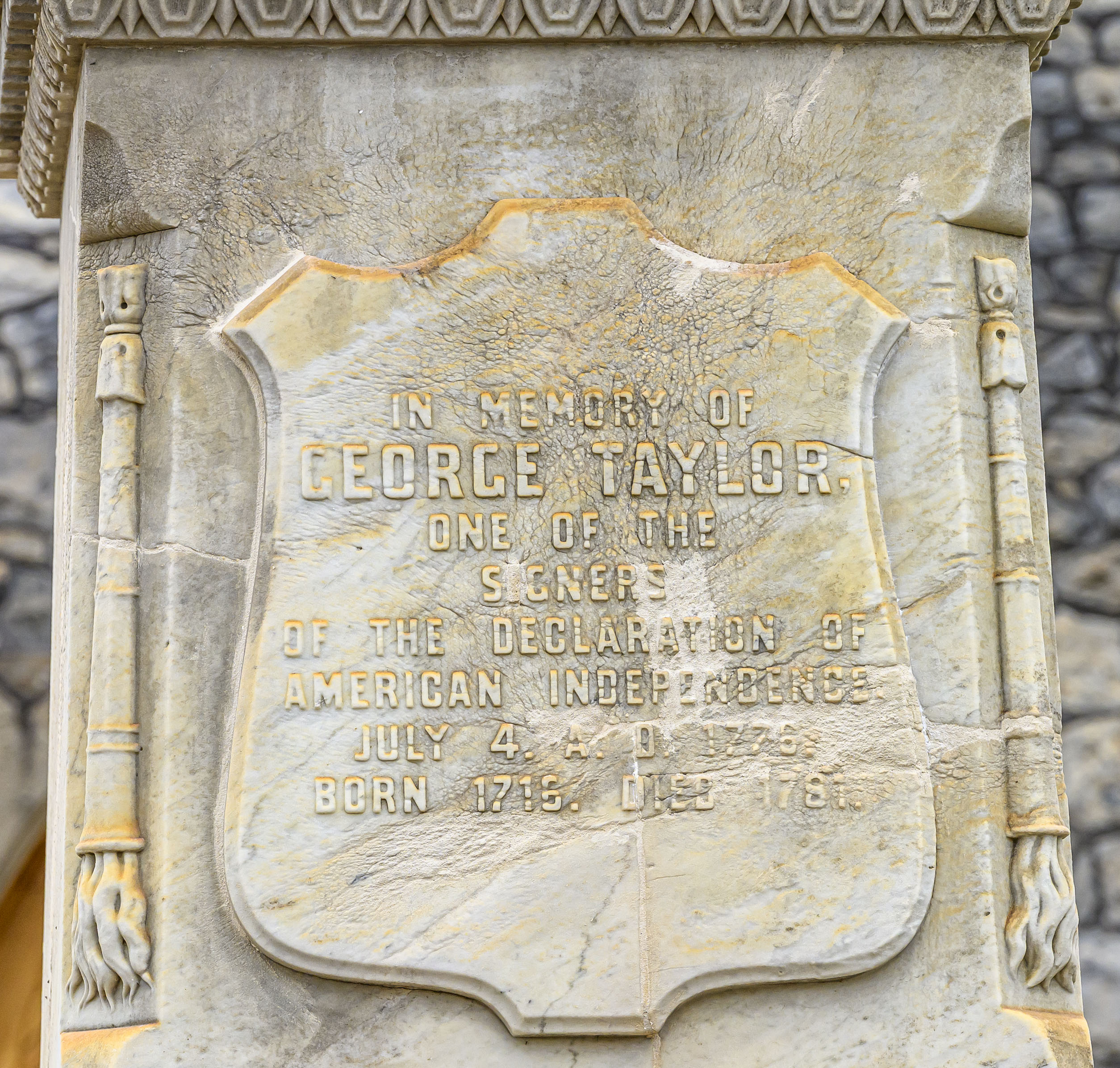
Details of the George Taylor monument are depicted Tuesday, Nov. 11, 2025, during a rededication ceremony after recent conservation efforts at the Easton Cemetery in the city. Taylor’s monument was originally dedicated in 1855 to honor the Declaration of Independence signer. It is believed to be the first publicly-funded monument to a signer. The monument is over 20 feet tall, made of imported Italian marble and was carved by the H. S. Tarr company in Philadelphia in 1855 at a cost of $2,500. (April Gamiz/The Morning Call)

People gather Tuesday, Nov. 11, 2025, during a rededication ceremony for George Taylor’s monument to mark recent conservation efforts at the Easton Cemetery in the city. Taylor’s monument was originally dedicated in 1855 to honor the Declaration of Independence signer. It is believed to be the first publicly-funded monument to a signer. The monument is over 20 feet tall, made of imported Italian marble and was carved by the H. S. Tarr company in Philadelphia in 1855 at a cost of $2,500.
People gather Tuesday, Nov. 11, 2025, during a rededication ceremony for George Taylor’s monument after recent conservation efforts at the Easton Cemetery in the city. Taylor’s monument was originally dedicated in 1855 to honor the Declaration of Independence signer. It is believed to be the first publicly-funded monument to a signer. The monument is over 20 feet tall, made of imported Italian marble and was carved by the H. S. Tarr company in Philadelphia in 1855 at a cost of $2,500.
(April Gamiz/The Morning Call)
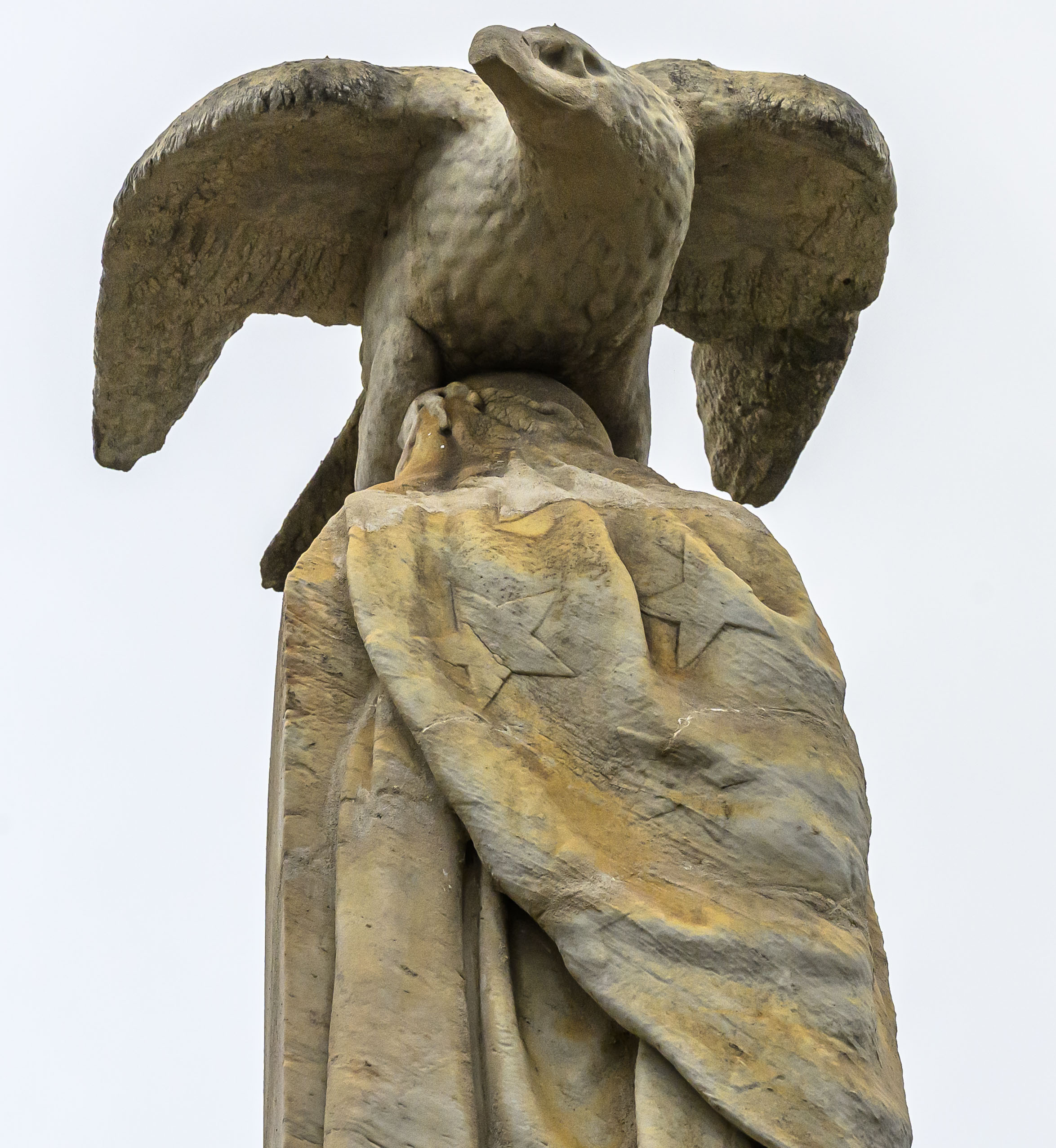
Details of the George Taylor monument are depicted Tuesday, Nov. 11, 2025, during a rededication ceremony after recent conservation efforts at the Easton Cemetery in the city. Taylor’s monument was originally dedicated in 1855 to honor the Declaration of Independence signer. It is believed to be the first publicly-funded monument to a signer. The monument is over 20 feet tall, made of imported Italian marble and was carved by the H. S. Tarr company in Philadelphia in 1855 at a cost of $2,500. (April Gamiz/The Morning Call)
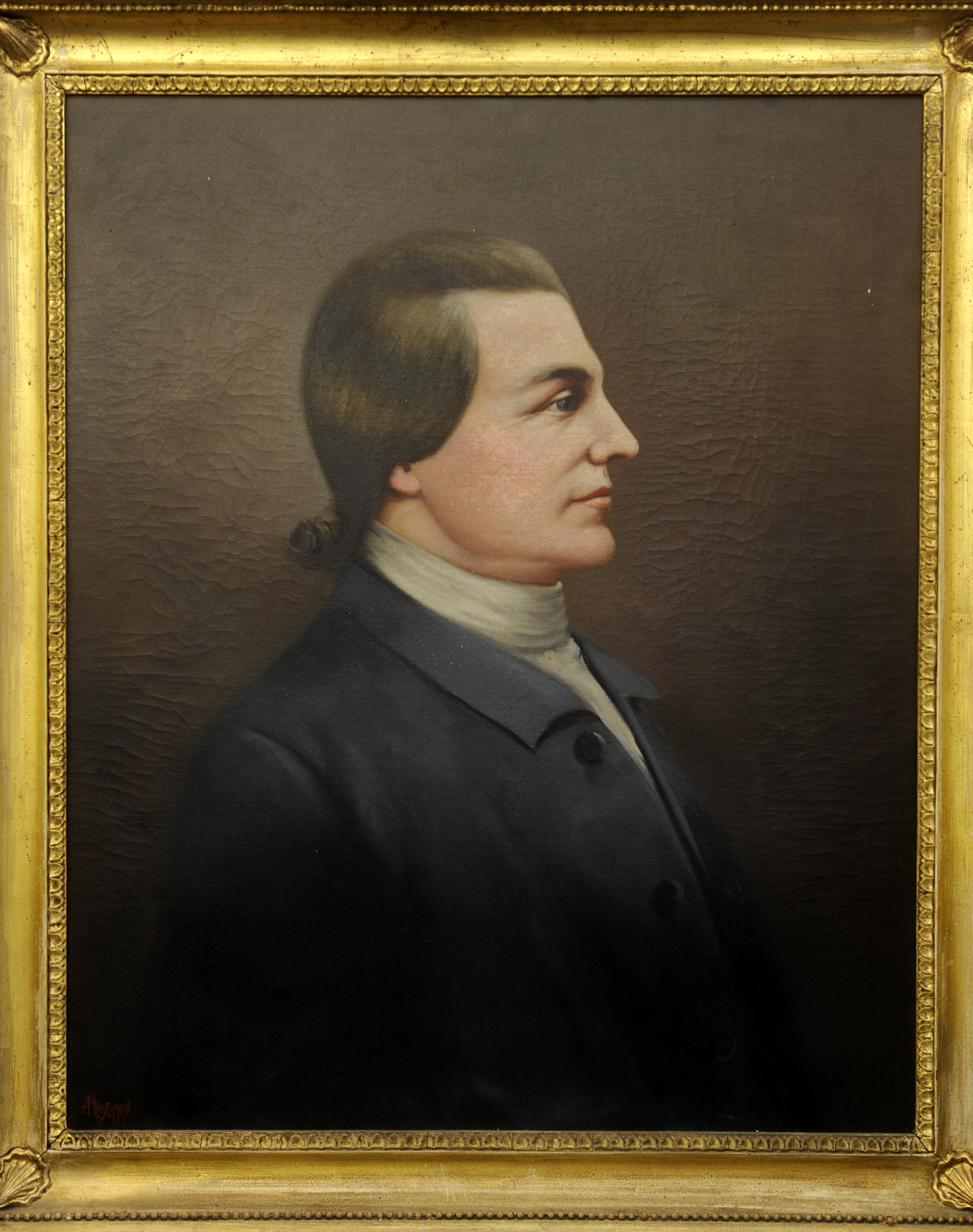
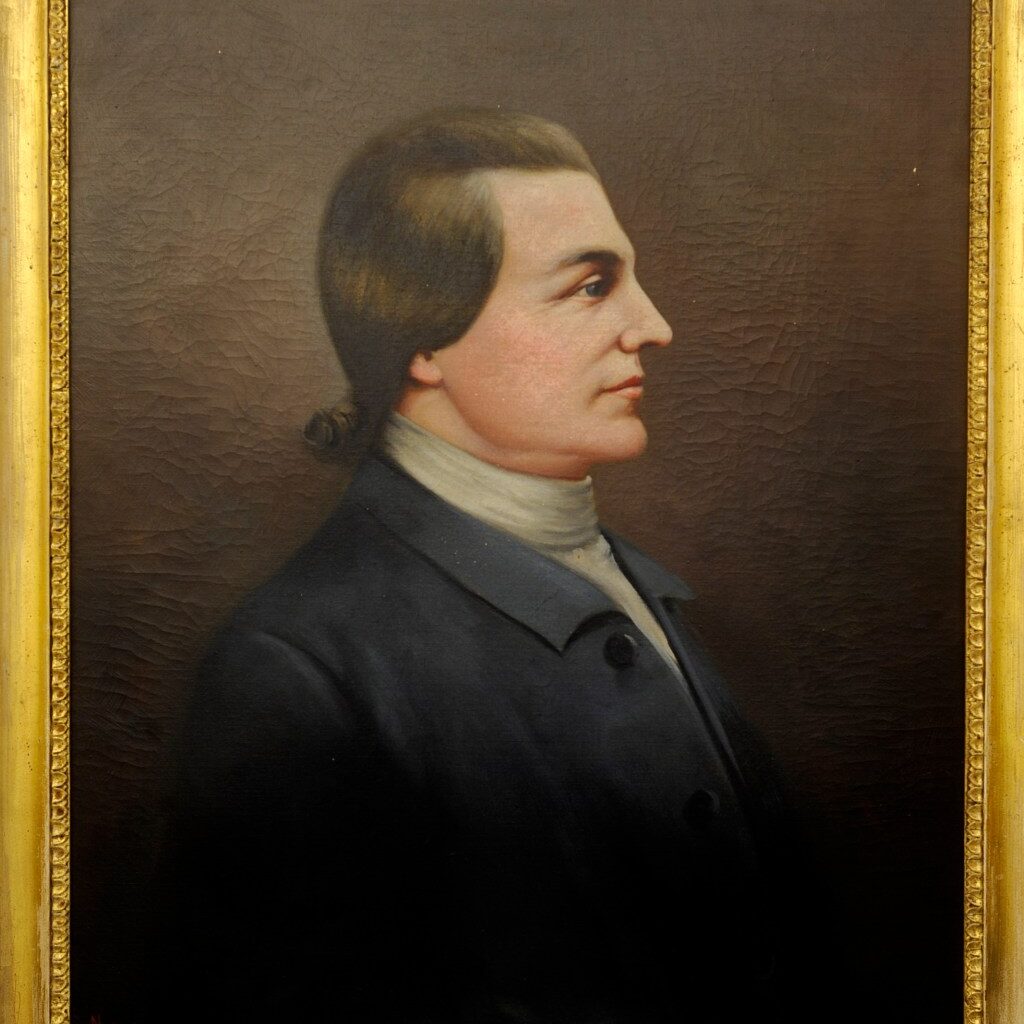
This portrait is thought to be a likeness of George Taylor, a signer of the Declaration of Independence who lived in the Lehigh Valley. (Courtesy Lehigh Valley Heritage Center)
Show Caption
Rick Kintzel/The Morning Call
1 of 6
People celebrate the Fourth of July outside in the sunshine Sunday at the George Taylor House in Catasauqua.
Expand
George Taylor as Founding Father
Taylor’s forays into public life ultimately led him to Independence Hall, when he and others were selected to be Pennsylvania’s representatives to the Continental Congress on Nov. 7, 1775.
Despite his signing of the Declaration of Independence and his Durham Iron Works’ providing cannon shot for the war effort, Taylor still had to fight to prevent his property and the Durham furnace from being raided by Continental forces and confiscated due to its ownership by Joseph Galloway, a British loyalist. It would not be until his lease on the properties expired in 1779 that Taylor would see an end to these struggles.
Taylor continued to participate in the Continental Congress and in Pennsylvania’s Supreme Executive Council. It was during his time in the former that Taylor, along with fellow Declaration signer George Walton of Georgia, negotiated a treaty with six Native American nations, which was not ratified by the Congress. In 1777, Taylor withdrew from public life due to illness.
After a brief stint running a New Jersey forge owned by Continental Army Col. Hugh Hughes, Taylor returned to Easton in 1780 before dying Feb. 23, 1781, in a house he rented from William Parsons, who helped survey the area.
With most of his previous properties, including his Catasauqua house, having been sold off before Taylor’s death, the executors of his will sold whatever remained to try to pay off his debts, save for what was instructed to be given to his friends and housekeeper.
George Taylor today
Today, people can visit Taylor’s grave at the Easton Cemetery, where he was reburied in 1870 after being moved from St. John’s Evangelical Lutheran Church.
A 20-foot tall pillar — believed to be the first publicly funded monument to a signer of the Declaration of Independence — was dedicated to Taylor on Nov. 20, 1855. The monument recently underwent a restoration, with a ceremony celebrating its completion Nov. 11, 2025.
“I think all things come from understanding history and understanding the truth and how things happened,” Easton Cemetery Executive Director Keith Lampman-Perlman said. “I think we owe it to, not just to ourselves, but to our children and the generations to come, to remember people like George Taylor and his significance in who we are today as a country and as individuals.”
Taylor’s Catasauqua house — which is owned by the borough and maintained by the George Taylor House Association — is part of the George Taylor Trail, consisting of historical sites throughout the Lehigh Valley with ties to Taylor. The association holds monthly tours of the house every third Saturday from April to October, among other events.
“[Taylor]’s the perfect American story from rags to riches and then, unfortunately, back to rags,” said Jason Kern, president of the George Taylor House Association. “It doesn’t matter where you come from. It doesn’t matter who you are. You can be what you want to be as long as you want to do it. It’s all up to you.”