
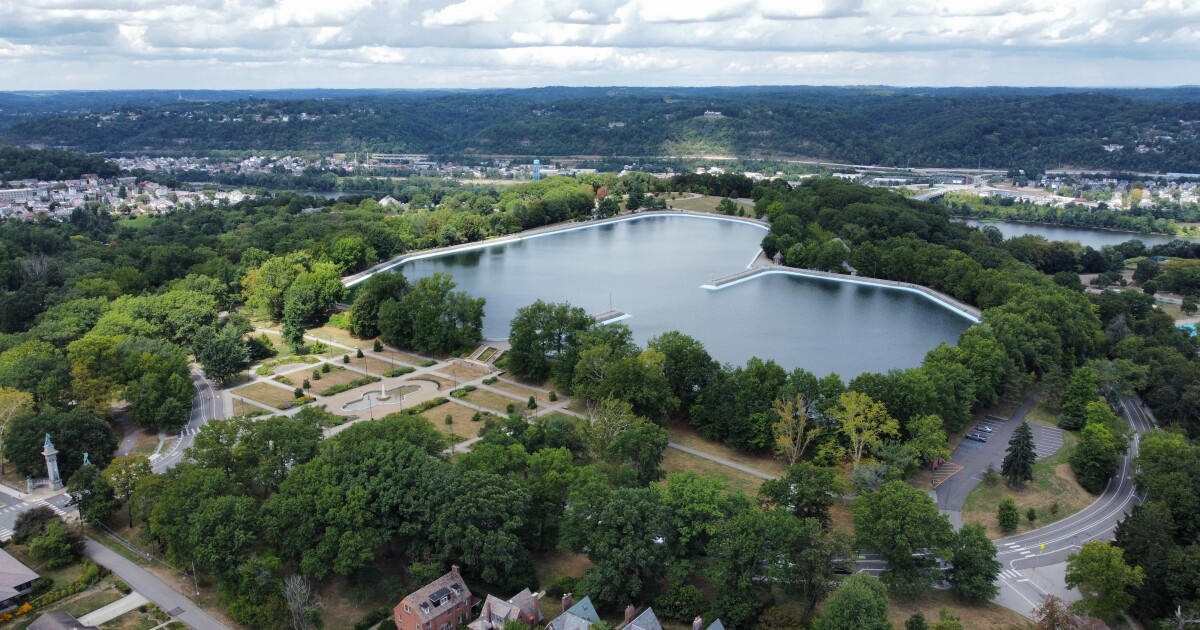
Pittsburgh ranks 16th in the country in a new report on city park access and investment.
The report from the Trust for Public Land said 93% of Pittsburghers live within a ten-minute walk of a park. Nationwide, only 57% of people in urban settings can say the same.
However, the amount of park space that’s within easy reach drops for low-income and minority groups in Pittsburgh.
The report found people in low-income neighborhoods have access to 29% less park space per person than average and 37% less than those in high-income areas.
Neighborhoods of color have 4% less than the city’s average neighborhood and 47% less than in predominantly white areas.
The group’s Pennsylvania director Elizabeth Class-Maldonado said cities don’t have to find new land to build parks; it can be a matter of reimagining under-used space, such as a schoolyard.
Because proximity to parks can raise property values, Class-Maldonado said cities should aim to protect residents from displacement if a park starts attracting new, higher-income people.
“We also want to make sure that the communities that are already there stay there and enjoy the benefit of creating these spaces for them,” Class-Maldonado said.
The trust found a recent slowdown in park investments across the country, after a surge of funding from federal COVID relief money.
“ Pittsburgh has stayed strong in a way that they are still above average on their investment in access, amenities, and equity,” Class-Maldonado said.
Over a three-year average, the trust found Pittsburgh parks got $185 per capita in investments, from government and private sources.
The trust argues public parks provide $3 in benefits for every $1 invested. Those returns can come in the form of higher property values and tax revenues, lower stormwater treatment costs, and lower healthcare costs from encouraging healthier lifestyles.
In a statement, the Pittsburgh Parks Conservancy agreed that parks give a city an advantage in multiple areas.
“Parks strengthen neighborhoods, improve public health, create connections to nature, and contribute to Pittsburgh’s economic vitality. High-quality parks help attract and retain residents, support tourism and recreation, increase nearby property values, and make Pittsburgh a more competitive and desirable place to live, work, and visit,” the conservancy said.
The nonprofit also noted the opportunities for improvement in the report.
“The ParkScore findings related to equity reinforce the importance of continuing to invest in parks and programming in communities that have historically had fewer resources and amenities,” the conservancy said.
In partnership with the city, the conservancy plans to invest millions of dollars in the coming years to improve neighborhood and community parks. It also noted it provides programming and education opportunities in parks city-wide and is working on boosting accessibility with programs like the Trackchair program in Frick Park.
Molly Onufer, spokesperson for Mayor Corey O’Connor, said the mayor campaigned on making meaningful investments in public parks.
“The O’Connor Administration is delivering on that commitment by moving money in the budget to advance more park projects, using the Parks Tax as intended for equitable investment in neighborhood parks across the city and securing additional funding from outside partners with a shared vision for parks access,” she said.