
Polish identity stemming from strong ties to the motherland and a lack of ethnic representation in the clergy led a group of Scranton faithful, including many immigrant coal miners, to splinter from the Roman Catholic Church in 1897.
Born was the Polish National Catholic Church. And after significant and unresolvable issues with Rome, the church now boasts roughly 30,000 parishioners across five regional dioceses with about 120 churches mostly across the United States.
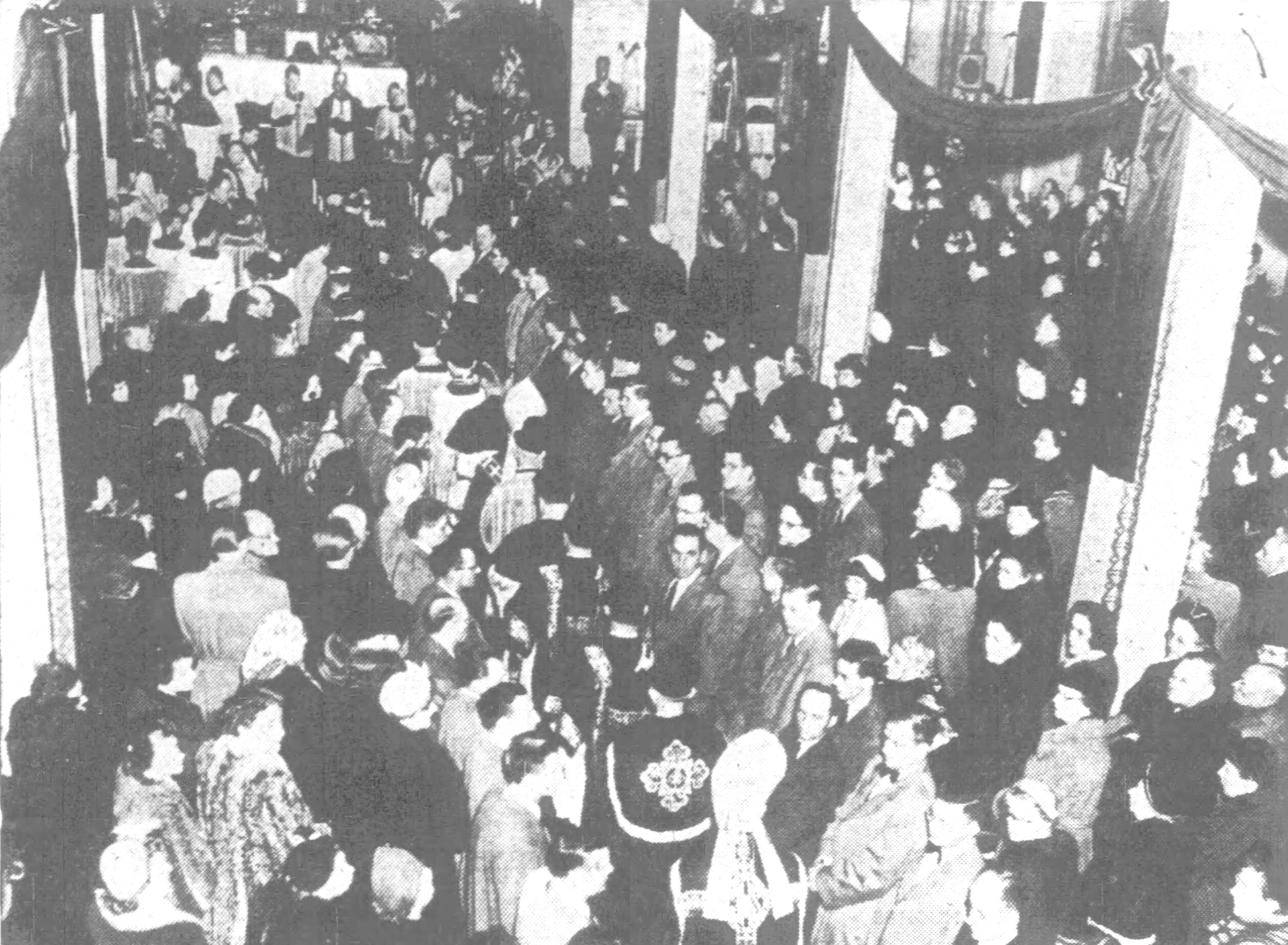
A procession of clergy led by officers of the mass, is pictured in the center aisle of St. Stanislaus Polish National Cathedral, East Locust St., heading toward main altar where a solemn Requie Mass was celebrated on Feb. 21, 1953, for Prime Bishop Francis Hodur, 86 year old founder of the church.
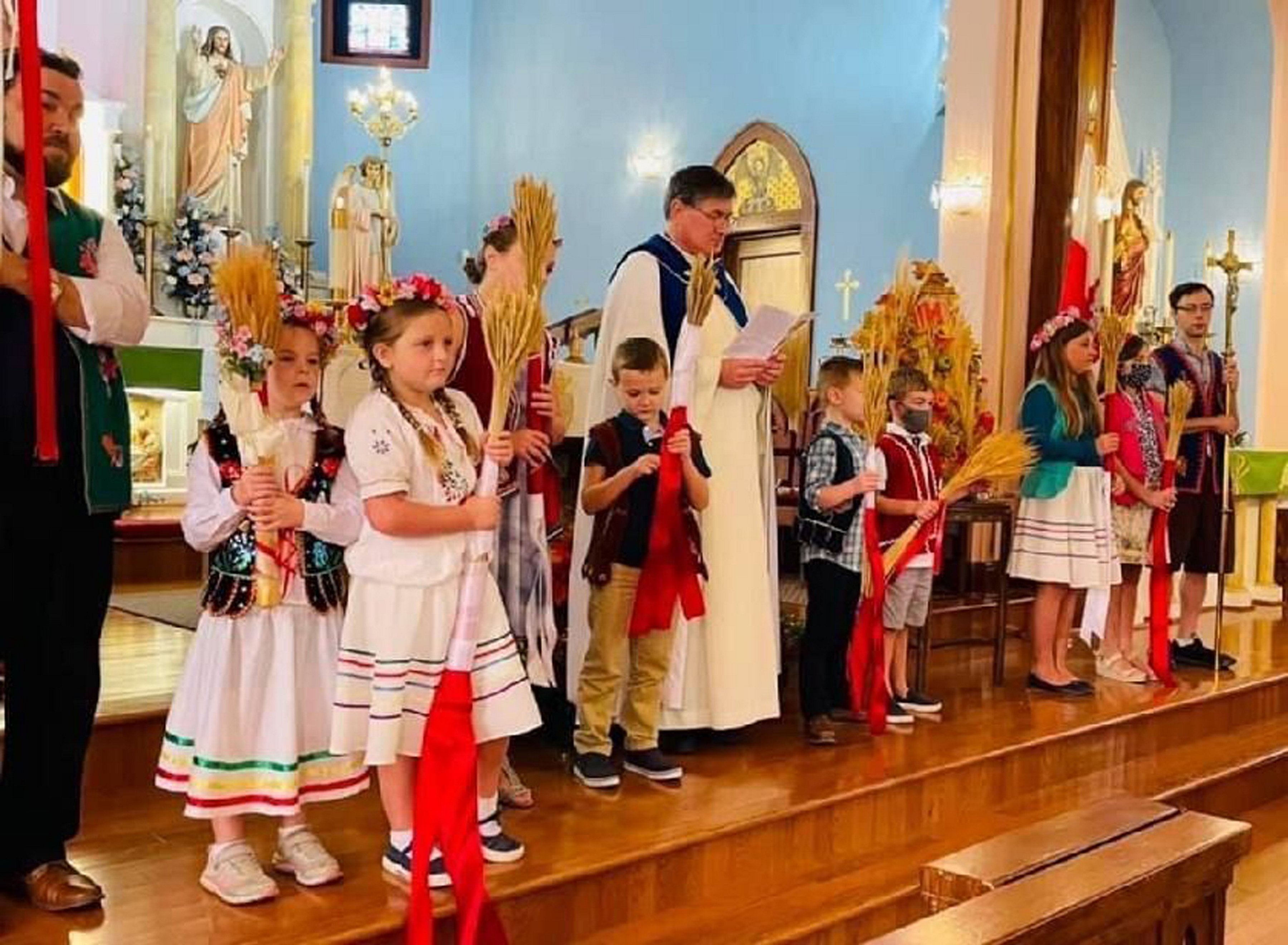
Holy Mother of Sorrows Polish National Catholic Church in Dupont planned its annual Dozynki Festival.
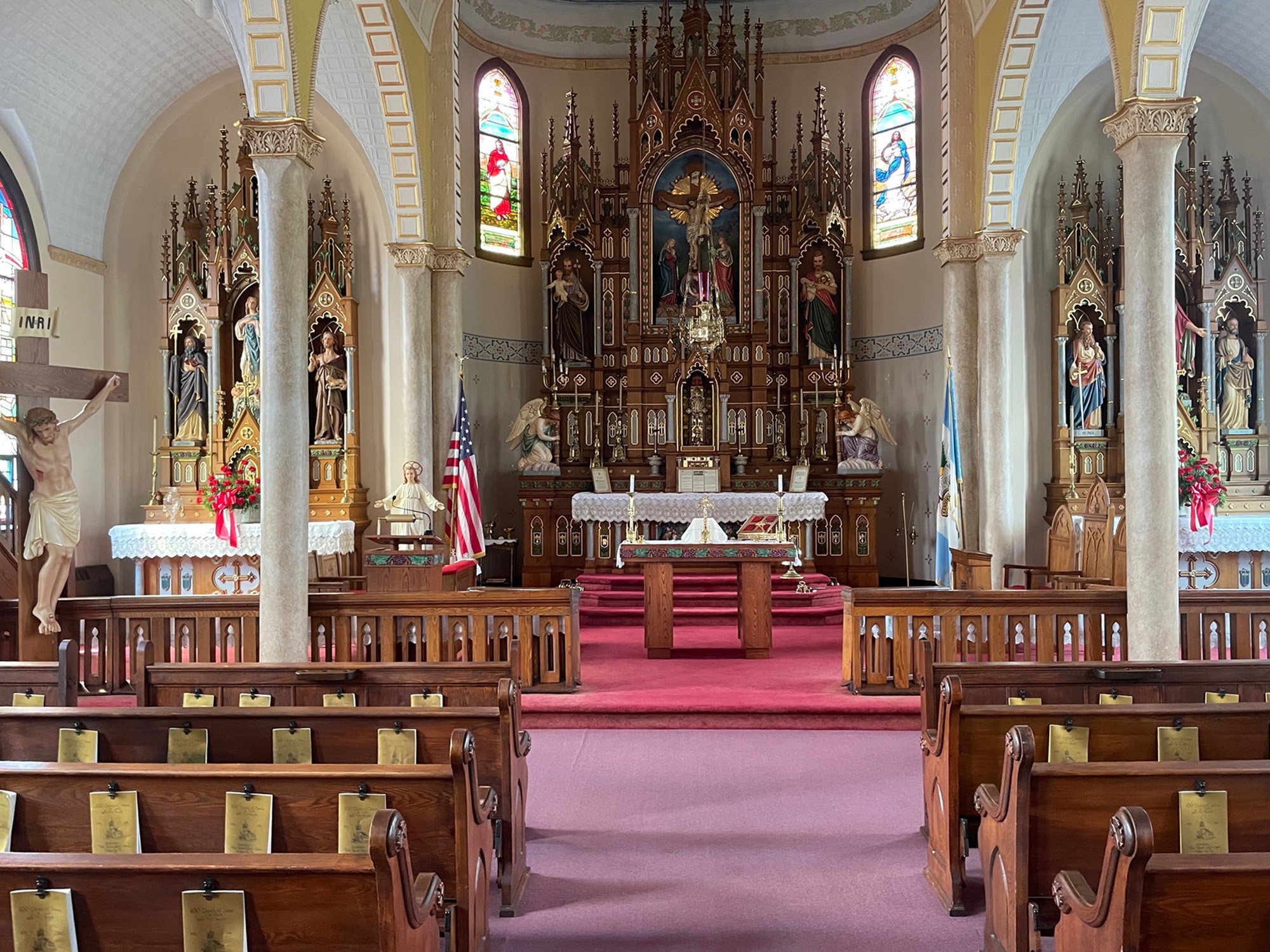
St. Adalbert’s Polish National Catholic Parish, Dickson City.
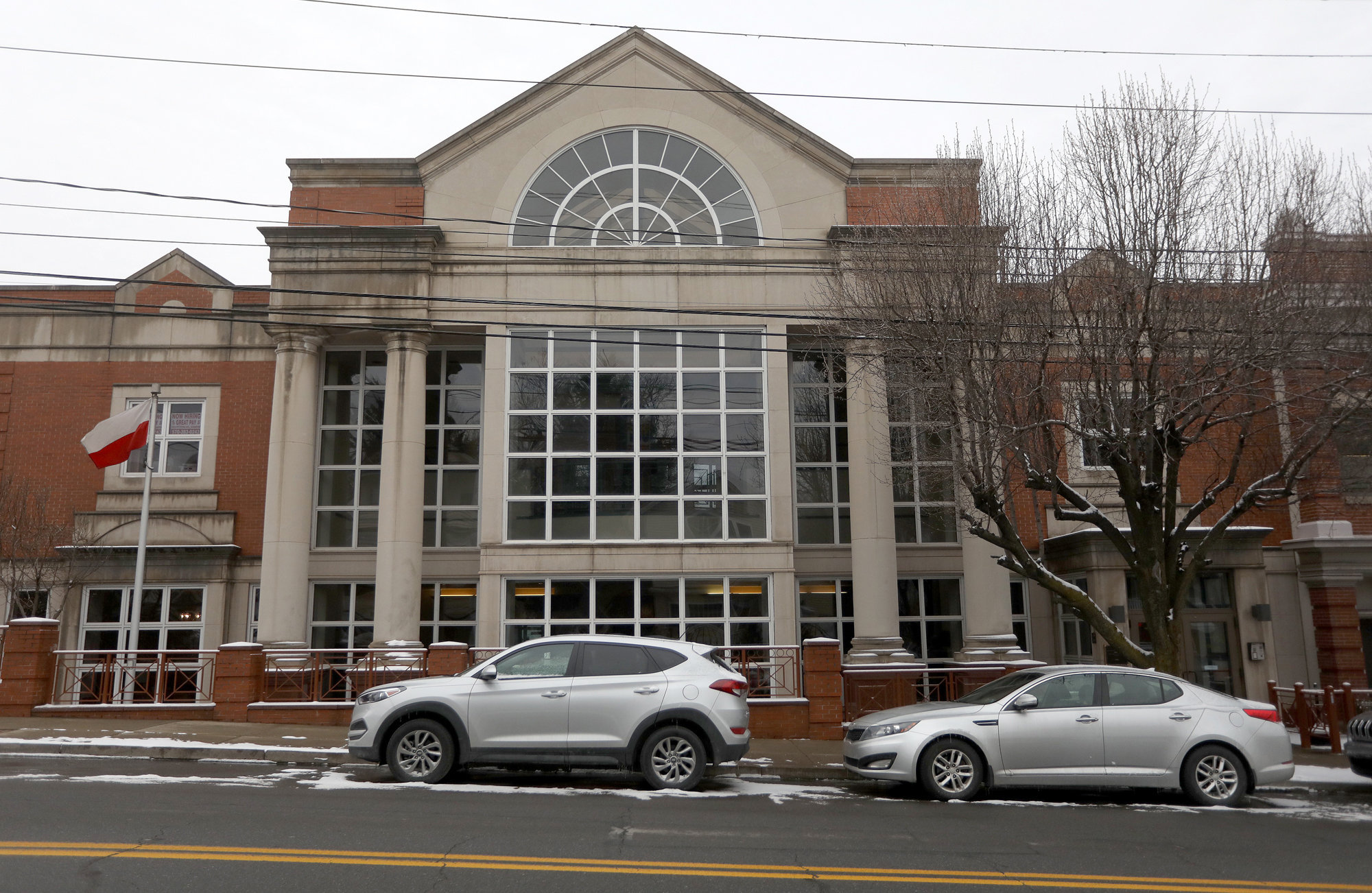
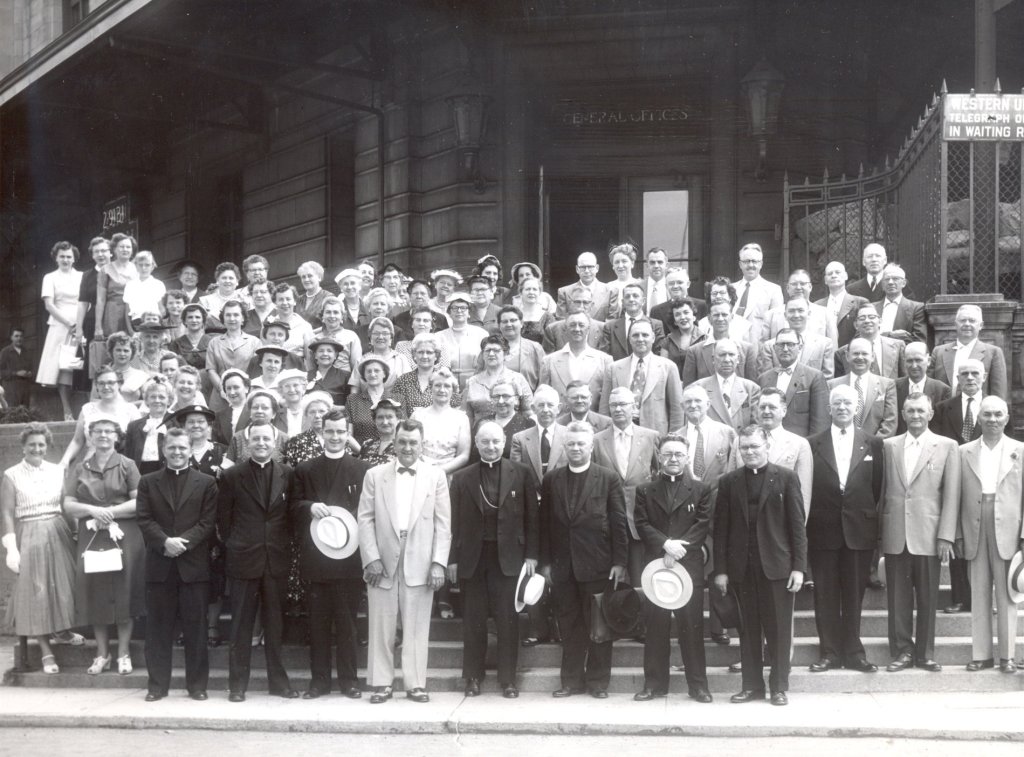
Polish National Catholic Church office complex, Pittston Avenue, Scranton.
Show Caption
1 of 4
A procession of clergy led by officers of the mass, is pictured in the center aisle of St. Stanislaus Polish National Cathedral, East Locust St., heading toward main altar where a solemn Requie Mass was celebrated on Feb. 21, 1953, for Prime Bishop Francis Hodur, 86 year old founder of the church.
Expand
National impact
Discontented with the Irish and German hierarchy regionally and a lack of Polish priests and bishops in the Catholic Church, the group, led by the Rev. Franciszek “Francis” Hodur, chartered its own vision of organization and faith.
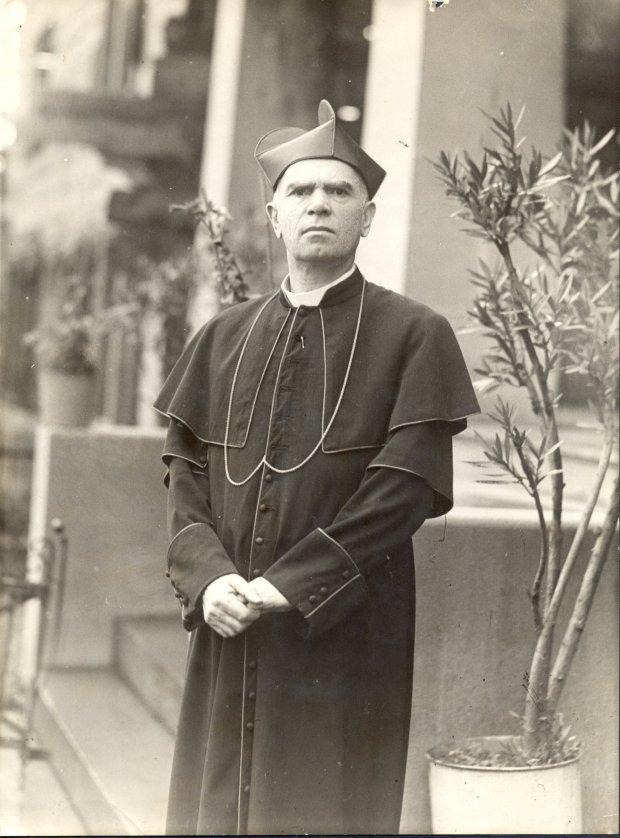 The committee that formed St. Stanislaus Church in Scranton asked the the Rev. Franciszek “Francis” Hodur to serve as pastor in 1897.
The uniquely American church was consecrated on March 21,1897, when Hodur celebrated the faith’s first Mass in the yet-to-be-finished church at 535 E. Locust St. in Scranton. Hodur would later be elected bishop at the church’s first synod that had 147 representatives from five states.
In addition to lack of Polish clergy, disputes with Rome centered on authority, language and property in predominantly Polish parishes. The Central Diocese, which includes NEPA, has 32 parishes including the faith’s headquarters at the St. Stanislaus Bishop & Martyr Cathedral in Scranton.
At the time, the church’s Latin books were translated into Polish, and Polish became the official church language. Other changes further distanced the church from Roman tradition including priests and bishops could marry, bishops would be nominated by delegates at a synod and approved by a prime bishop and Supreme Council, and an elected prime bishop, not the pope, would oversee church leaders.
Living legacy
The Roman Catholic church eventually named Polish priests and bishops, even a Polish pope in 1978, Karol Wojtyła, who took the name Pope John Paul II and was beatified a saint several years after his death in 2005. Meetings with that pontiff and PNCC officials eased much of any remaining animosity.
Old Forge native Bishop Anthony M. Rysz, who died in 2015 and served as the 4th Ordinary of the Central Diocese, credited John Paul II with fostering those talks.
That pope understood “the yearnings of Polish immigrants to remain faithful to the church, and at the same time, not deny the tie to their Polish past,” he said. “He would have understood Bishop Hodur’s concerns. I don’t think any other pope would.”
When a company with a direct link to Poland bought the former Technicolor plant in Olyphant, one of the many reasons the firm chose the location was the region’s Polish heritage and relationship to the Polish National Catholic Church. Canpack Group, headquartered in Kraków, Poland, and a subsidiary of the food manufacturing and packaging company Giorgi Global Holdings, built a massive plant here to make aluminum beverage cans.
“They just really felt this (area) was ideal,” said former state Sen. John Blake, when the announcement was made. “It met all their check boxes.”
Sidelight
After the funeral service of Hodur’s successor, Presiding Bishop Leon Grochowski in 1969, a church spokesperson announced: “Scranton will continue to be the headquarters for the church for a long time to come.”
Scranton proud, Hodur engineered the only major independent Catholic denomination born in the United States, proving that in NEPA, the fight for self-determination extended from the coal mines straight to the church pews.