
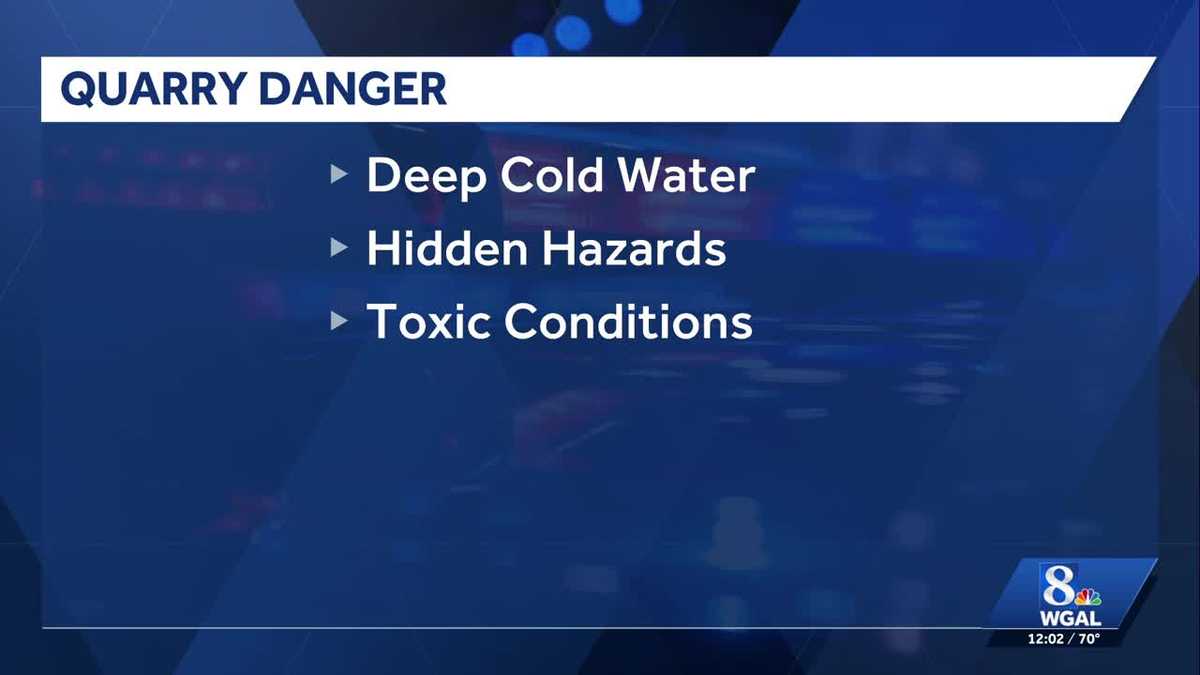
OF THE RALLY. LOWER ALLEN TOWNSHIP POLICE IN CUMBERLAND COUNTY ARE WARNING PEOPLE TO STAY OUT OF QUARRIES. POLICE HAVE BEEN CALLED TO THE QUARRIES NUMEROUS TIMES IN THE LAST TWO WEEKS. DANGERS INCLUDE DEEP WATER THAT STAYS NEAR FREEZING JUST BELOW THE SURFACE. HIDDEN HAZARDS LIKE MACHINERY AND SHARP ROCKS CAN BE IN THE QUARRIES AS WELL AS TOXIC WATER. QU
Swimming in quarries in Pennsylvania can be dangerous and, in many cases, illegal. Officials warn that quarry water may look calm and clear, but it can hide serious hazards. Deep water, steep drop-offs, submerged rocks, machinery, and extremely cold temperatures can quickly put swimmers at risk. Sudden changes in depth and limited visibility below the surface can also make rescue efforts difficult.Quarries are caused by the removal of sand, gravel, and other materials in order to extract minerals from the Earth’s surface. Many quarries fill up with water after mining operations cease. The water may look bright blue or green because of the minerals and potential algae in the water. According to Pennsylvania’s Department of Environmental Protection, there are hundreds of quarries in the commonwealth, many of which are privately owned. Therefore, entering them without permission may be considered trespassing. Some sites may also have posted warnings or restricted access because of safety concerns. According to the Mine Safety and Health Administration, over the past two decades, more than 200 people have died by drowning in quarries. Emergency responders and safety officials often urge people to choose designated swimming areas instead of quarries. Anyone looking for a place to cool off in Pennsylvania is encouraged to check local parks, recreation departments, and state-approved swimming areas for safer alternatives. For example, the Lititz Spring Pool, which our meteorologist Ryan Argenti visited (below) as the pool opened for the season.
LANCASTER COUNTY, Pa. —
Swimming in quarries in Pennsylvania can be dangerous and, in many cases, illegal.
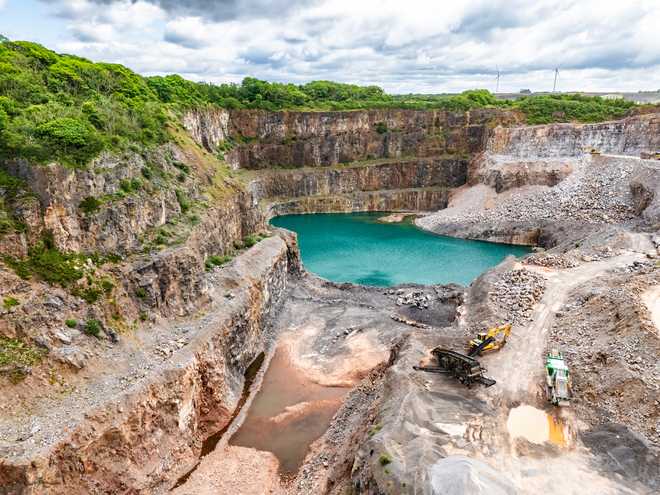
Officials warn that quarry water may look calm and clear, but it can hide serious hazards. Deep water, steep drop-offs, submerged rocks, machinery, and extremely cold temperatures can quickly put swimmers at risk. Sudden changes in depth and limited visibility below the surface can also make rescue efforts difficult.
Quarries are caused by the removal of sand, gravel, and other materials in order to extract minerals from the Earth’s surface. Many quarries fill up with water after mining operations cease. The water may look bright blue or green because of the minerals and potential algae in the water.
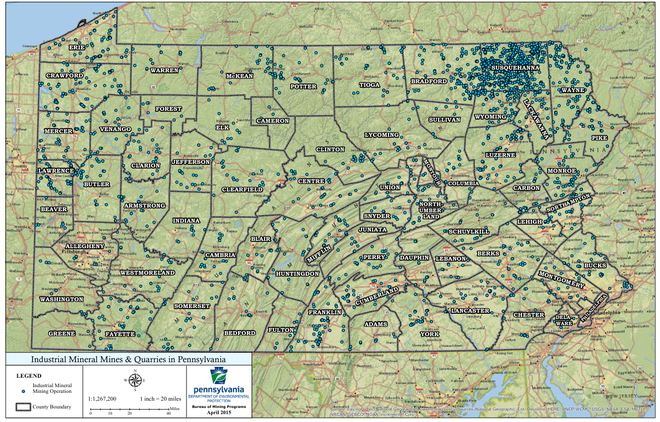
Pennsylvania Department of Environmental Protection
According to Pennsylvania’s Department of Environmental Protection, there are hundreds of quarries in the commonwealth, many of which are privately owned. Therefore, entering them without permission may be considered trespassing.
Some sites may also have posted warnings or restricted access because of safety concerns. According to the Mine Safety and Health Administration, over the past two decades, more than 200 people have died by drowning in quarries.
Emergency responders and safety officials often urge people to choose designated swimming areas instead of quarries. Anyone looking for a place to cool off in Pennsylvania is encouraged to check local parks, recreation departments, and state-approved swimming areas for safer alternatives. For example, the Lititz Spring Pool, which our meteorologist Ryan Argenti visited (below) as the pool opened for the season.